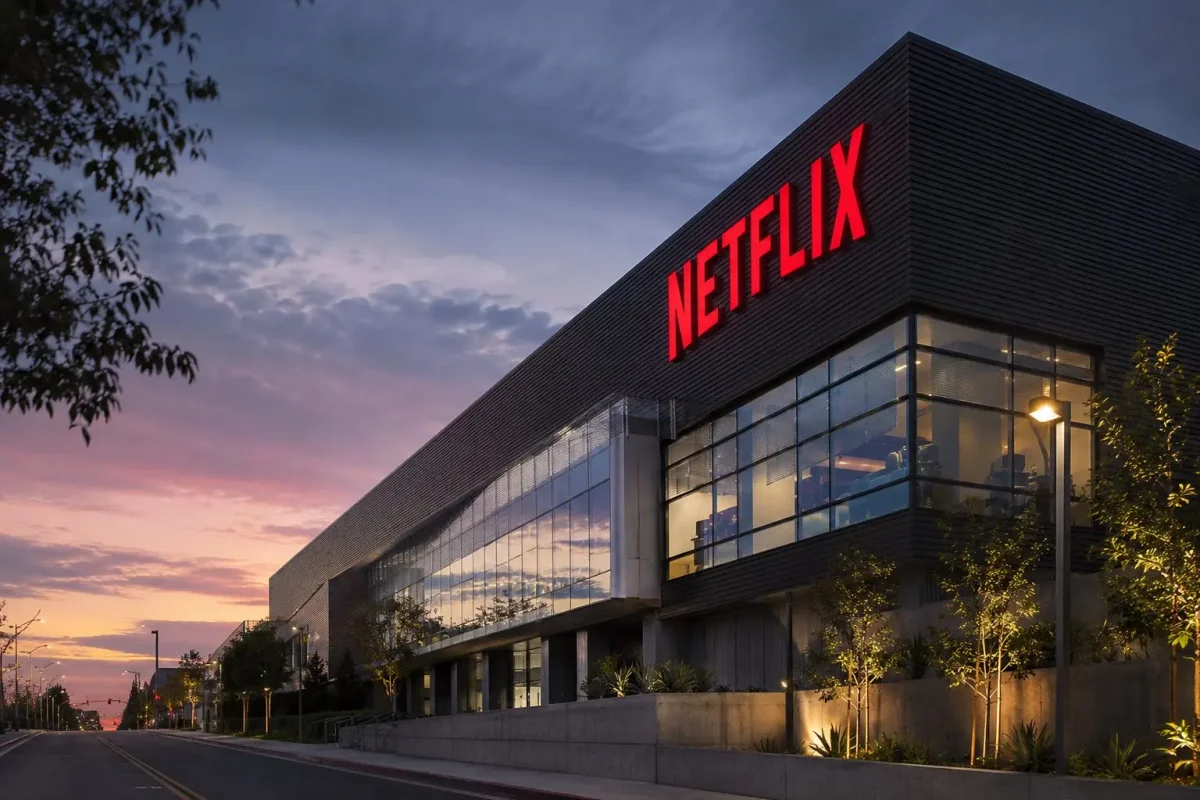
Netflix (NASDAQ: NFLX) saw a dramatic selloff in premarket trading Friday, with shares plunging 9.6% to $67.20, as the company's third-quarter outlook fell short of analyst expectations. The sharp decline erased approximately $30.1 billion in market capitalization, surpassing the $27.1 billion still available for share buybacks.
The streaming giant's revenue forecast for the third quarter came in at $12.86 billion, roughly $140 million or 1.1% below the consensus estimate of $13.00 billion compiled by LSEG. Earnings per share guidance of $0.82 missed by $0.02, or 2.4%. This marks the second consecutive quarter that Netflix's guidance has disappointed Wall Street, signaling a potential deceleration in growth momentum.
Despite the forecast miss, Netflix delivered a solid second quarter. Revenue rose 13.4% year-over-year to $12.56 billion, while diluted earnings per share climbed to $0.80 from $0.72 in the same period last year. However, the operating margin slipped to 33.4% from 34.1%, and free cash flow fell to $1.53 billion from $2.27 billion sequentially. The company maintained its full-year free cash flow target of approximately $12.5 billion and narrowed its revenue guidance to a range of $51.0 billion to $51.4 billion.
The market's reaction was severe, with the premarket decline signaling the stock's lowest level since the previous yearly low of $70.86. At least 11 analysts reduced their price targets following the release. The valuation premium remains significant, with Netflix trading at a forward price-to-earnings ratio of 19.92x, 47% higher than Walt Disney (NYSE: DIS) at 13.54x and roughly three times that of Comcast (NASDAQ: CMCSA) at 6.57x.
Analysts expressed caution about Netflix's growth trajectory. Jeffrey Wlodarczak of Pivotal Research noted a 'lack of excitement in the story,' while Paolo Pescatore of PP Foresight described it as 'a growth profile that is maturing naturally.' The company's third-quarter revenue growth forecast of 11.7% would represent its slowest pace since late 2023, underscoring concerns about a prolonged slowdown.
Netflix also announced it will reduce the frequency of its operating disclosures, moving to annual reporting of viewing-hours data starting in 2027. The company had already ended quarterly subscriber updates in 2025. Viewing hours for the first half of 2026 increased 2% to over 97 billion, though management cautioned that not all viewing hours are equally valuable. Live content accounts for slightly more than 5% of content costs and around 1% of total views, but has driven six of Netflix's top 10 days for new signups over the past five years.
Friday's cash session will be closely watched as the stock tests levels below the $70.86 yearly low. Investors will also monitor analyst estimates and U.S. advertising commitments due in the coming weeks. The company's ability to maintain its premium valuation will depend on accelerating advertising revenue and sustaining operating margins amid a maturing growth profile.