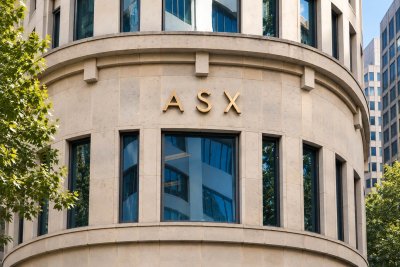
The S&P/ASX 200 index closed the week on a down note, slipping 0.50% to 8,796.7 on Friday, July 17, 2026. The benchmark ended the week 0.11% lower, with the materials sector exerting significant downward pressure. Despite gains in seven of the eleven sectors, the heavy weighting of materials—representing 25.6% of the index—was enough to pull the market into negative territory.
The materials sector fell 2.91%, contributing an estimated 0.75 percentage points to the index's decline. This was partially offset by a collective advance of approximately 0.28 percentage points from the other nine sectors. Financials, the largest sector with a 33.3% weight, edged down just 0.10%, limiting further losses. Utilities led the gainers, rising 1.77%, followed by energy (+1.66%) and communication services (+1.62%). Consumer staples, real estate, industrials, and discretionary stocks also posted gains.
Among the heavyweights, BHP Group (ASX: BHP) closed 2.71% lower at A$57.54, while Rio Tinto (ASX: RIO) fell 2.39% to A$160.95. Fortescue (ASX: FMG) finished flat at A$18.87. The weakness in mining stocks came despite a modest 0.1% uptick in iron ore prices to US$99.35 per tonne. However, COMEX copper futures dropped 1.8% during Asian trading, suggesting broader commodity headwinds beyond just iron ore.
BHP reported its highest-ever iron ore production from Western Australia, reaching 291.2 million tonnes on a 100% basis, with an average realised price of US$84.56 per wet tonne—up 3% year-on-year. CEO Brandon Craig noted the company “finished the year strongly.” However, the outlook for BHP's copper production is less optimistic, with projections of a potential 15.5% decline in fiscal 2027 due to lower ore grades at the Escondida mine.
Labour tensions at Port Hedland, one of the world's largest iron ore export hubs, added to the sector's uncertainty. A resounding 97.5% of electrical workers voted in favour of potential strikes, which could disrupt shipments worth approximately A$80 million per day from BHP. Negotiations are set to resume on July 21, with high-voltage talks scheduled for July 23.
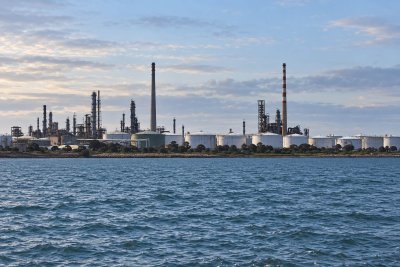
Energy stocks bucked the broader trend, supported by a sharp rise in oil prices. Brent and West Texas Intermediate crude surged nearly 12% over the week amid escalating U.S.-Iran tensions. While this boosted energy shares, higher diesel prices are increasing operating costs for miners, potentially squeezing margins further.
Looking ahead, the key domestic event next week is the release of June employment data on July 23 at 11:30 AEST. Westpac Banking Corp (ASX: WBC) forecasts an addition of 15,000 jobs, with the unemployment rate holding steady at 4.4%. A strong jobs report could benefit bank stocks but weigh on interest-rate-sensitive names, while a weaker print may shift the balance. Materials are likely to remain a dominant influence on the index regardless of the outcome.
Investors will also be monitoring ongoing geopolitical risks, including U.S.-Iran tensions that could further boost energy stocks and raise mining costs. Any de-escalation could trigger a pullback in oil prices. The combination of BHP labour negotiations and domestic employment data will make for a pivotal week ahead.