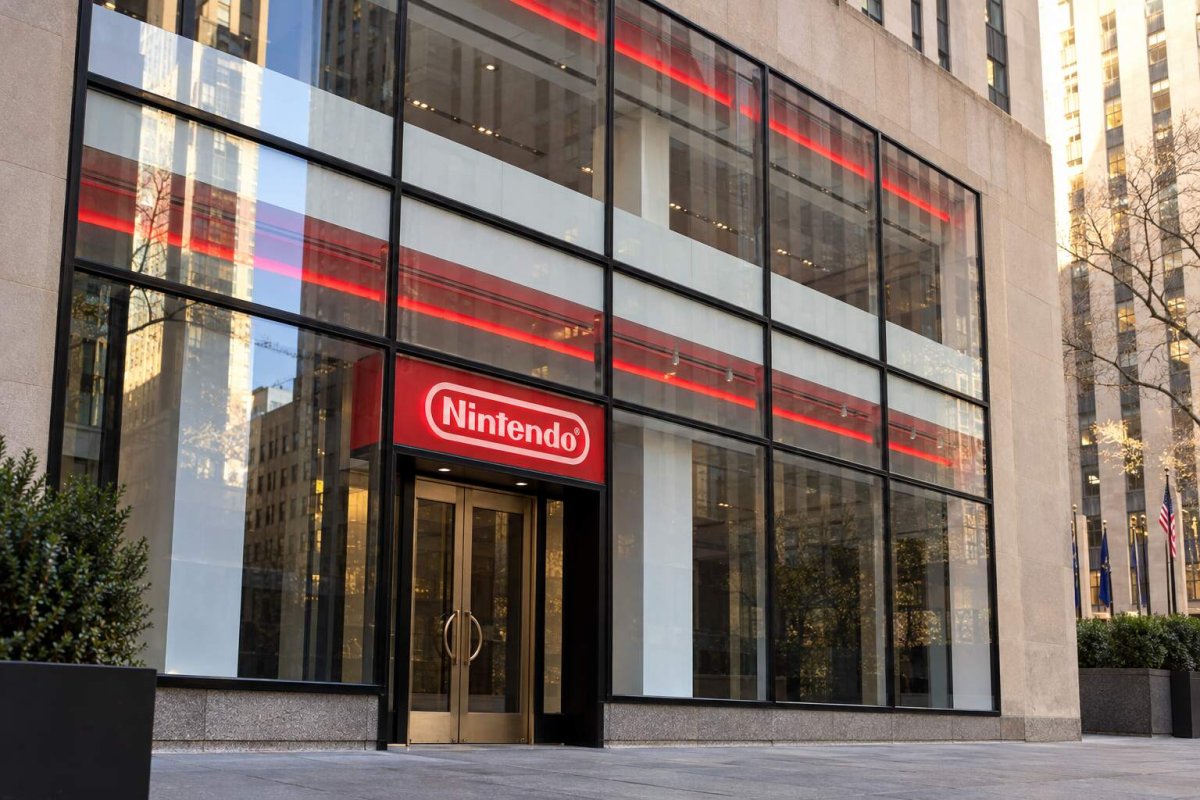
Nintendo has kicked off a two-week Customer Appreciation Sale across the United States, offering 30% discounts on a wide array of Nintendo Switch digital titles, bundles, and select physical merchandise. The promotion, which runs through September 26 on the Nintendo eShop, Nintendo Store, and at participating retailers, marks an unusual move for the gaming giant, typically known for maintaining premium pricing on its first-party software.
What makes this sale particularly noteworthy is its funding source. Nintendo has confirmed that tariff-related refunds helped finance the event, linking a consumer-facing promotion to a roughly $300 million windfall already reflected in the company's financial statements. This gives investors a rare, real-time lens into whether aggressive discounting can stimulate demand in Nintendo's increasingly digital software ecosystem.
The 0 Million Refund: Already Booked
In its August first-quarter investor presentation, Nintendo recorded approximately $300 million in refunds tied to tariffs imposed under the International Emergency Economic Powers Act. The company booked this amount as a reduction in cost of sales, noting that the tariffs were primarily absorbed by Nintendo rather than passed on to consumers. This one-time recovery contributed to a 150.5% year-over-year surge in first-quarter operating profit to ¥142.5 billion, even as net sales declined 9.5% to ¥517.8 billion.
While the refund has provided a significant boost to earnings, it is a non-recurring event. The current sale may recycle a portion of that benefit into consumer demand, but Nintendo has not disclosed any specific revenue targets, expected unit lift, or budget for the promotion. As such, investors should treat the sale as a test rather than a change to full-year guidance.
Digital Sales: The Key Metric to Watch
Digital sales reached ¥132.7 billion in the June quarter, up 90% year over year, representing 61.5% of dedicated video-game-platform software sales. This category includes downloadable versions of packaged games, download-only software, add-on content, and Nintendo Switch Online subscriptions. Digital distribution eliminates manufacturing, packaging, and retail logistics costs, making each sale more profitable on a per-unit basis—even with a 30% discount.
The critical question for investors is whether the increased volume from the sale will outweigh the price concession. Older catalogue titles sold to players who might not have purchased otherwise can still generate attractive incremental economics. The real test is whether new buyers remain engaged in paid software or online services beyond the promotional period.
Hardware Trends and Software Monetization
Recent sales data highlight the importance of software monetization. Nintendo sold 3.82 million Switch 2 consoles in the June quarter, down from 5.82 million in the launch-year comparison, while Switch 2 software unit sales rose 9.2% to 9.46 million. For the original Switch, software unit sales increased 38.6% to 33.81 million even as hardware sales slipped. This suggests that a software-focused promotion can effectively monetize the existing installed base without relying on new console purchases.
The scale of the sale, however, may be too small to significantly impact quarterly revenue. A two-week U.S.-only event with channel-specific availability might not move the needle against overall company performance. Moreover, discounting first-party games could potentially undermine the premium pricing strategy that Nintendo has long protected.
Investor Implications
Investors should separate the known refund from the unproven promotion. The refund has already lifted reported cost of sales, while the sale's value depends on incremental software sell-through and follow-on spending. Nintendo's next earnings report will provide indirect answers through digital-sales growth, software units per active console, and the gross-profit ratio.
Tokyo-listed Nintendo shares closed Friday at ¥8,093, up 1.3%, according to delayed market data. The sale went live over the weekend, leaving Monday's Tokyo session as the first opportunity for the stock to reflect any new investor reaction. As the promotion unfolds, market watchers will be keen to see if this unusual discounting strategy pays off in the long run.