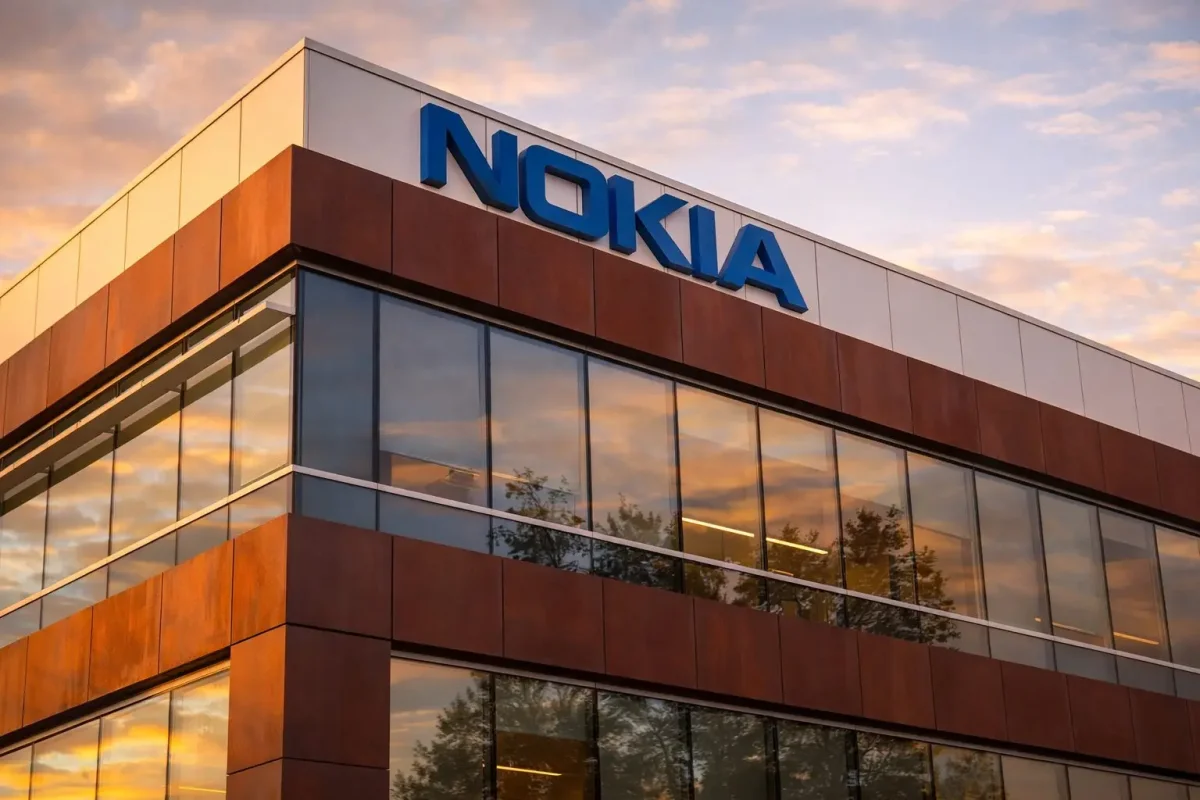
Shares of Nokia Oyj retreated during Tuesday's trading session in Helsinki, declining approximately 1.3% to €6.74 by early afternoon. This movement represented a partial reversal of the substantial 5.3% surge the stock experienced during the previous trading day. The volatility follows a flurry of strategic announcements made by the telecommunications equipment giant at the ongoing Mobile World Congress (MWC) in Barcelona, which runs from March 2 to March 5, 2026.
AI and Network Partnerships Take Center Stage
The company unveiled multiple collaborations aimed at embedding artificial intelligence deeper into network infrastructure. A significant development involves the expansion of its Network as Code program, which provides network functions to developers through application programming interfaces (APIs). These software "hooks" allow applications to request services like identity verification directly from the network. Nokia highlighted its ongoing work with Google Cloud to connect these APIs with what it terms "agentic" AI—systems capable of autonomously executing actions within the network.
Shkumbin Hamiti, a Nokia executive, characterized these partnerships as "a major step" in transforming how software developers interact with and leverage network capabilities. Separately, Google Cloud outlined its ambition to move beyond simple API calls by deploying AI agents, powered by its Gemini models and specialized tools, to actively monitor and optimize network segments. This initiative was underscored by commentary from industry figures, including Blocksport CEO Vladimir Liulka, who noted, "The network is no longer a bottleneck or a black box."
Expanding Global Footprint and Technology Integration
In a move to broaden its geographical and technological reach, Nokia also announced an expanded agreement with TIM Brasil. The partnership will extend their 5G network upgrade to an additional 14 Brazilian states, a project expected to cover roughly 42% of the country's population. Crucially, this expansion will integrate Nvidia's AI-RAN platform, designed to inject artificial intelligence directly into the radio access network—the critical link between mobile devices and cell towers.
Nokia's Chief Executive Officer, Justin Hotard, emphasized the strategic imperative, stating, "Networks must evolve to be truly AI-native," and pointed to the ways AI is already altering data traffic patterns. Furthermore, Nokia and Deutsche Telekom revealed they are scaling up their Innovation Cooperation Program to accelerate development in cloud-based and disaggregated RAN (Radio Access Network) technologies. This effort heavily relies on Open RAN principles, which seek to provide operators with the flexibility to mix and match hardware from various suppliers.
Pallavi Mahajan of Nokia described the shift toward AI-native RAN as "a fundamental shift," while Deutsche Telekom's Abdurazak Mudesir pointed to the overarching goal of achieving "multi-vendor flexibility at scale."
Market Context and Investor Scrutiny
The flurry of activity at MWC casts a fresh spotlight on Nokia's broader strategy to convert its ambitious AI and software investments into tangible revenue streams. The telecommunications industry landscape finds network operators persistently seeking compelling use cases to justify their substantial 5G capital expenditures, while equipment vendors like Nokia and its Swedish rival, Ericsson, aggressively pursue higher-margin, software-driven income sources.
However, industry observers note inherent risks. The high-profile partnerships announced at major trade shows like MWC do not always translate swiftly into substantial purchase orders. The large-scale deployment of Open RAN technology continues to face significant integration challenges for operators. Moreover, should telecommunications companies tighten their capital budgets, a considerable portion of the promised AI-driven growth could remain confined to pilot programs for longer than market optimists currently anticipate.
Upcoming Catalysts and Financial Calendar
Investor attention is now pivoting toward a series of imminent financial disclosures from Nokia. The company is scheduled to publish its full annual report for the 2025 fiscal year during the week of March 2. This will be followed by its Annual General Meeting on April 9. The next major earnings event, the release of first-quarter 2026 results, is set for April 23.
These forthcoming reports and management commentary will be scrutinized for any early indications of whether the strategic momentum generated at MWC is beginning to influence the company's near-term financial performance. The market will be keen to assess if these advanced AI and network automation initiatives are gaining commercial traction amidst a competitive and budget-conscious operator environment.