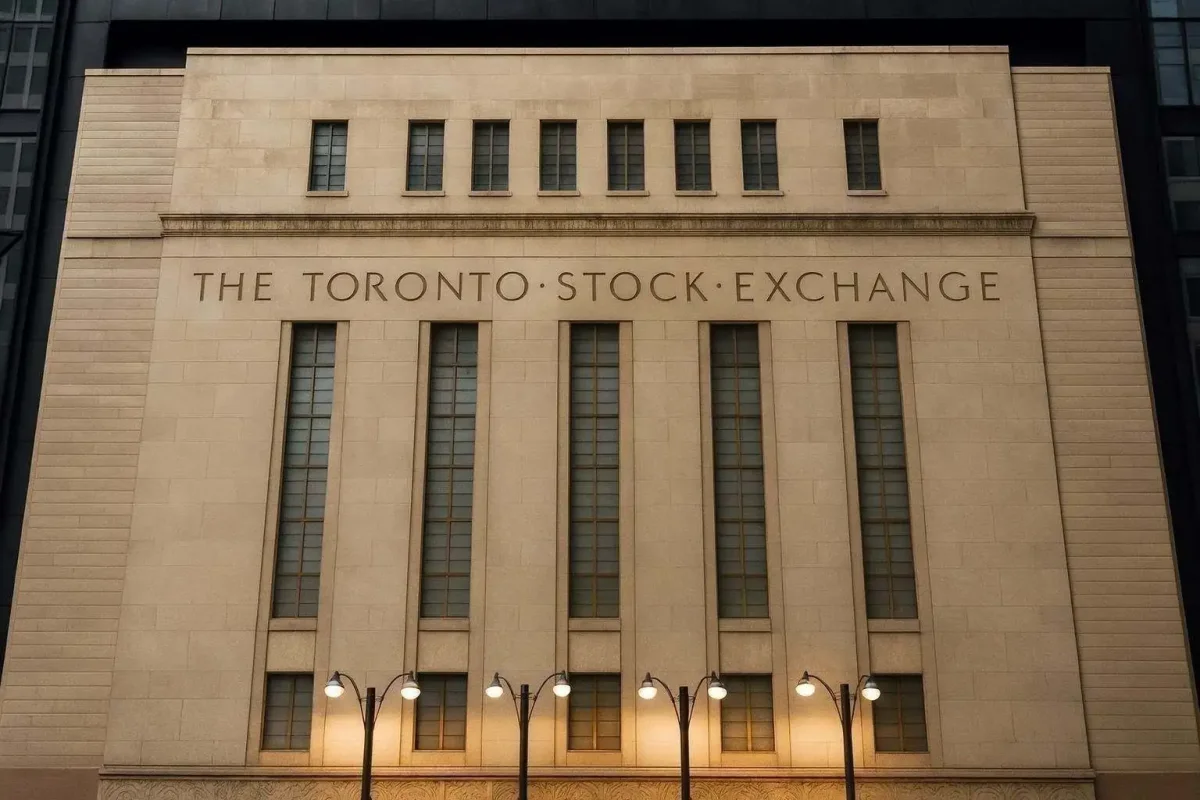
The S&P/TSX Composite Index edged higher on Friday, finishing the final trading day of May with a 0.7% advance to settle at 34,758.57. The gain, led by technology and gold mining stocks, helped the benchmark post a 2.4% monthly increase and brought it within striking distance of its all-time high. However, the rally unfolded against a backdrop of troubling economic data that has investors increasingly concerned about the health of Canada's economy.
Tech and Gold Lead, Energy Lags
Technology shares were the standout performers, surging 4.7% on the session. Celestica Inc. led the charge with a 10.2% jump, reflecting ongoing enthusiasm for artificial intelligence and related hardware plays. The materials sector, home to gold miners, rose 2.6% as bullion prices stabilized. In contrast, energy stocks fell 1.2%, dragged down by a decline in crude oil prices that weighed on the broader commodity complex.
GDP Disappoints, Raising Recession Fears
The positive market action came despite a disappointing reading on Canada's gross domestic product. Statistics Canada reported that the economy was flat in the first quarter compared to the fourth quarter of 2025, missing consensus forecasts. On an annualized basis, GDP contracted 0.1% in Q1, marking a second consecutive quarterly decline—a pattern that some economists define as a technical recession. "Very weak report from most angles," said Katherine Judge, senior economist at CIBC Capital Markets, commenting on the GDP figures.
Currency and Rate Expectations Shift
The soft economic numbers weighed on the Canadian dollar, which weakened against its U.S. counterpart following the GDP release. Amo Sahota, director at Klarity FX, noted that the disappointing data is "shifting rate expectations" for the Bank of Canada. Markets now see a higher probability of a rate cut at the central bank's next policy meeting on June 10, with the jobs report due on June 5 providing the next major clue on the economy's trajectory.
Bank Earnings Provide Some Support
Canada's major banks helped steady the broader market during the week, even if they were not the primary drivers of Friday's rally. Royal Bank of Canada, Toronto-Dominion Bank, and Canadian Imperial Bank of Commerce all reported quarterly profits that exceeded analyst estimates, supported by strong domestic banking and capital markets activity. TD's Chief Financial Officer Kelvin Tran described the consumer as "resilient," while RBC CEO Dave McKay acknowledged that uncertainty remains "elevated."
Global Tailwinds and Market Sentiment
Global factors also provided a lift. Wall Street's major indexes closed at new highs on Friday, buoyed by strong results from Dell Technologies and continued enthusiasm for AI-related stocks. Geopolitical developments, including hopes for a potential U.S.-Iran deal, influenced energy markets and added to the positive tone. These trends spilled over into Toronto, where tech and commodity-linked names benefited from the same themes—AI spending and geopolitical headlines.
Outlook: Jobs Data and Policy in Focus
Looking ahead, the Canadian economic calendar is relatively light until Friday, when the May employment report is released. The data will arrive simultaneously with the U.S. payrolls report, offering a comprehensive snapshot of labor market health on both sides of the border. A weak jobs number could reinforce expectations for a Bank of Canada rate cut, potentially boosting interest-rate-sensitive stocks. Conversely, a strong reading might reignite inflation concerns and test the sustainability of the recent rally.
Equity strategists remain cautiously optimistic about Canadian stocks. A Reuters poll of 25 strategists and portfolio managers forecasts the S&P/TSX Composite ending 2026 at 35,300, climbing to 38,000 by the end of 2027. Christine Tan of SLGI Asset Management cited "strong energy and commodity prices" as supportive, while Ben Jang of Nicola Wealth warned that "valuations have run ahead of fundamentals."