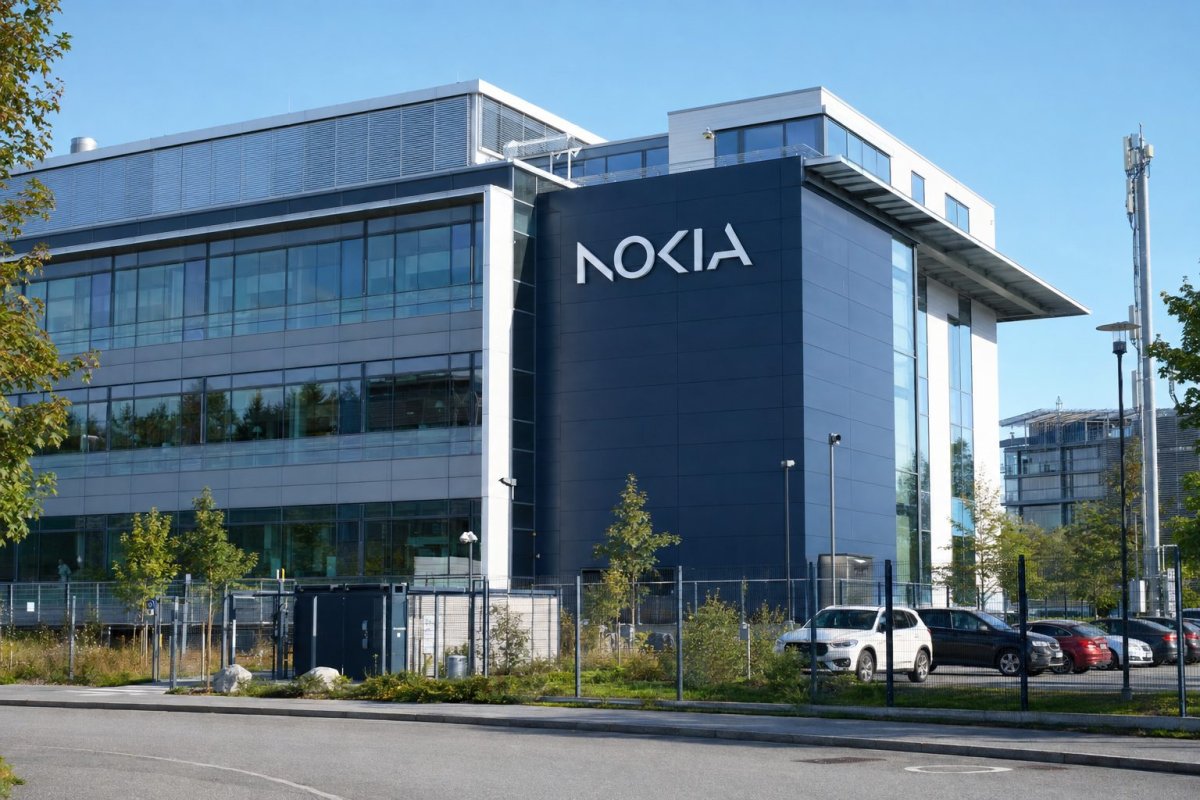
Nokia Oyj (NYSE: NOK) experienced a 3.59% decline in its American Depositary Receipts (ADRs) on Friday, closing at $10.21. The drop came despite a strong performance in the company's fastest-growing network division, as investors weighed the promising AI-driven demand against the substantial costs of an ongoing restructuring program. Trading volume reached 59.9 million shares, roughly two-thirds of the daily average, indicating active market participation.
The stock's decline marked a pause after three consecutive sessions of gains, with the ADR price retreating from recent highs. Despite the pullback, Nokia shares have surged approximately 57% year-to-date in 2026, reflecting growing optimism about the company's AI and cloud computing prospects. The current trading level still implies a potential upside of about 47%, based on the consensus analyst price target of $15.02, with eleven analysts maintaining a Buy rating.
Mixed Earnings Results Highlight Divergence
Nokia's second-quarter earnings presented a contrasting picture. Comparable operating profit rose 18% year-over-year to €434 million, signaling underlying operational strength. However, reported operating profit swung to a loss of €50 million, a sharp reversal from the +€147 million profit recorded in the same period last year. This discrepancy is primarily attributed to restructuring charges, which the company expects to total €800 million for the full year.
Net sales grew 8% reported to €4.82 billion, driven by robust demand in the company's network infrastructure segment. Sales in this division increased 12% to €2.04 billion, with the operating margin expanding to 8.1% from 6.4% a year earlier. Optical Networks posted a 20% revenue jump, while IP Networks rose 16%, underscoring the strength in core networking technologies.
AI and Cloud Momentum Accelerates
A standout highlight was the performance of Nokia's AI and cloud business, where sales more than doubled year-over-year, marking a 105% increase. This segment has become a primary growth driver, supported by a substantial order backlog. The company reported €2.8 billion in AI and cloud order intake during the quarter, with roughly half of these orders expected to convert into revenue within the next twelve months.
Chief Executive Justin Hotard noted that customers are placing longer-term orders due to persistent supply constraints in key optical components. While the backlog provides strong revenue visibility, supply remains the primary bottleneck, potentially limiting near-term growth acceleration. The company's net cash position stood at €2.78 billion, down 4% from the prior year, reflecting continued investment in restructuring and growth initiatives.
Restructuring Costs and Cash Flow Pressures
The financial transition is not without challenges. Nokia anticipates total restructuring charges of €800 million this year, with associated cash outflows projected between €700 million and €800 million. These costs are weighing on reported profitability and cash generation, prompting investors to scrutinize the balance between AI-driven growth and the expense of corporate reorganization.
Despite these headwinds, management maintained its operational forecast for the year. Comparable operating profit remains projected at €2.1 billion to €2.6 billion, though the updated range reflects discontinued-business reporting rather than improved business performance. Sales in the third quarter are expected to increase sequentially by 3% to 7%, with comparable operating profit anticipated to be largely stable. A more significant profit improvement is forecast for the fourth quarter, as restructuring benefits begin to materialize.
Valuation and Market Outlook
At current levels, Nokia's ADR trades at approximately 23.9 times forward earnings, a valuation that requires continued execution on its growth strategy. The stock's substantial year-to-date gain suggests that much of the positive news may already be priced in, and Friday's decline could reflect profit-taking after a strong run rather than a fundamental deterioration.
Investors will be watching Monday's U.S. market reopening to see if the ADR holds above Friday's low of $10.16. Key risks include potential shipment delays due to component shortages, higher cash usage from restructuring expenses, and the possibility that telecom customers may defer capital expenditures. Additionally, currency fluctuations and intense competition could pressure margins further.
As Nokia navigates this transition, the market's focus will remain on converting its substantial AI order book into recognized revenue while managing the costs of its restructuring program. The coming quarters will be critical in determining whether the company can deliver on its ambitious growth targets and justify its current valuation.