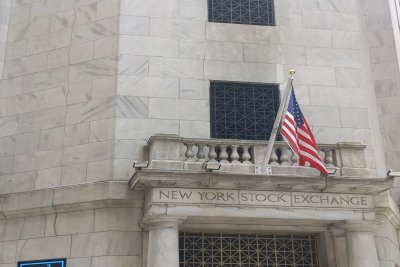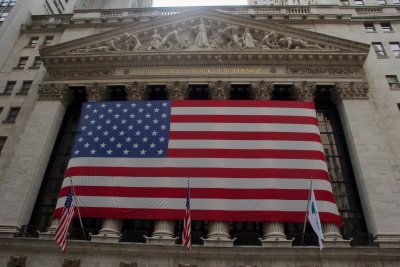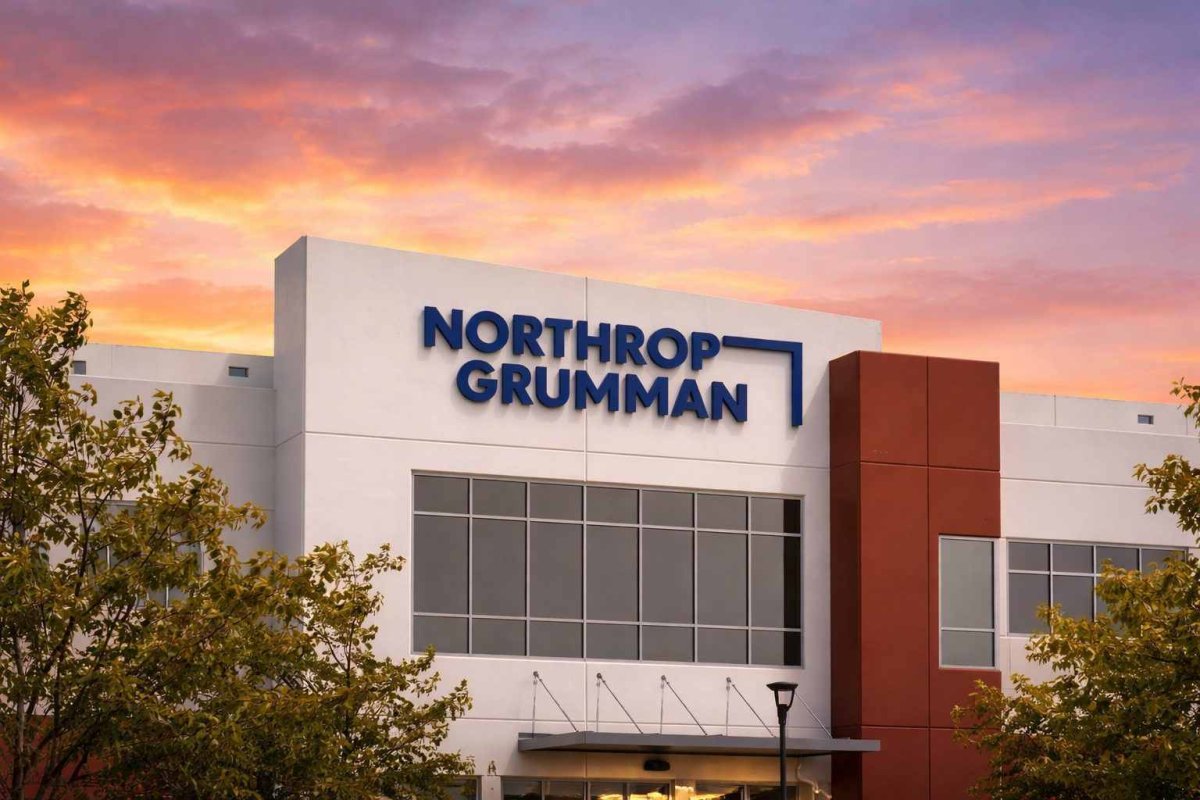
U.S. equity markets are set for a volatile reopening on Monday, March 2, as traders digest a significant escalation in Middle East tensions over the weekend. Defense contractor Northrop Grumman Corporation, which closed Friday's session at $724.38, up 1.9%, will be a primary focus for investors recalibrating geopolitical risk premiums.
Weekend Escalation Drives Risk Reassessment
Joint U.S. and Israeli military strikes against Iran late Friday triggered a direct response from Tehran, which reportedly launched missile attacks targeting Israel and Gulf states hosting American forces. The immediate closure of Wall Street through Saturday left investors unable to trade on these developments, setting the stage for a potentially sharp repricing of risk assets when cash equity trading resumes. The United Nations Security Council convened an emergency session Saturday afternoon, with the international community's response being closely monitored for its potential to either contain or further inflame the crisis.
Defense Sector in the Spotlight
The defense sector is expected to see heightened activity. The market's typical reaction to rising geopolitical tensions is to anticipate increased defense spending and future contract awards, even if the budgetary process means actual revenue recognition is delayed. Northrop Grumman, with its broad portfolio spanning aeronautics, missile defense systems, mission systems, and space technology, is particularly sensitive to such headlines. Peers including Lockheed Martin (LMT), RTX (RTX), and General Dynamics (GD) also posted gains on Friday, outperforming a slightly lower S&P 500.
Analyst Outlook and Near-Term Catalysts
Despite the weekend's events, the fundamental analyst outlook for Northrop Grumman remains largely unchanged in the near term. The consensus average 12-month price target sits at $724.39, virtually identical to Friday's closing price, with individual estimates ranging from approximately $587 to $815. The prevailing analyst consensus leans toward a Buy or Hold rating. The company's own guidance projects 2026 revenue between $43.5 billion and $44.0 billion. Investors also have a near-term corporate event to monitor: the board-approved quarterly dividend of $2.31 per share is scheduled for payout on March 11.
Broader Market Implications
The situation's ramifications extend far beyond the defense industry. Strategists note a broad repricing of geopolitical risk premia is underway. Christopher Wong, a currency strategist at OCBC in Singapore, stated, "The strike raises geopolitical risk premia as markets head into Monday’s open." Commodity markets are on high alert; Barclays energy analysts suggested Brent crude could test $100 per barrel if risks of supply disruption through critical chokepoints like the Strait of Hormuz are priced in. Gold and energy sector ETFs are also viewed as likely to experience volatility. The OPEC+ alliance was scheduled to meet Sunday to discuss potential output adjustments, providing an early indicator of how persistent the oil market's risk premium may be.
A Headline-Driven Trading Session Ahead
Monday's session is anticipated to be dominated by headline risk rather than fundamental corporate news. The immediate trajectory for defense stocks like Northrop Grumman hinges on whether the conflict shows signs of rapid de-escalation or further expansion. If tensions cool, the recent "defense bid" could quickly unwind. Conversely, any new threats to maritime security or energy infrastructure could amplify the rally. Northrop's share price is already testing the upper bounds of its recent trading range, with analyst targets offering little immediate upside, suggesting the stock's movement will be almost entirely dictated by geopolitical developments.
The interplay between oil prices, inflation expectations, and broader risk appetite will be crucial. A sustained spike in crude could reignite inflation concerns, potentially impacting the timing of monetary policy and weighing on growth-sensitive sectors. For now, traders are preparing for a session where traditional valuation metrics take a back seat to fast-moving news from the Middle East and the diplomatic corridors of the United Nations.