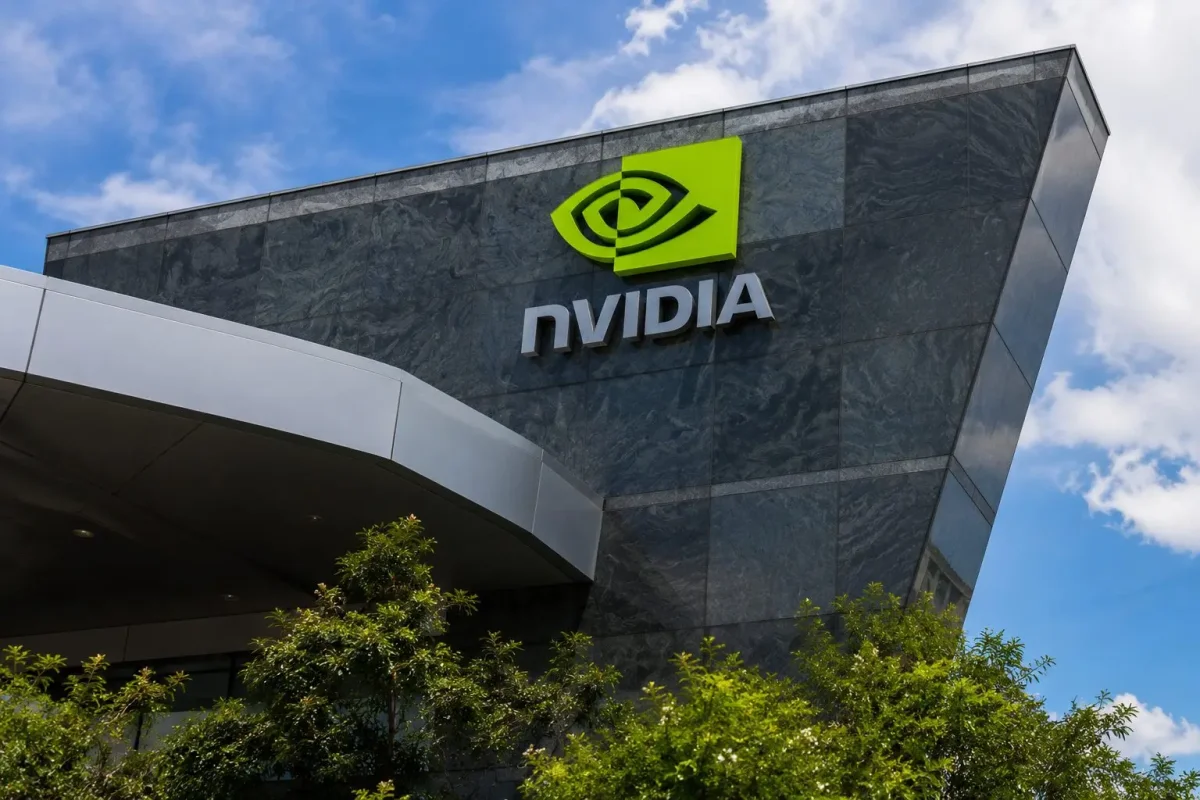
Nvidia Corporation (NVDA) saw its shares decline 2.37% on Tuesday, closing at $207.41, after the chipmaker completed a massive $25 billion bond offering—its first debt sale in five years. The deal, originally targeting $20 billion, was upsized after orders surged to approximately $85 billion, underscoring strong creditor appetite but also raising questions about the company's financing strategy amid its AI-driven expansion.
Bond Deal Details and Market Reaction
The offering, structured in seven tranches with maturities extending to 2056, carries investment-grade ratings, reflecting the company's solid credit profile. Proceeds are earmarked for general corporate purposes, including refinancing existing debt, according to an SEC filing. However, the prospectus cautioned that debt service obligations could constrain cash flow and financial flexibility, a warning that resonated with equity investors.
The stock's decline was part of a broader tech sector selloff. The Nasdaq Composite lost 1.15%, the S&P 500 fell 0.57%, and the Philadelphia Semiconductor Index dropped 5.7%. Other chip stocks also suffered, with Broadcom (AVGO) down 4.37% and Advanced Micro Devices (AMD) sinking 7.30%.
Shifting Investor Focus
The bond sale marks a strategic pivot for Nvidia, which has long been the poster child for AI-driven growth. While the company remains the dominant supplier of AI chips, the market's attention is increasingly turning to balance sheet health and capital requirements. The debt issuance signals that even industry leaders may need to tap external funding to sustain their spending on AI infrastructure, data centers, and energy resources.
Morgan Stanley recently estimated that global AI-related debt sales could approach $570 billion by 2026, as hyperscalers ramp up investments. Nvidia's deal is a bellwether for this trend, but it also injects a note of caution: if the AI buildout requires more external capital than anticipated, or if the Federal Reserve maintains elevated borrowing costs, such bond offerings could become a recurring theme, potentially pressuring equity valuations.
Market Context and Outlook
Tuesday's selloff followed a sharp rally on Monday, with investors taking profits ahead of the Federal Reserve's policy announcement on Wednesday. Mark Luschini, chief investment strategist at Janney Montgomery Scott, noted that market participants were "digesting some of those gains" as they awaited the central bank's guidance on interest rates. The S&P 500 tech sector fell 2.3% on the day.
In related news, Equinix (EQIX) announced an expansion of its partnership with Cisco and Nvidia to deploy "Secure AI Factories," data center solutions tailored for AI workloads. "Enterprise AI starts with its physical foundation," said Gordon Mackintosh, senior vice president for global partner sales and ecosystems at Equinix.
As markets open Wednesday, traders will be watching whether buyers return after the chip index's decline. While bondholders welcomed Nvidia's debt sale, equity investors are now weighing how much of the AI growth story is already priced into the stock.