US stock futures pointed to a higher open on Monday, buoyed by a sharp retreat in crude oil prices that eased fears of sustained energy-driven inflation. Dow Jones futures gained 0.55%, S&P 500 futures rose 0.60%, and Nasdaq-100 futures climbed 0.95% in early pre-market trading. The moves come after Washington postponed additional strikes on Iran and continued diplomatic talks over Tehran's nuclear program and the strategic Strait of Hormuz.
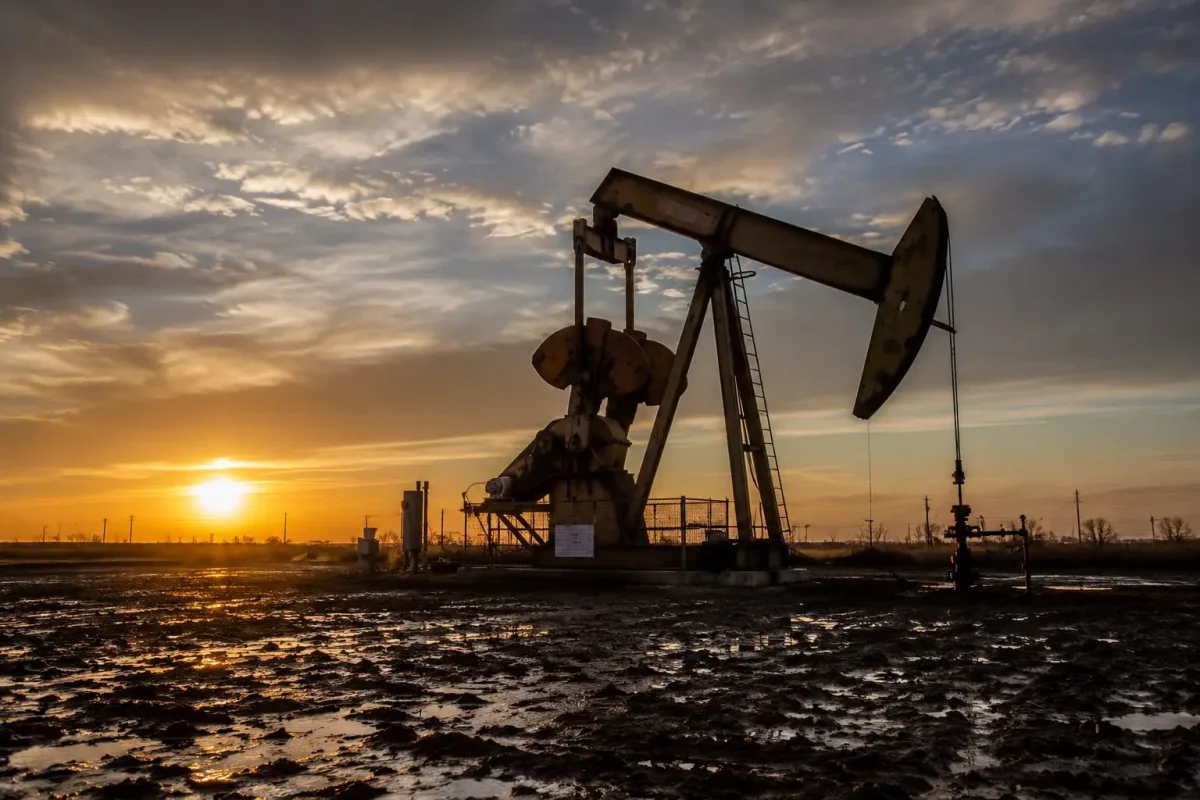
Oil prices tumbled more than 6%, with Brent crude sliding 5.29% to $83.28 a barrel and US crude dropping 6.14% to $79.47. The decline follows a volatile July marked by energy supply concerns. While the pullback provided some relief to markets, equity gains remained modest relative to the magnitude of the oil drop, suggesting investors are cautiously optimistic rather than fully embracing a geopolitical de-escalation.
Market Breadth and Sector Divergence
The divergence between energy and other sectors was evident across global markets. In Europe, travel and leisure stocks jumped 2.1%, while energy producers fell 2.0%, creating a 4.1 percentage point gap between the two sectors. The STOXX Europe 600 index edged up 0.4%, reflecting the selective nature of the rally. Analysts note that lower fuel costs benefit transportation companies and consumers, but weigh on producer earnings, highlighting a shift in margins rather than broad-based risk appetite.
Bond yields remain a key constraint, with the 30-year Treasury yield hovering near its highest level in 19 years. "The market has sort of been at the mercy of both oil prices and the 10-year yield," said Art Hogan, chief market strategist at B. Riley Wealth. The 30-year yield was last at 5.238%, down 3.7 basis points on the day.
Weekly Performance and Tech Earnings
Last week, the S&P 500 advanced 1.05%, the Nasdaq Composite gained 1.59%, and the Dow Jones Industrial Average rose 1.04%, closing at 52,485.03. However, Friday's session showed narrow breadth, with decliners outpacing advancers by about 1.3 to one. Major tech earnings drove notable moves: Amazon.com (NASDAQ:AMZN) surged over 15% on Friday, Microsoft (NASDAQ:MSFT) rose 3%, while Apple (NASDAQ:AAPL) dropped 7.4%. This split underscores investors' preference for immediate AI-driven gains over slower growth or margin compression.
The S&P 500 trades at nearly 20 times projected earnings, versus its 10-year average of about 19 times, leaving little room for disappointment. The Nasdaq fell 3.2% in July, reflecting heightened sensitivity to valuation and earnings quality.
Upcoming Catalysts
The week ahead is packed with earnings and economic data. Over a quarter of S&P 500 companies are scheduled to report results. Key events include Palantir Technologies (NASDAQ:PLTR) after Monday's close, Advanced Micro Devices (NASDAQ:AMD) and SpaceX (NASDAQ:SPCX) on Tuesday, Eli Lilly (NYSE:LLY) and Sandisk (NASDAQ:SNDK) on Wednesday, and the US employment report on Friday. The jobs report is expected to show 83,000 new jobs added in July, with unemployment steady at 4.3%, according to a Reuters poll.
Interest-rate futures currently price in about a 65% chance of a rate hike in September. Stronger payroll numbers could push yields higher and cap stock gains. Additionally, OPEC+'s decision to increase production by 188,000 barrels per day for September adds complexity to the oil supply outlook, though earlier quota increases had little effect on exports amid regional instability.
"Whether this week turns into a rinse and repeat of last week," said IG analyst Tony Sycamore, highlighting the uncertainty surrounding diplomatic efforts and their impact on oil prices. Risks include a breakdown in Iran negotiations, which could renew tanker attacks and lift oil's risk premium, or robust employment data that could drive Treasury yields higher. Disappointing tech outlooks might also reveal overextended valuations.
For now, Monday's action primarily benefits energy consumers rather than producers, and a wholesale risk reset has yet to occur. Investors will be watching for broader market participation and declining yields as signs of a more sustainable rally.