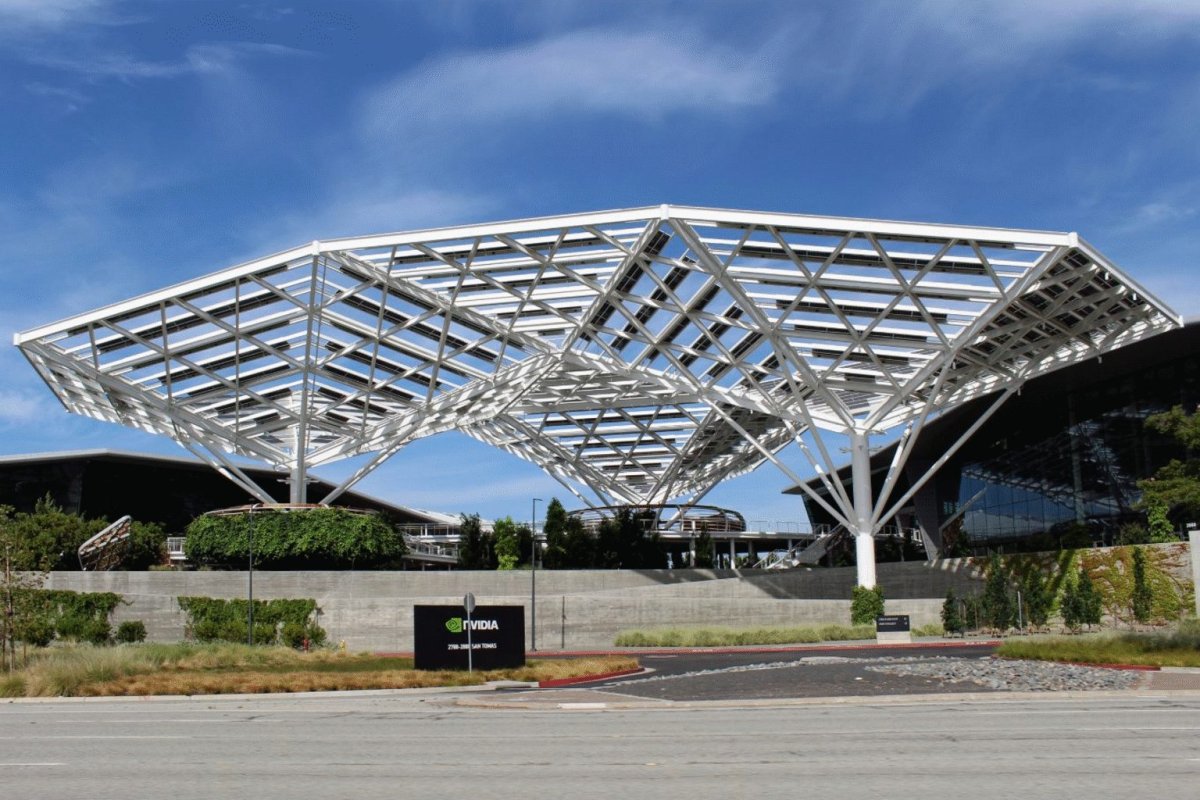
Nvidia Corporation (NASDAQ: NVDA) experienced a sharp reversal on Friday, with shares falling 4.57% to close at $217.55. The decline erased approximately $252 billion in market capitalization, a stark contrast to the previous day's 6.8% surge following the company's robust earnings report. Trading volume reached 194.6 million shares, about 39% above its recent average, indicating heightened investor activity.
The selloff was not triggered by weakening demand. In fact, Nvidia reported quarterly revenue of $96.2 billion, a 106% year-over-year increase, with Data Center revenue climbing to $89.0 billion. However, the market's focus shifted to the cost side of the equation. Executives guided third-quarter gross margin to approximately 74.0%, down from 75.0% in the prior quarter, and projected fourth-quarter margins could fall to 71%–72% due to rising memory expenses.
Chief Financial Officer Colette Kress highlighted that increased memory costs would pressure margins in the coming quarters. This disclosure, while not a demand warning, signaled that the company's growth trajectory comes with higher input costs, prompting investors to reassess valuation. The stock's forward earnings multiple stands at 17.9, compared to 37.2 for Advanced Micro Devices (NASDAQ: AMD) and 46.2 for Intel Corporation (NASDAQ: INTC), according to Reuters calculations.
Looking ahead, Nvidia's revenue outlook remains robust. The company forecasts third-quarter revenue of $108.0 billion, plus or minus 2%, which implies sequential growth of 12.2% and exceeds the analyst consensus of $104.2 billion from LSEG. Notably, this guidance excludes any China Data Center compute revenue, which remains limited and uncertain due to licensing issues.
Despite record profitability, cash conversion weakened during the quarter. Free cash flow dropped to $21.3 billion from $48.6 billion in the previous period, as accounts receivable increased by $22.3 billion and inventory absorbed $5.8 billion. At quarter-end, cash and debt securities totaled $56.6 billion, while debt stood at $33.4 billion.
The working capital growth reflects the massive scale of operations and underscores the company's supply execution capabilities. However, it also introduces liquidity considerations that investors are monitoring closely. Nvidia's balance sheet remains strong, providing a cushion against potential headwinds.
Analysts remain optimistic despite the margin concerns. LSEG data shows that at least 16 brokerages raised their price targets following the earnings release. The company projects an atypical fiscal 2028 revenue increase of around 70%, outpacing the 44% growth analysts had modeled. The upcoming Vera Rubin platform is expected to contribute approximately one-fifth of Data Center revenue in the current quarter.
Key Risks Ahead
Several risks could impact Nvidia's performance in the near term. Memory supply constraints may limit shipments and further squeeze margins. Licensing issues in China remain unresolved, potentially capping a significant revenue stream. Additionally, custom-designed chips from major customers could pressure pricing, and Nvidia's financing agreements with AI clients may heighten credit and concentration risks.
The next catalyst is Nvidia's presentation at the Goldman Sachs technology conference on September 10 at 08:50 PT, where executives are likely to provide further commentary on memory supply, the Rubin ramp, and margin trajectory. Market participants will scrutinize these remarks for signals on how the company plans to navigate cost pressures while sustaining growth.
In summary, Friday's selloff reflects a recalibration of expectations rather than a deterioration in fundamentals. Nvidia's revenue momentum is undeniable, but the market is now pricing in the reality that achieving this growth comes at a higher cost. The coming weeks will be critical in determining whether the stock can regain its footing as investors digest the margin outlook.