European equities retreated on Friday, reversing some of the prior session's tech-driven gains, as a surge in crude oil prices—sparked by stalled negotiations between the United States and Iran—rekindled inflationary concerns and revived bets on further monetary tightening by the European Central Bank.
The pan-European STOXX 600 index dropped 0.8% to 611.27 points by 0703 GMT. Germany's DAX fell 1%, while France's CAC 40 lost 0.8%. The decline was broad-based, with energy-sensitive sectors bearing the brunt of the selloff.
Oil Shock and Inflation Fears
Brent crude rose 1.67% to $107.49 a barrel, while U.S. crude pushed past $103. The price jump followed a breakdown in U.S.-Iran nuclear talks, raising the risk of supply disruptions from the Strait of Hormuz, through which roughly 20% of the world's oil and liquefied natural gas passes. U.S. Trade Representative Jamieson Greer told Bloomberg News that China is pressing for the route to remain open without restrictions or military oversight.
Europe is particularly vulnerable to such supply shocks due to its heavy reliance on energy imports. Higher oil prices ripple through transport, manufacturing, and ultimately consumer spending, amplifying inflationary pressures.
Bond Yields Climb as Rate Hike Bets Intensify
Bond markets reacted swiftly. German 10-year Bund yields rose nearly 6 basis points to around 3.11%, while Italian 10-year yields climbed about 9 basis points to roughly 3.87%. A basis point equals one-hundredth of a percentage point.
“It’s not just inflation, but also higher deficits that should be the focus,” said Mohit Kumar, strategist at Jefferies. The yield moves reflect growing expectations that the ECB will raise interest rates to combat rising prices.
ECB Rate Path in Focus
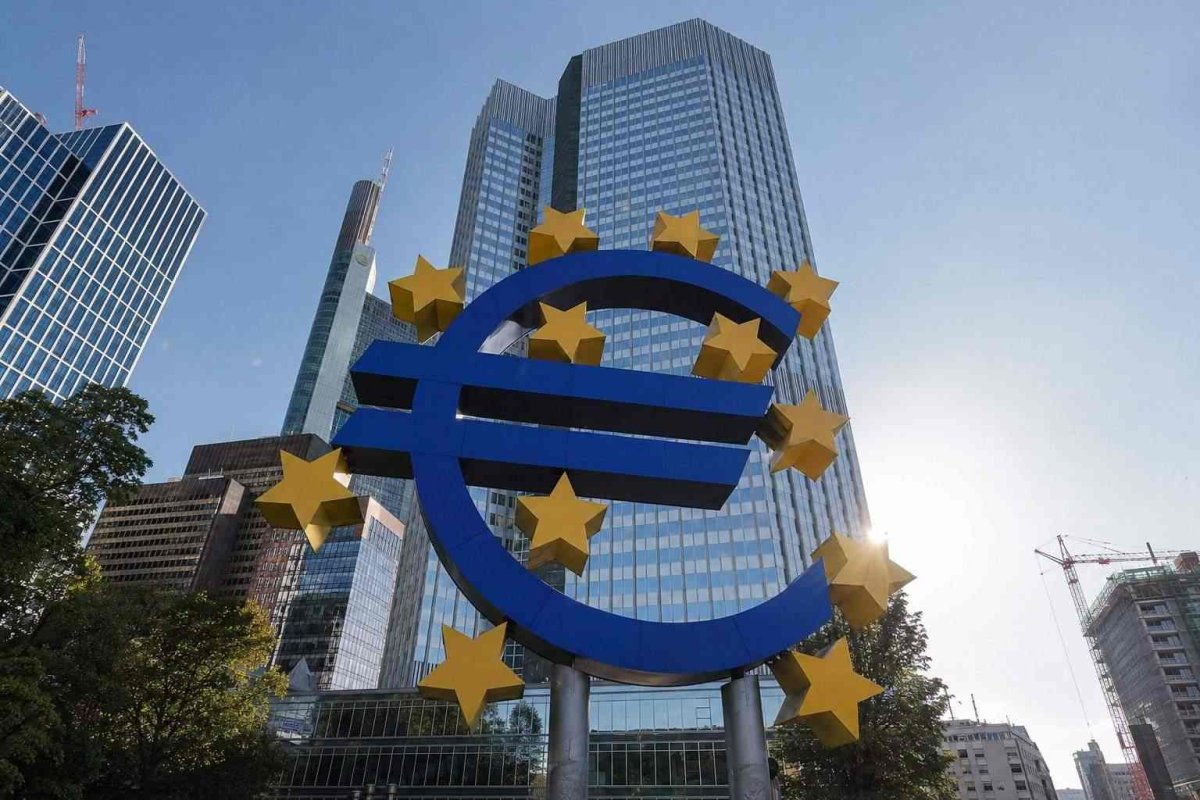
According to a Reuters poll, 59 out of 70 economists expect the ECB to lift its deposit rate by 25 basis points to 2.25% in June. Prediction markets leaned hawkish: Kalshi pegged the odds of a 1-25 basis-point hike in June at 75%, while Polymarket saw an 83% likelihood for a 25 basis-point move. Polymarket also gave just a 28% chance that Strait of Hormuz traffic would return to normal by end of June.
However, views among analysts are mixed. Martin Wolburg at Generali Investments argued that “markets are exaggerating in expecting three rate hikes,” while Jens Eisenschmidt at Morgan Stanley countered that “at least two rate hikes seem likely.”
Corporate Moves: LVMH, Stellantis, and Earnings
LVMH (LVMUY) shares slipped after the luxury giant agreed to sell Marc Jacobs to a joint venture led by WHP Global and G-III Apparel Group (GIII), in a deal valuing the buyers' stake at up to $850 million. Consultant Brittain Ladd described the move as a “new playbook of owning the IP, licensing aggressively and keeping operations lean.”
Stellantis (STLA) bucked the broader market trend, edging higher after striking a deal worth about $1.2 billion with longtime Chinese partner Dongfeng to manufacture Peugeot and Jeep vehicles in China. The plan involves over 8 billion yuan (about 1 billion euros) in total investment, with Stellantis contributing close to 130 million euros. CEO Antonio Filosa said the venture will leverage “cutting-edge EV technologies.”
On the earnings front, European blue-chips are on track for their best profit growth since Q4 2022. First-quarter earnings are expected to rise an average of 11.5%, driven by strength in energy and financials, though revenue is still forecast to decline.
Germany Drags, Risks Remain
Germany continues to underperform. The economy ministry reported first-quarter growth of just 0.3% and warned of a sharp Q2 slowdown due to price pressures, supply snarls, and uncertainty. German wholesale prices rose 6.3% in April—the fastest pace in three years—and Berenberg economist Felix Schmidt sees inflation topping 3% in May.
Risks are not one-sided. A swift reopening of the Strait of Hormuz or a credible peace agreement could pull oil prices lower and relieve pressure on stocks. But if disruptions persist, investors face a tougher environment: elevated energy costs, tight monetary policy, and slowing growth. The ECB has not committed to a specific rate path, emphasizing that the fallout will depend on the severity and duration of the energy shock, as well as secondary effects like wage growth.