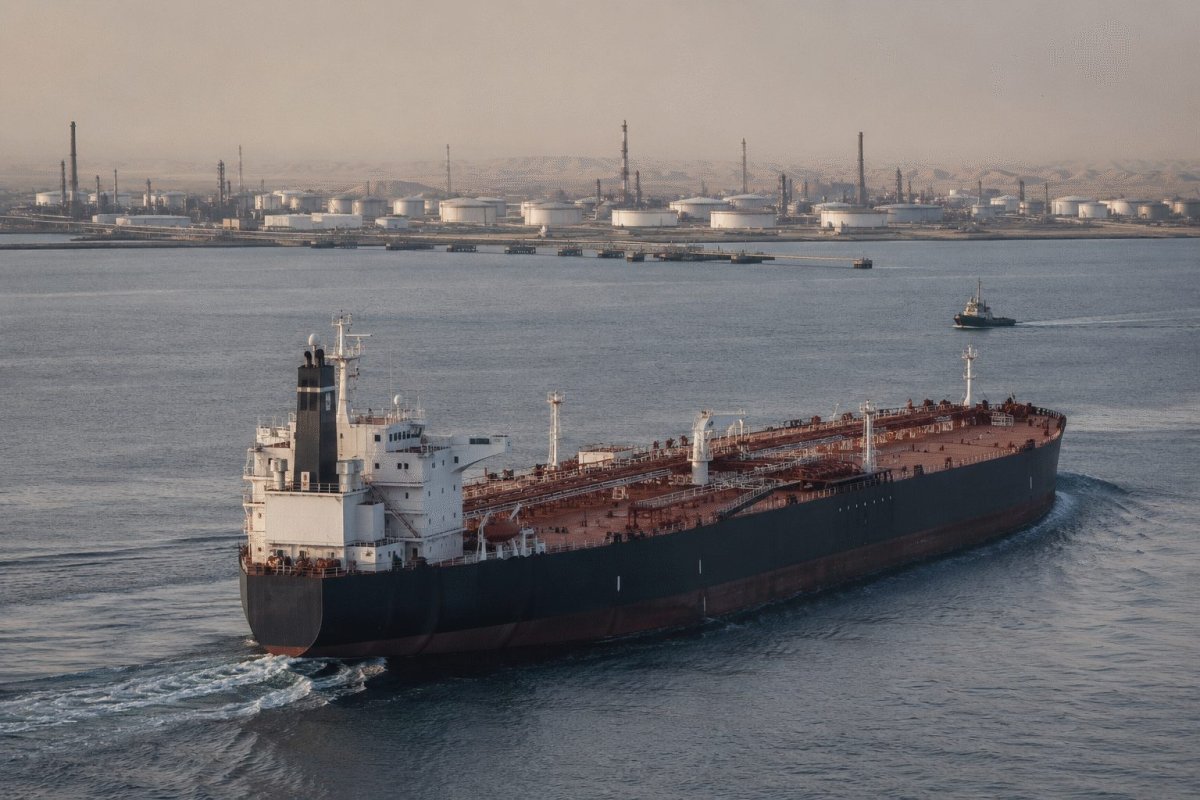
Oil prices experienced a sharp decline on Tuesday, with West Texas Intermediate (WTI) crude settling 3.1% lower at $82.36 per barrel, while Brent crude fell 3.9% to close at $88.58. The drop came as market participants adjusted their expectations regarding the impact of recent U.S. sanctions on Iran, concluding that the measures are unlikely to significantly curtail global supply in the near term.
The settlement represents the lowest close for Brent since August 14, and the moves underscore a broader reassessment of geopolitical risk in the energy complex. Traders had earlier braced for potential supply disruptions following heightened tensions in the Middle East, but the latest signals suggest a more measured approach from Washington.
Market Shift: From Military Escalation to Sanctions
The key driver behind Tuesday's selloff was a change in how the market interpreted the U.S. strategy toward Iran. Instead of focusing on the possibility of military action, investors turned their attention to the broader sanctions package, which, while extensive, appeared to lack the immediate teeth needed to choke off oil flows. According to market analyst Ole Hansen of Saxo Bank, this shift "reduced some of the oil market's anxiety."
Reports indicate that the sanctions target more than 60 entities, but without specific enforcement names initially disclosed, traders saw limited direct impact on supply. This contrasts with earlier fears of a blockade or military escalation, which would have posed a more immediate threat to tanker traffic through key chokepoints.
Energy Stocks Underperform
The repricing was evident across equity markets, with oil and gas producers bearing the brunt. The SPDR S&P Oil & Gas Exploration & Production ETF (XOP) fell 1.88% to $182.73, while the Energy Select Sector SPDR Fund (XLE) declined approximately 1.0%. In contrast, the broader market advanced, with the S&P 500 gaining 0.32% and the Nasdaq Composite adding 0.66%. The yield on the 10-year Treasury closed near 4.638%.
For U.S. investors, the decline in crude prices carries mixed implications. Lower oil reduces cash-flow forecasts for producers, but it also alleviates inflationary pressures, which could influence Federal Reserve policy and bond market dynamics.
Physical Market Tightness Persists
Despite the price drop, the physical market remains tight. According to the U.S. Energy Information Administration (EIA), an average of 20.9 million barrels per day transited the Strait of Hormuz in the first half of 2025, accounting for roughly 20% of global petroleum consumption. However, flows averaged just 4.9 million barrels per day in the second quarter of 2026, reflecting ongoing disruptions.
Alternative pipeline capacity from Saudi Arabia and the UAE offers around 4.7 million barrels per day, providing a partial buffer. Additionally, Iran and Oman have discussed a provisional navigation route, which has bolstered sentiment that diplomatic efforts might safeguard some tanker movement.
Outlook and Risks
Brent finished Tuesday 8.0% above the EIA's July estimate of an $82 average for 2026, and the agency projects $65 for 2027, suggesting a significant risk premium remains in futures. However, the market is currently pricing in coercion rather than a full blockade, a distinction that shaved several dollars off crude in a single session.
Risks to this view include the potential collapse of the navigation corridor, renewed tanker disruptions, or retaliation from Iran. Tighter enforcement against Chinese buyers could also jeopardize export levels. Any of these developments could quickly reverse Tuesday's decline.