Global oil markets opened the week under intense pressure, with Brent crude futures holding above $112 per barrel following a sharp rally on Friday. The benchmark gained 4.2% to settle at $112.57, while U.S. West Texas Intermediate (WTI) crude jumped 5.5% to $99.64. The surge reflects deepening trader skepticism over a near-term resolution to Gulf tensions, with a significant risk premium now embedded in prices.
Historic Supply Disruption Unfolds
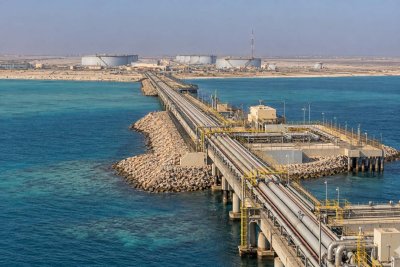
The International Energy Agency has characterized the current situation as the most severe supply shock ever recorded in the oil market. Shipments through the critical Strait of Hormuz have nearly halted following the entry of Houthi forces into regional conflicts. This vital waterway, through which approximately 21 million barrels of oil flow daily, is experiencing unprecedented constraints. The physical market is already showing signs of strain, with Asian refiners shifting their pricing benchmarks from Dubai crude to ICE Brent after Dubai prices hit record levels.
Evidence of the disruption mounted over the weekend. Two Chinese container vessels abandoned their attempts to exit the Gulf on Friday after safe passage could not be guaranteed, according to analysts. While some diplomatic efforts have allowed limited tanker movement—including two India-bound liquefied petroleum gas shipments on Sunday—the overall traffic remains severely restricted. Pakistan reported discussions with Turkey, Egypt, and Saudi Arabia about reopening the strait, with Iran agreeing to permit passage for 20 additional Pakistani-flagged ships. However, the route's security remains highly uncertain.
Market Structure and Pricing Shifts
The supply squeeze is distorting traditional market structures. Some buyers have pressed Saudi Aramco to adopt a Brent-linked pricing formula, a significant departure from the typical Dubai benchmark. Trading activity has been volatile; earlier in the month, TotalEnergies' trading arm was the sole buyer in the Platts pricing window, but sellers including Shell, BP, Vitol, and Unipec later entered, causing Dubai premiums to plummet. UBS analyst Giovanni Staunovo noted that more than 10 million barrels per day are missing from the market while Hormuz flows remain constrained.
Government responses highlight the crisis's severity. India loosened kerosene regulations to accelerate household fuel delivery, while Egypt reduced fuel allocations and halted diesel-intensive state projects. Shell CEO Wael Sawan emphasized the fundamental link between energy security and national security, a sentiment resonating across consuming nations.
Trader Focus and Key Events Ahead
Market participants are monitoring three critical developments this week. First, any signs of a sustained recovery in tanker traffic will be scrutinized. Second, the OPEC+ alliance convenes on April 5 to review market conditions. The group previously agreed to a modest 206,000 barrel-per-day production increase for April during its March 1 meeting. Third, the U.S. Energy Information Administration will release its Weekly Petroleum Status Report on April 1, providing the next official snapshot of inventories and refinery activity.
Analysts are divided on the outlook. A Reuters survey of 13 analysts reveals a stark divergence: Brent is projected to average $134.62 if current disruptions persist, but could spike to $153.85 if Iran's Kharg Island export infrastructure is compromised. DBS analyst Suvro Sarkar warned that all Asian nations would feel the impact of restricted Hormuz transit. Conversely, Barclays maintains a base case assuming normal traffic resumes by early April, aligning with a 2026 Brent price of $85. Macquarie sees potential for a sharp price decline if the conflict abates quickly, though not to pre-crisis levels.
Options Market Signals Caution
Positioning in the derivatives market indicates heightened anxiety. Open interest in options contracts betting on Brent reaching $150 by the end of April has increased nearly tenfold from last month. Tim Skirrow of Energy Aspects described these positions as clear signals that investors are hedging against dramatic price spikes. StoneX analyst Alex Hodes observed that investors are more focused on the conflict's duration than daily price swings, resulting in a stubborn risk premium for both Brent and WTI.
Currently, trading dynamics are driven more by vessel movements than official statements. The weekend saw limited additional cargoes transit the strait, but Friday's reversals by Chinese ships and the Houthis' escalated involvement underscore the market's fragility. The situation remains highly fluid, with the potential for crude prices to lurch higher on any new concerning development.