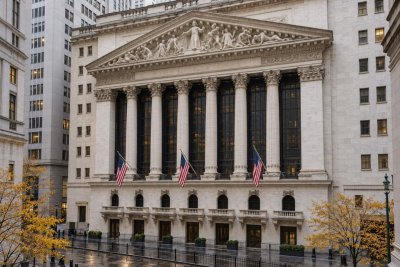
Wall Street's main indexes opened higher on Monday, bouncing back from a sharp decline on Friday, as a recovery in chip stocks and signs of easing Middle East tensions helped offset an early surge in oil prices. The Dow Jones Industrial Average rose 0.26%, the S&P 500 gained 0.77%, and the Nasdaq Composite advanced 1.38%, following a tech-led rout that had shaken investor confidence.
Market Context
The rebound comes amid a dual shock to markets: rising oil prices stoking inflation fears, and a strong U.S. jobs report that reinforced expectations the Federal Reserve may keep interest rates higher for longer. Nonfarm payrolls increased by 172,000 in May, and the unemployment rate held steady at 4.3%, according to the U.S. Bureau of Labor Statistics. That data kept alive worries that the central bank will maintain its tight monetary policy.
Global Tech Selloff
Tech stocks were hit hard globally. The Nasdaq fell 4.2% on Friday, while South Korea's KOSPI dropped 8.3% on Monday. Japan's Nikkei lost nearly 4%, and Taiwan's main index fell 3.5%. "The big surprise is not that we had a selloff, but that we didn't have it before," said Lars Skovgaard, senior investment strategist at Danske Bank.
Asian hardware stocks were particularly affected. Samsung Electronics lost over 10%, and SK hynix slid 7.7%, according to reports. Swissquote senior analyst Ipek Ozkardeskaya noted that higher borrowing costs "reduce the present value of future earnings," which weighs on tech shares valued for expected growth.
Oil Markets
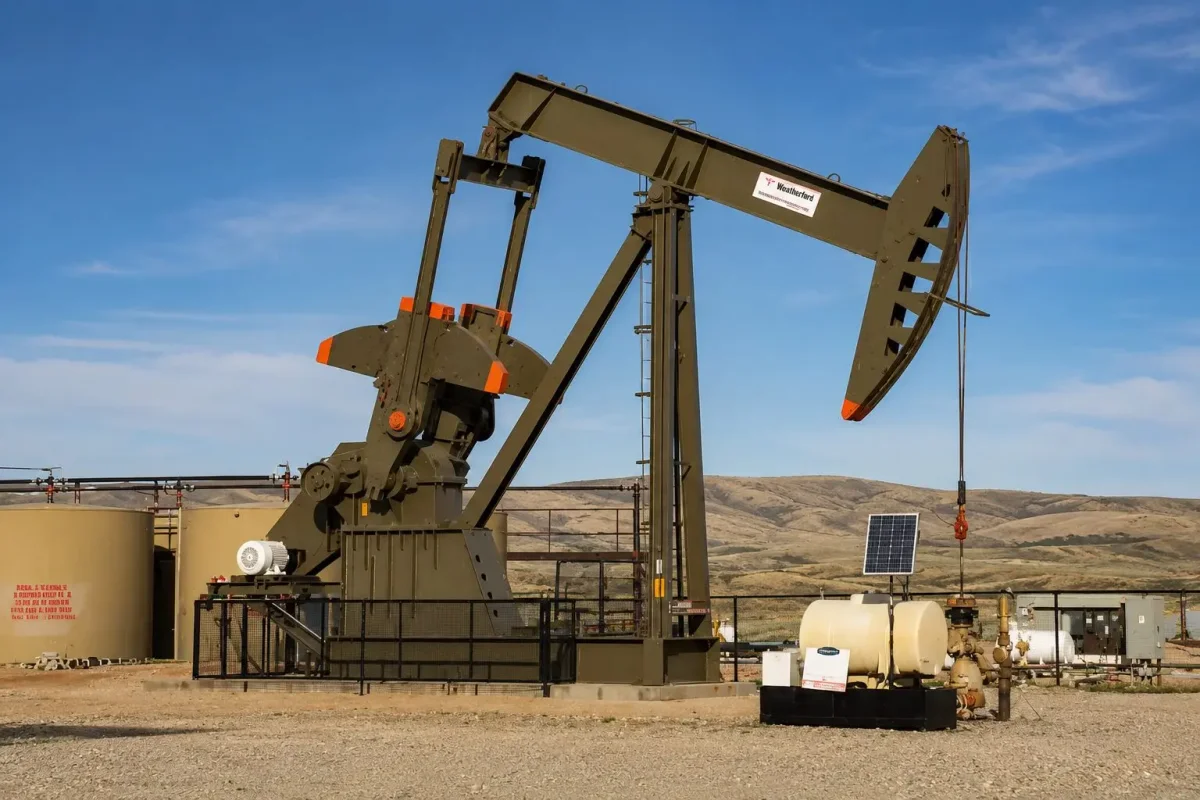
Oil prices pulled back from earlier highs after Iran's military said attacks on Israel had stopped. Brent crude was up 1.5% at $94.52 a barrel, with West Texas Intermediate gaining 1.1% to $91.57. Both benchmarks were up over 5% at one point. The Strait of Hormuz, which accounted for about 13% of global oil supply before the recent shutdown, has been mostly closed for over three months, adding to supply uncertainty.
Geopolitical Developments
Iran and Israel have indicated a halt in attacks, with U.S. President Donald Trump calling for both sides to stop. This was the most direct clash between the two in 24 hours since April's ceasefire. However, Tehran warned it would launch new strikes if Israel continued targeting Hezbollah in Lebanon. Iranian Foreign Ministry spokesperson Esmaeil Baghaei said the recent exchanges will worsen the "chaotic diplomatic process" with Washington, adding that Tehran is trading messages with the United States under "extreme suspicion."
Outlook
Markets are currently reading the flare-up as a limited shock, not a shift in the overall trend. However, that could change quickly. Any new strike, a more extended Hormuz shutdown, or another run-up in U.S. yields could pressure the rebound in chip stocks and weigh on the broader market again.
Oil traders may be underestimating supply risks as the market continues to lack solid data. Traders are still guessing on stockpiles and demand with little information, according to Reuters' Ron Bousso.