U.S. equities experienced a steep decline on Thursday, with the Nasdaq Composite leading the sell-off with a 2.3% drop, while the S&P 500 fell 1.3% and the Dow Jones Industrial Average slipped 1.1%. The losses were driven by a combination of disappointing megacap earnings and a surge in oil prices that heightened inflationary concerns ahead of next week's Federal Reserve meeting.
Megacap Earnings Disappoint
The primary catalysts for the market downturn were the quarterly reports from Alphabet (NASDAQ:GOOGL) and Tesla (NASDAQ:TSLA). Both companies posted strong revenue growth of over 20% year-over-year, but their heavy capital expenditures and negative free cash flow rattled investors. Alphabet's revenue reached $119.8 billion, up 24%, but its capital expenditures totaled $44.9 billion, representing 37.5% of revenue, leading to a negative free cash flow of $5.9 billion. The company also raised its 2026 capex forecast to a range of $195 billion to $205 billion, with CFO Anat Ashkenazi warning that free cash flow would "remain under pressure."
Tesla reported a 26% increase in revenue to $28.24 billion, but operating income declined by 57%. Its capital expenditures surged to $5.79 billion, and free cash flow turned negative at $1.09 billion, compared to a positive $146 million in the prior period. Shares of Alphabet fell 6.9%, while Tesla dropped 13.6%.
Cash Conversion Becomes Key Metric
The market's focus shifted to cash conversion, with companies demonstrating strong free cash flow generation rewarded. Lockheed Martin (NYSE:LMT) rose 10.4% after reporting an 11% increase in revenue to $20.1 billion and free cash flow of $2.9 billion, with capital expenditures of just $318 million. The defense contractor also raised its full-year 2026 sales and free cash flow outlook. Thermo Fisher Scientific (NYSE:TMO) gained 10% after raising its yearly profit outlook, with CEO Marc Casper noting that end markets "continue to strengthen."
Oil Surge and Bond Yields Add Pressure
Adding to the market's woes, Brent crude oil surged 8% to $101.76 per barrel amid shipping disruptions in the Middle East, fueling inflation fears. The yield on the 10-year Treasury note climbed to 4.703%, its highest level since January 2025, further pressuring growth stocks. The energy sector was a rare bright spot, but the broader market suffered as consumer discretionary stocks dropped over 5% and communication services slid 4.8%.
Broad Market Decline
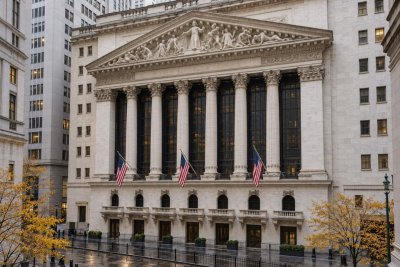
The sell-off was widespread, with declining stocks outnumbering advancing ones by a ratio of 3.35 to 1 on the New York Stock Exchange. The Philadelphia Semiconductor Index posted its largest weekly drop in over a year, closing 20.2% below its record high from June 22. All three major indexes finished lower for the week, eroding the technology sector's dominance.
Fed Meeting Ahead
The Federal Reserve is scheduled to meet on July 28-29, with traders pricing in a 64% probability that interest rates will remain unchanged. However, the combination of rising oil prices and higher bond yields has raised the bar for cash flow generation, making it more challenging for companies with heavy capital expenditure plans. Equity investors face two-sided near-term risks: a drop in oil prices or quicker cash conversion could trigger a strong rally, while increased hostilities, rising yields, or expanded spending plans could lead to steeper declines.