Global oil benchmarks exhibited significant volatility on Wednesday, oscillating around the psychologically important $100 per barrel level. The market grappled with conflicting signals between potential diplomatic progress in the Iran conflict and the stark reality of ongoing supply disruptions in the Gulf region.
In London trading, Brent crude for June delivery experienced a turbulent session, initially sliding 1% to $102.91 per barrel by 1106 GMT after touching an intraday low of $98.35. The contract later rebounded to hover close to $103. Meanwhile, U.S. benchmark West Texas Intermediate (WTI) crude declined 1.4% to trade at $99.94, having earlier dipped to $96.50. Despite the day's swings, both benchmarks remain approximately 60% higher than their levels from February 28, when hostilities first erupted.
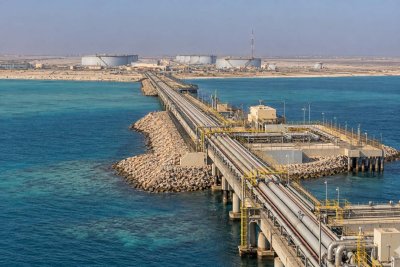
The price action followed comments from former President Donald Trump, who suggested the U.S.-Israeli military campaign against Iran could conclude within two to three weeks, adding that a formal agreement with Iran was not a prerequisite for this timeline. However, energy traders expressed skepticism regarding a rapid normalization of Gulf energy flows, citing anticipated prolonged vessel congestion and necessary infrastructure repairs in the critical Strait of Hormuz—a chokepoint for roughly 20% of global seaborne oil and liquefied natural gas trade.
Supply Constraints and Economic Warning Signs
The fundamental picture continues to reflect severe tightness. The International Energy Agency (IEA) reported that over 12 million barrels per day of oil supply have already been removed from the market since the fighting began. The agency issued a stark warning that supply losses in April could double those recorded in March. IEA Executive Director Fatih Birol described the situation as a "major, major disruption," noting Europe faces potential jet fuel and diesel shortages as soon as April or May.
This supply crunch is vividly reflected in consumer fuel prices. According to AAA, the national average price for a gallon of regular gasoline in the United States reached $4.064 on April 1, a sharp increase from $2.984 just one month earlier. Diesel prices averaged $5.490 per gallon. The surge is forcing investors and economists to weigh whether any near-term price relief is imminent or if elevated energy costs will begin to exert more significant drag on broader economic activity.
Market hesitation is evident in the Organization of the Petroleum Exporting Countries (OPEC) production data. A Reuters survey indicated OPEC output fell by 7.30 million barrels per day in March, reducing total production to 21.57 million barrels per day—the lowest level since June 2020. Iraq accounted for the majority of the decline, with Saudi Arabia and the United Arab Emirates also trimming production. Concurrently, a separate survey suggested Saudi Arabia could raise its official selling prices for crude delivered to Asia in May to record highs.
Central Bank Vigilance and Recession Risks
The inflationary implications are keeping central bankers on high alert. Kansas City Federal Reserve President Jeff Schmid emphasized that policymakers cannot afford to relax, noting that rising energy costs threaten to push up both headline and core inflation measures. "I am focused on the risks to inflation," he stated.
The risks are particularly acute for Europe. European Central Bank Governing Council member Yannis Stournaras warned on Wednesday that "nothing can be ruled out, even a recession" if the Iran conflict persists and oil prices surge above $150 per barrel. Economic warning signs are already accumulating; while U.S. consumer confidence edged higher in March, the expectations index slipped to 70.9—a threshold historically associated with elevated recession risk.
Heather Long, chief economist at Navy Federal Credit Union, highlighted the central concern: whether the current oil price shock evolves into a "demand destruction shock," where persistently high prices ultimately curb consumer spending and fuel consumption.
Looking ahead, traders are balancing two distinct timelines. One narrative focuses on potential ceasefire developments and diplomatic efforts that could eventually restore tanker traffic. The OPEC+ alliance, which had already planned to increase output starting in April, is scheduled to meet on April 5. The IEA is also considering a new emergency release from its strategic reserves.
However, the counter-narrative emphasizes the time required to repair battered Gulf infrastructure and restore a shipping network in no hurry to heal. As HSBC analyst Kim Fustier noted, a "risk premium would persist" due to thin global inventories and supply chains that cannot rebound overnight. For now, crude prices continue to hover near $100, finding no solid ground as the market juggles fleeting hopes against tangible supply fears.