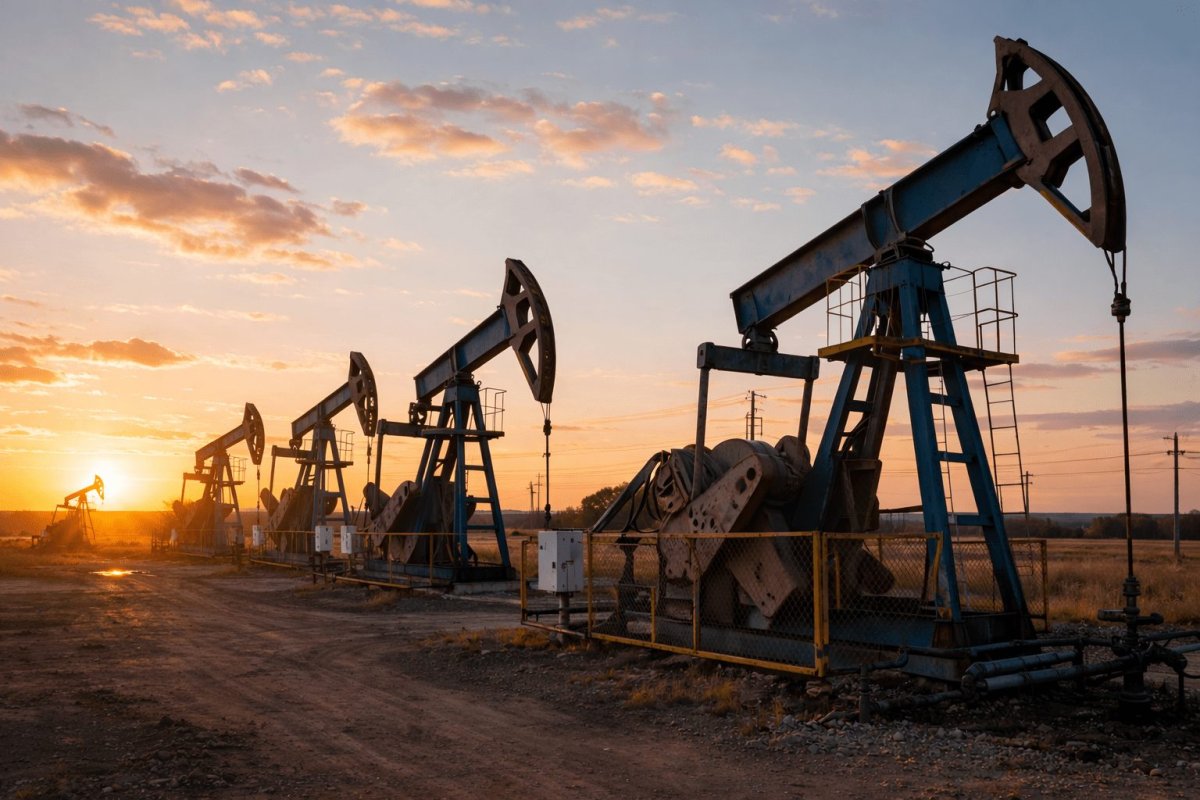
Global oil markets experienced significant turbulence on Monday, March 30, 2026, as geopolitical risks and coordinated government responses drove sharp price swings. The international benchmark, Brent crude, surged past $116 per barrel during the session before paring gains, ultimately trading 0.5% lower at $112.05 by midday Eastern Time. Earlier, it had reached an intraday high of $116.89. Conversely, the U.S. benchmark, West Texas Intermediate (WTI), climbed 3.5% to $103.09 per barrel.
Geopolitical Flashpoint and Price Impact
The primary driver of the market anxiety is the escalating conflict in the Middle East, specifically around the Strait of Hormuz. This critical maritime chokepoint handles approximately 20% of the world's seaborne oil and gas shipments. Analysts warn that the situation remains precarious. Robert Yawger, Director of Energy Futures at Mizuho, indicated that any Houthi strike on shipping near the southern Red Sea could add an immediate $5 to $10 premium to each barrel of oil.
The price surge has been historic. According to data from Morgan Stanley, Brent crude has skyrocketed 59% in March alone, marking its most dramatic monthly increase since the Gulf War in 1990. This shock is reverberating beyond commodity markets, influencing broader economic policy. Federal Reserve Chair Jerome Powell acknowledged the situation, stating the central bank could adopt a "wait and see" approach to understand how the conflict-driven energy spike will filter through to inflation.
Physical Market Strain and Supply Scramble
The crisis is now manifesting in physical cargo markets, not just futures contracts. North Sea Forties crude, a key component of the Brent benchmark, reached a record premium on Friday. Buyers, particularly in Asia, are scrambling for alternatives, pushing flows from Europe, Angola, and Nigeria to Asia toward 3.72 million barrels per day for March. "Globally, there are fewer barrels available, so the people who need them are bidding prices up," noted Neil Atkinson, former head of the International Energy Agency's oil markets division.
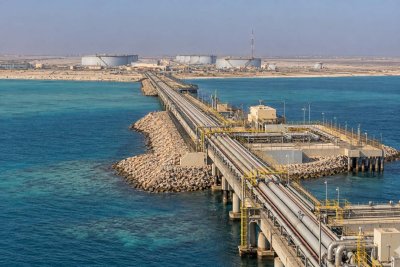
Saudi Arabia, a key producer, is attempting to mitigate the disruption by maximizing shipments via routes that bypass the Strait of Hormuz. Exports from the Red Sea port of Yanbu climbed to roughly 4.6 million barrels per day last week, with data from Kpler and LSEG suggesting flows are nearing the site's maximum capacity of 5 million barrels per day.
G7 Response and Corporate Reactions
In response to the market turmoil, finance and energy ministers from the Group of Seven (G7) nations, alongside central bankers, declared their readiness to take "all necessary measures" to ensure energy market stability. This statement supports the International Energy Agency's existing plan to release 400 million barrels from emergency strategic reserves.
Major energy corporations are assessing the impact. PetroChina Chairman Dai Houliang downplayed immediate operational risks, stating only about 10% of its crude and gas transits the Strait of Hormuz and expressing confidence in maintaining stable operations. The price surge has buoyed shares of major oil producers. In European trading, Shell advanced 2.1% and TotalEnergies rose 3.2%, while Exxon Mobil gained 2.1% in the United States.
Asian Demand Center Feels the Heat
The consequences are most acute in Asia, the destination for about 80% of the oil moving through the Strait of Hormuz. South Korea issued a stark warning, indicating that if crude prices climb to the $120-$130 range, it may impose driving restrictions on all citizens—a measure last used during the 1991 Gulf War. Major conglomerates like Samsung and SK Group have already advised employees to limit private car usage as officials across the region brace for significantly costlier fuel.
The airline sector is feeling the pressure from higher fuel costs, with Air France and Lufthansa shares each declining 1.5%. "Markets are underpricing the prospect that this outbreak of hostilities will not have a speedy conclusion," cautioned Michael Hewson, Senior Market Analyst at iForex.
Uncertain Path Ahead
The market's direction hinges entirely on whether regional tensions escalate or subside. Some shipping traffic has cautiously resumed through the Strait of Hormuz. Kevin Headland, Co-Chief Investment Strategist at Manulife Investments, offered a tempered outlook: "We don't believe oil is going to remain structurally this high for long." However, the International Monetary Fund (IMF) warned that the shock has already darkened the economic outlook for numerous countries, potentially trapping policymakers between weaker growth and accelerating inflation.
The dramatic moves underscore the fragile balance in global energy markets and the profound economic impact of supply disruptions from one of the world's most critical trade corridors.