Oracle (NYSE:ORCL) has built a massive backlog of future AI-related revenue, but the company's heavy spending and a market valuation that lags behind peers are raising concerns among investors. As of late Thursday morning, Oracle shares were trading at $141.27, down 0.9%, giving the company a market capitalization of approximately $411.4 billion. In contrast, Microsoft (NASDAQ:MSFT) commands a market value of about $2.90 trillion, highlighting the stark valuation gap between the two tech giants.
Backlog vs. Market Cap: A Growing Disconnect
Oracle's remaining performance obligations (RPO), a measure of contracted future revenue, surged by $85 billion in the latest quarter to reach $638 billion—a 363% increase year-over-year. This figure now edges past Microsoft's commercial RPO of $627 billion. However, Oracle's RPO represents 155% of its market cap, compared to just 22% for Microsoft, signaling that investors are not fully pricing in the backlog's value.
The gap suggests that the market is focused on Oracle's ability to convert these obligations into actual revenue and cash flow. The company's fiscal 2026 free cash flow was negative $23.7 billion, and its capital expenditure plan for fiscal 2027 could hit $95 billion, including about $70 billion in net cash outlay. This spending exceeds the $76.6 billion in RPO that Oracle expects to recognize over the next 12 months, raising questions about whether the company is overextending itself.
Funding the Buildout: Debt and Customer Support
Oracle plans to finance its expansion through a combination of debt and equity, with around $40 billion in new financing. However, customer prepayments and hardware contributions—amounting to $75 billion in AI-related deals—help reduce the immediate funding burden. CFO Hilary Maxson noted that these arrangements may offer margins similar to or better than standard contracts, though they transfer delivery risk to Oracle.
Despite these measures, the company's cash outflows are outpacing near-term revenue realization, leading some analysts to view Oracle less as a typical software company and more as a capital-intensive infrastructure play. The company's shares have fallen to an 18-month low, even as its backlog grows.
Capacity Constraints and OpenAI Dependency
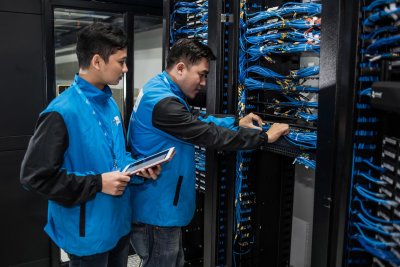
Oracle is racing to build data-center capacity to meet committed demand. CEO Clay Magouyrk said first-quarter deliveries were approaching one gigawatt, nearly matching the total output of the previous full year. However, supply chain issues, rising power costs, and regulatory hurdles remain significant risks, as highlighted in the company's annual report.
A key variable for Oracle's AI business is its reliance on OpenAI. Reports that OpenAI may delay its IPO until 2027 and is seeking a valuation of up to $1 trillion have weighed on Oracle's stock. Additionally, OpenAI's discussions about a potential 5% stake for the U.S. government could introduce political and regulatory complexities.
Valuation and Analyst Views
William Blair recently placed Oracle on its conviction list, noting that shares trade at about 18 times expected earnings. This valuation is attractive only if AI deals translate into sustainable profits rather than merely funding more debt-laden capacity. Investors are closely watching whether the 12% near-term RPO conversion rate can keep pace with spending that has reached hyperscaler levels.
As Oracle navigates this high-stakes balancing act, the market remains skeptical. The company's ability to convert its massive backlog into cash flow without overleveraging its balance sheet will be critical in determining whether the equity story holds or turns into a debt story.