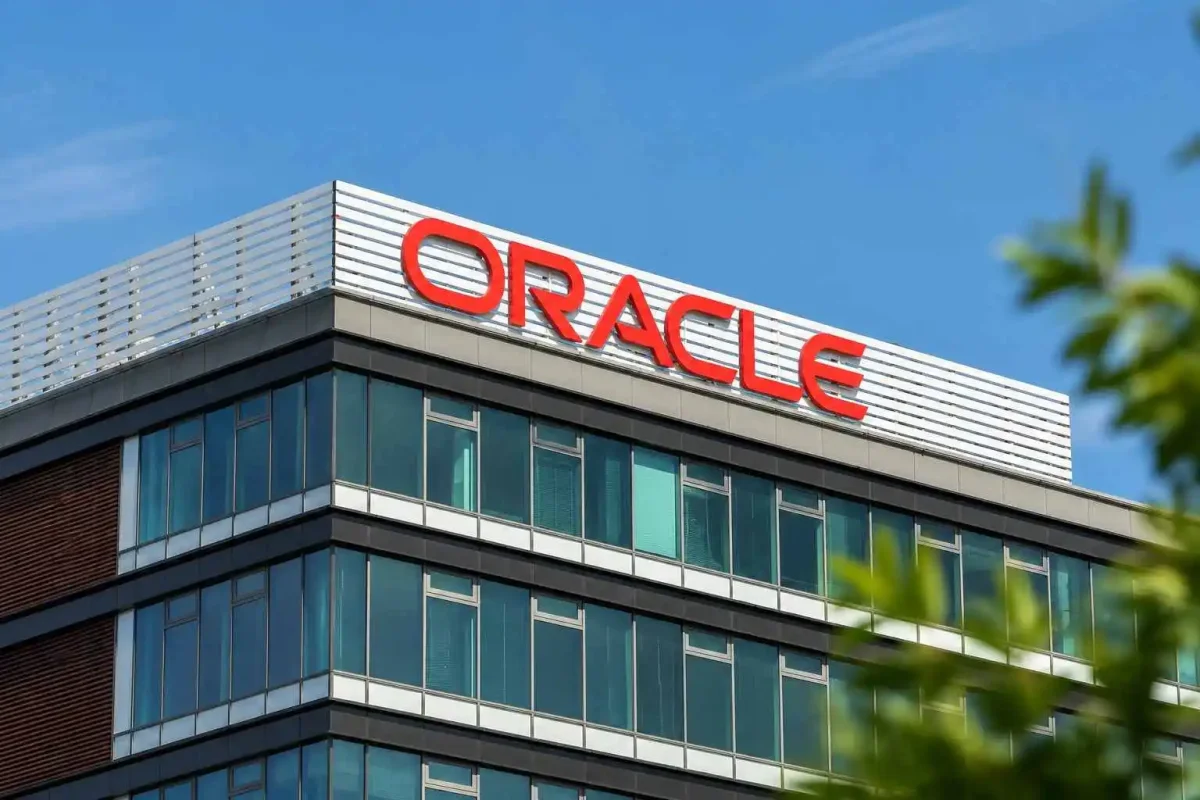
Oracle Corporation (NYSE: ORCL) saw its stock rise approximately 2.5% in after-hours trading following the announcement of a major software procurement contract with the U.S. Department of Defense. The move came after the regular session closed at $120.04, which was down 4.6% on the day and near a 52-week low of $119.44.
The Pentagon awarded Oracle an indefinite-delivery, indefinite-quantity (IDIQ) contract vehicle with a maximum value of $6.99 billion over a potential ten-year period. The first five years carry a base value of $3.31 billion, with a five-year option that could lift the total ceiling. Revenue will be realized through task and delivery orders, with pricing and performance terms set at the order level.
Despite the headline contract value, the market reaction has drawn attention for a striking valuation mismatch. Preliminary estimates suggest the implied equity gain from the stock's after-hours move is near $8.6 billion—a figure that exceeds the contract's full ten-year ceiling. Analysts noted that this comparison does not measure contract profit, but rather indicates that relief buying also contributed to the rally. Oracle had lost 5.0% since last Friday's close of $126.41, and the Pentagon news provided a catalyst for a rebound.
At its maximum, the deal averages approximately $699 million annually, which equals about 1.0% of Oracle's fiscal 2026 revenue. Actual revenue could be uneven, as it depends on task order timing and execution.
Oracle executive Kim Lynch described the agreement as "a more standardized and efficient path" to Oracle technology for the Pentagon. Pentagon CIO Kirsten Davies highlighted that consolidation efforts are "driving at least $441 million in taxpayer savings" over the lifecycle of the contract.
For context, the Pentagon's May software vehicle awarded to Microsoft (NASDAQ: MSFT) is larger on an annualized basis. That five-year contract is valued at $9.69 billion, or $1.94 billion per year, with stated annual taxpayer savings of $422 million. However, the figures are not fully comparable: Oracle's maximum includes an unexercised option, while Microsoft's vehicle renews spending already held in existing budgets.
The Pentagon described Oracle's award as centered on consolidated on-premises usage, but Oracle noted that orders may also cover SaaS and professional services, which could support a wider revenue mix.
Cash conversion remains the larger investor test for Oracle. The company ended fiscal 2026 with $638 billion of remaining performance obligations, but free cash flow was negative $23.7 billion. Oracle expects to raise roughly $40 billion through debt and equity in fiscal 2027. The week ahead includes the Fed's July 28-29 meeting, which could present another test for rate-sensitive technology valuations.
Risks include the possibility that task orders may arrive slowly, option years may lapse, and buyer savings could limit realized pricing. Oracle's AI buildout also carries financing and execution risk.