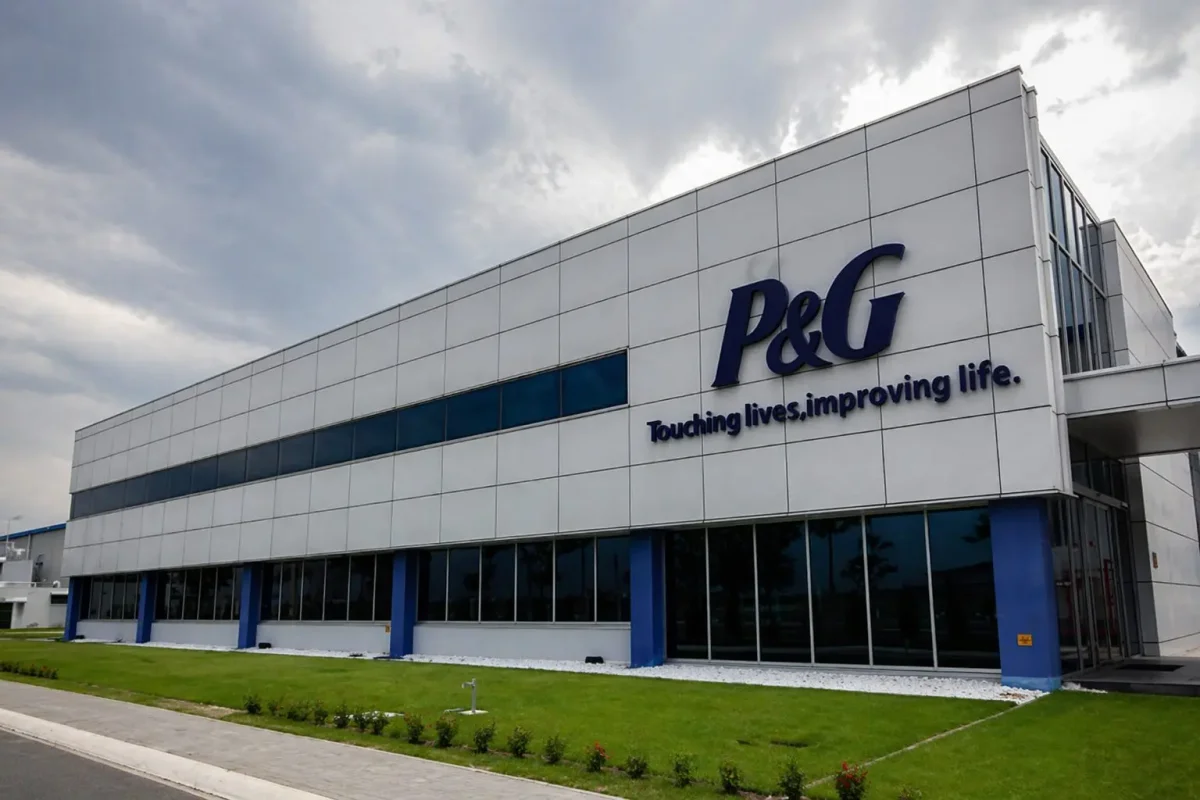
Procter & Gamble (NYSE: PG) delivered stronger-than-expected fiscal third-quarter results on Friday, powered by a rebound in demand for beauty and hair-care products. However, the consumer goods giant tempered the upbeat report with a caution that rising commodity and tariff costs—linked to the ongoing Middle East conflict—will pressure earnings in the next fiscal year.
Quarterly Performance
For the quarter ended March 31, P&G reported net sales of $21.2 billion, a 7% increase year-over-year, topping the $20.50 billion consensus from LSEG. Core earnings per share came in at $1.59, up 3% and above the $1.56 Reuters poll estimate. Organic sales, which strip out currency, acquisitions, and divestitures, rose 3%—the strongest organic growth in over a year and ahead of all analyst forecasts tracked by Bloomberg.
Volume growth returned, with organic volume up 2%. Beauty led the way with a 5% volume increase, driving a 7% rise in beauty organic sales, supported by hair care, personal care, and skin care. Grooming and health-care volumes slipped, but all 10 product categories posted organic sales gains.
Cost Pressures and Guidance
Despite the solid top-line performance, P&G flagged significant headwinds. The company expects an after-tax hit of approximately $150 million from commodities in fiscal 2026, with tariff expenses adding another $400 million. These are partly offset by a $200 million benefit from foreign exchange, resulting in a net 25-cent drag on per-share earnings. CFO Andre Schulten told CNBC that every $10 move in oil prices near $100 per barrel would add roughly $1 billion in after-tax costs for the full year.
Gross margin contracted 1.5 percentage points year-over-year, while core gross margin slipped 1 point, pressured by unfavorable mix, reinvestments, tariffs, and higher commodity costs. Productivity gains and price increases partially mitigated the decline.
P&G now expects fiscal 2026 earnings to land at the low end of its previously stated range of $6.83 to $7.09 per share, though the range itself remains unchanged. The company also reaffirmed its fiscal 2026 sales growth outlook of 1% to 5% and plans for approximately $10 billion in dividends and $5 billion in share buybacks.
Market Reaction and Industry Context
Shares of P&G rose about 2% in premarket trading on Friday, as investors appeared to focus on the beat rather than the warning. The results stand in contrast to some peers: Nestle has flagged higher costs tied to the Strait of Hormuz blockade, while L'Oreal reported solid premium hair care and fragrance sales in North America and Europe. Beiersdorf has not ruled out further price hikes if commodity costs continue to climb.
The company declined to provide fiscal 2027 guidance, and a spokesperson noted that if the conflict persists, cost pressures could intensify as early as the first quarter of fiscal 2027. The timeline for tariff refunds remains unclear.
Outlook
CEO Shailesh Jejurikar described the quarter as a “solid acceleration” in top-line growth and emphasized plans to boost investment despite the challenging geopolitical and economic environment. With volume growth returning and a strong pipeline of innovation, P&G aims to navigate the cost headwinds while maintaining its commitment to shareholder returns.