Shares of POET Technologies experienced a significant upward move, climbing 19.3% to close at $10.25 on Tuesday. This advance followed an 18.3% gain on Monday, marking a sharp recovery from recent pressure. The rally reflects a renewed investor focus on the company's core initiative of developing optical engines for artificial intelligence data centers, overshadowing a critical short-seller report that had previously weighed on the stock.
Addressing Investor Concerns
The recent volatility stemmed from tax-related apprehensions rather than issues with POET's technology. Last week, the company moved to assuage these fears by announcing it would provide U.S. investors with the necessary documentation to file a Qualified Electing Fund (QEF) election. This step is designed to mitigate potential tax complications associated with Passive Foreign Investment Company (PFIC) classification. Furthermore, POET's board authorized plans to potentially relocate the company's headquarters and legal domicile to the United States.
Chief Financial Officer Thomas Mika stated that POET does not anticipate being classified as a PFIC for the 2026 tax year. Should a formal redomiciling require shareholder approval, a vote could be scheduled for the annual and special meeting on June 26. This direct response helped alleviate the primary concern highlighted in a report by Wolfpack Research.
Management Commentary Fuels Optimism
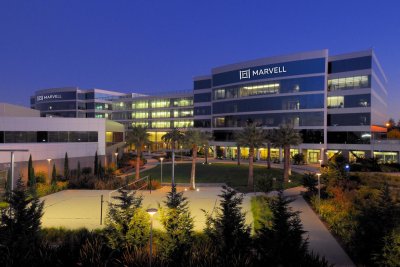
Additional remarks from the CFO provided further impetus for the stock's rebound. On Tuesday, Mika characterized the PFIC warning as inconsequential. More importantly, he confirmed that POET has secured a purchase order linked to Marvell Technology, with shipments potentially commencing as early as the next quarter. Regarding other potential partners, Foxconn and Luxshare, the company is still awaiting responses.
The critical question for investors remains the materialization of these orders. In March, Chairman and CEO Suresh Venkatesan described the period as a "decisive transition from development to execution." The company has bolstered its financial position with $375 million from recent financings, holds approximately $430 million in cash, and has secured a production order exceeding $5 million for its Infinity optical engines. POET projects shipping more than 30,000 optical engines this year.
Market Context and Strategic Partnerships
The demand driver for POET's technology is clear. AI data centers are urgently seeking faster optical interconnects that transmit data using light instead of electrons, a shift essential for handling immense computational workloads. Marvell Technology recently completed its acquisition of Celestial AI in February, highlighting the strategic importance of this sector.
POET is actively engaging with key industry players. The company noted that Luxshare is developing designs incorporating POET's 800G receive engine, while Foxconn has expressed interest in 800G transmit samples. In a significant March announcement, POET expanded its collaboration with Lessengers, aiming to develop 1.6-terabit transceivers for AI clusters and hyperscale data centers. As Chief Revenue Officer Raju Kankipati emphasized, "AI infrastructure is driving rapid increases in optical bandwidth requirements."
Financial Performance and Risks
Despite the optimistic developments, POET's financial risk profile remains pronounced. The company reported fourth-quarter revenue of just $341,202 alongside a net loss of $42.7 million. Management has cautioned that future results could still fall short of expectations due to potential issues with product performance, weaker-than-anticipated sales, or operational challenges.
Upcoming Catalysts
Several key milestones are on the horizon. POET and Lessengers are targeting the second quarter to have samples of their 1.6T optical module ready. POET also expects to begin mass production of its light-source products in the same quarter, with 800G optical engines scheduled to follow in the third quarter. The potential shareholder vote on the redomicile plan at the June 26 meeting adds another near-term event for investors to monitor.