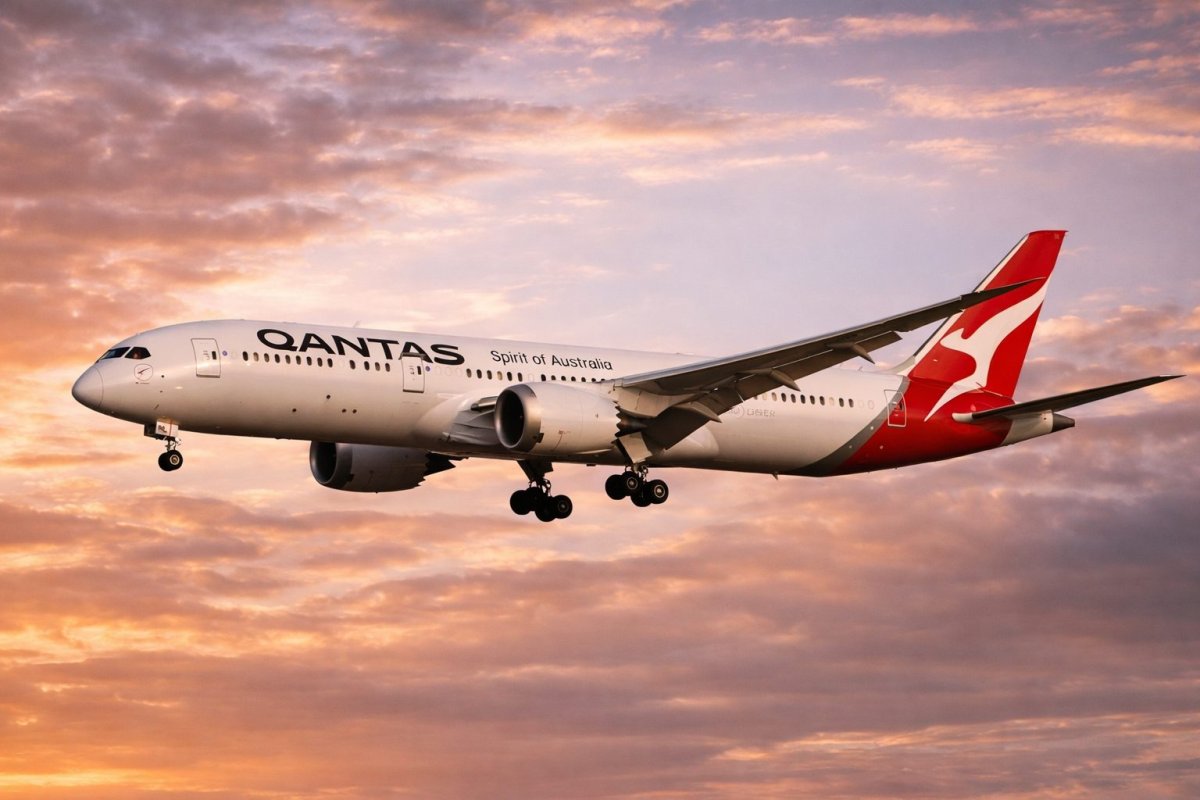
Shares of Qantas Airways Ltd retreated on Wednesday, closing 2.7% lower at A$8.99, as the broader airline sector faced renewed selling pressure. The decline came amid a significant uptick in global oil prices, which directly impacts carrier profitability through increased jet fuel expenses. During the trading session, the stock dipped to an intraday low of A$8.94 before paring some losses, ultimately finishing A$0.25 below Tuesday's closing price according to LSEG data.
Fuel Hedging Provides Some Shelter
In response to the volatile energy market, Qantas CEO Vanessa Hudson pointed to the airline's "pretty good" fuel hedging strategy as a mitigating factor. The company disclosed last week that it has hedged 81% of its anticipated fuel requirements for the second half of its financial year, which concludes on June 30. Hedging involves locking in fuel prices through forward contracts, acting as a financial buffer against market spikes. However, Hudson acknowledged the crude price increase remains a significant challenge for the industry, especially as key aviation hubs in the Gulf region, including Dubai, remained closed for a fourth consecutive day due to regional conflict.
Broader Airline Sector Under Pressure
The pressure was not isolated to Qantas. Asian carriers also felt the strain, with Japan Airlines shares sliding 6.4% and Korean Air dropping 10.3% on Tuesday. Cathay Pacific fell approximately 3%. Analysts note that investor reaction to the oil-driven turmoil will hinge on critical differences between airlines, particularly the level of fuel hedging coverage and operational flexibility for rerouting flights. J.P. Morgan analyst Karen Li emphasized that these "important differences" will dictate individual stock performance.
Oil Market Dynamics
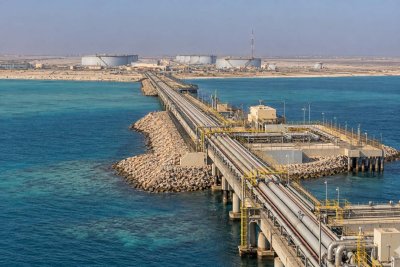
The catalyst for the sector-wide decline was a sharp rebound in crude oil benchmarks. Brent crude futures rose 1.4% to $82.57 a barrel, while U.S. West Texas Intermediate (WTI) crude gained 1.6% to $75.28, halting a three-day slide. The price surge was attributed to the market pricing in potential supply threats stemming from escalating geopolitical tensions in the Middle East. "Geopolitics has clearly overtaken" fundamentals, stated Priyanka Sachdeva, a senior market analyst at Phillip Nova. Analysts at ING echoed this view, noting that current prices reflect anticipated supply disruptions, though they argued actual physical supply losses would be necessary to sustain a higher price floor.
Operational and Financial Risks
While hedging offers protection, it is not a complete insurance policy. Airlines face compounded risks when flights are grounded or routes are extended to avoid conflict zones, leading to higher operational costs even with hedged fuel. Furthermore, the industry's ability to pass these increased costs onto consumers through higher ticket prices without dampening travel demand remains a key uncertainty for investors. The situation deteriorates if travel demand softens; extended flight paths increase fuel burn, operational disruptions trigger refund obligations, and attempted fare hikes could coincide with a pullback in discretionary travel, swiftly squeezing airline margins.
Capital Return Program Details
Amid the market volatility, Qantas is proceeding with its capital return initiatives. The company's board has approved a fully franked interim dividend of 19.8 Australian cents per share, which carries Australian tax credits for eligible shareholders. The record date for this dividend is set for March 11, with a payment date of April 15, pending final board approval. Alongside the dividend, Qantis plans an on-market share buyback of up to A$150 million.
Buyback Schedule and Flexibility
According to its ASX statement, Qantas has targeted March 16 as the commencement date for its share buyback program, which is scheduled to run through December 31. The company retains the option to adjust, pause, or terminate the buyback ahead of schedule if market conditions or corporate needs change. The airline has not released any new price-sensitive announcements to the ASX since publishing its half-year results and capital return details on February 26. Investors are now weighing the supportive effect of the buyback against the persistent headwind of elevated fuel costs linked to ongoing geopolitical instability.