Europe's primary natural gas benchmark retreated slightly on Friday but held close to its highest level in three years, following a significant disruption to global liquefied natural gas supplies from a key Middle Eastern export hub. The April Dutch Title Transfer Facility (TTF) contract settled at 59.255 euros per megawatt-hour, marking a 4.2% decline after a dramatic 35% surge the previous session.
Qatar Facility Damage Sends Shockwaves
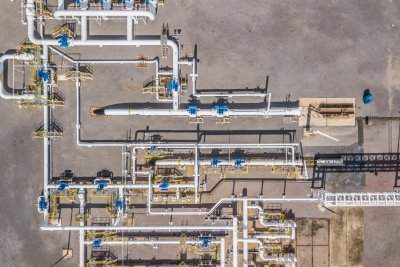
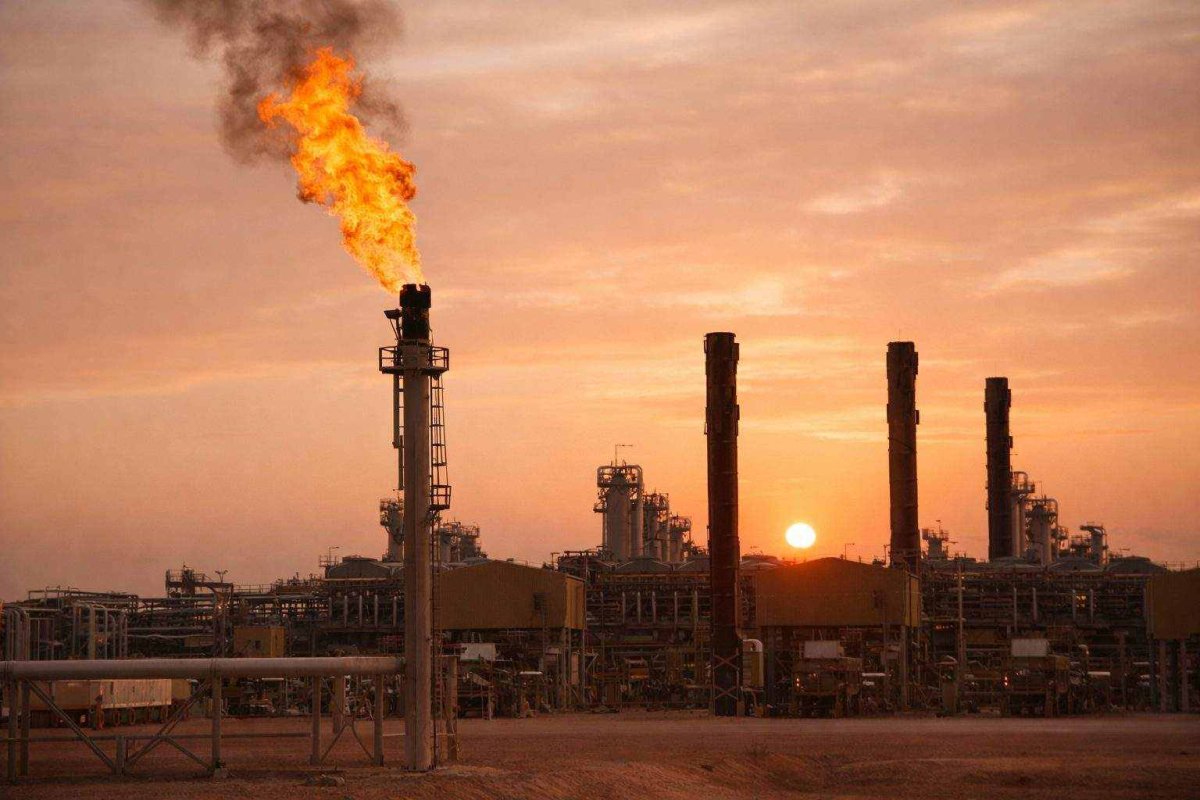
The market volatility stems from direct strikes on Qatar's massive Ras Laffan LNG complex. State-owned QatarEnergy has indicated that approximately 17% of the nation's total LNG export capacity, equating to 12.8 million tonnes annually, could be offline for an extended period of three to five years. The damage specifically targeted the "cold boxes" on two major liquefaction trains, which are critical for super-cooling natural gas into a liquid state for ocean transport.
This supply shock arrives at a precarious moment for global energy markets. European gas prices have already doubled compared to levels preceding the outbreak of regional conflict on February 28. The latest disruption threatens to exacerbate an already tense situation, forcing policymakers into action.
Global Scramble for Alternatives
The immediate fallout has triggered a worldwide search for alternative fuel sources. Italy has entered discussions with the United States, Azerbaijan, and Algeria to secure additional gas volumes. Meanwhile, India, which sources roughly 41% of its LNG from Qatar, has warned of significant market tightness. Force majeure clauses have already been invoked on certain supply contracts, legally suspending deliveries due to circumstances beyond sellers' control.
"We are now firmly heading toward a doomsday gas-crisis scenario," warned Saul Kavonic, an energy analyst at MST Financial. Charu Chanana, chief investment strategist at Saxo Bank in Singapore, noted that the conflict has moved beyond headline risk and is now directly striking "the plumbing of the global energy system."
Market Winners and Structural Shifts
Investors have rushed to position themselves with major LNG exporters outside the affected region. Shares of U.S.-based Cheniere Energy (LNG) soared to a record $285 on Thursday, while Venture Global LNG's stock jumped as much as 13%. Analysts suggest the market upheaval could redirect business to suppliers in the United States, Australia, and Africa for years to come.
Tom Marzec-Manser of Wood Mackenzie highlighted this structural shift. A more severe risk, flagged by Ira Joseph, is potential damage to Qatar's ongoing North Field expansion project. Such an event would force a permanent, structural adjustment higher for global LNG prices. Other U.S. projects, like those from NextDecade, are now being scrutinized as potential alternative supply sources.
Policy Response and Inflation Fears
European Union leaders are not standing idle. They have urgently called on the European Commission to draft temporary relief measures, which could include tax reductions, lowered grid charges, and targeted state aid for impacted industries and consumers. The energy price surge also has central bankers on alert.
Francois Villeroy de Galhau, a policymaker at the European Central Bank, signaled the institution's readiness to act if soaring oil and gas prices translate into persistently higher inflation, stating the ECB has its "hands ready to act."
A Prolonged Era of High Prices
Traders and energy executives gathering for the upcoming CERAWeek conference in Houston largely view this as more than a short-term spike. With roughly 20% of the world's oil and LNG shipments transiting the nearby Strait of Hormuz, the geopolitical risk premium is expected to linger long after active conflict subsides. The multi-year repair timeline for Qatar's facility underpins expectations for sustained market tightness.
While markets brace for continued pain, some are also probing potential relief valves. Oil prices ended Friday higher after a volatile session, with traders weighing the possibility of coordinated strategic petroleum reserve releases and potential sanctions relief for Iranian crude exports. Any broad-based easing in energy markets could marginally cool natural gas prices, though it would not fill the substantial supply gap left by Qatar's damaged infrastructure.