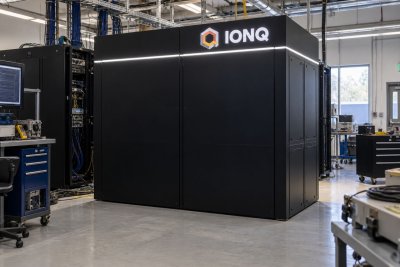
Quantum computing stocks experienced a significant surge in premarket trading on Thursday, following a report that the Trump administration is set to allocate $2 billion in grants to nine companies in the sector. The news, initially reported by Reuters citing the Wall Street Journal, sent shares of several quantum-focused firms higher, though IonQ (NYSE: IONQ) was notably absent from the list of recipients.
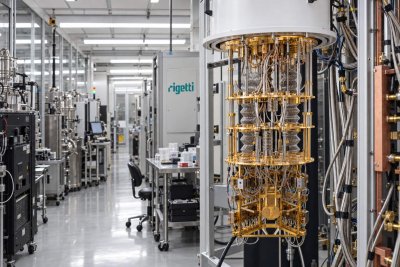
IonQ shares climbed approximately 8% to $52.47 before the opening bell, adding to a volatile period for the company. The broader quantum computing space gained momentum as investors reacted to the government's substantial financial commitment, which includes equity stakes in some of the funded deals. Recipients named in the report include IBM, D-Wave Quantum, and Rigetti Computing.
IonQ's Recent Performance and Challenges
Despite the positive premarket move, IonQ faces scrutiny over its valuation and the ability to convert its commercial pipeline into sustained revenue. The company recently reported first-quarter revenue of $64.7 million, a staggering 755% year-over-year increase, and raised its 2026 revenue guidance to a range of $260 million to $270 million. However, the stock had dropped 13.3% on May 19, even after the upgraded forecast, as noted by Simply Wall St.
IonQ's remaining performance obligations, a backlog-style metric of contracted but unbooked revenue, stood at $470 million. The company noted that approximately 60% of its revenue came from commercial customers, with 35% from international clients and an equal percentage from multi-product customers.
Merger and Acquisition Activity
Acquisition hopes remain a key driver for bullish investors. SkyWater Technology shareholders approved the merger with IonQ on May 8, but the deal is pending regulatory approval and other closing conditions. SkyWater expects the transaction to close in the second or third quarter of 2026. IonQ has also been active in expanding its technology portfolio, completing the acquisition of Skyloom Global in January and Oxford Ionics in September 2025, which added trapped-ion technology and a UK presence.
However, integration costs and spending could outpace results. IonQ's valuation has reached 103 times trailing revenue, and the company continues to report adjusted losses, guiding to a full-year adjusted EBITDA loss of $310 million to $330 million.
Analyst and Investor Sentiment
Analyst sentiment remains mixed. D.A. Davidson's Alex Platt told Reuters that while there were high expectations going into the earnings report, skepticism persists regarding IonQ's trapped-ion qubits and overall strategy. CEO Niccolo de Masi stated that profitability is not a primary goal for this year, with the company prioritizing revenue growth and research spending.
On a more positive note, IonQ is the only quantum stock on Julia Ostian's radar following a ratings upgrade in her Seeking Alpha article on May 20. She highlighted IonQ's move toward a vertically integrated model in computing, networking, and related areas but cautioned that the valuation is high-risk, trading at 67 times forward sales.
Professional investors have also taken notice. MarketBeat reported that CloudAlpha Capital Management purchased 54,102 shares of IonQ in the fourth quarter, valued at approximately $2.43 million, bringing institutional ownership to 41.42%.
Outlook and Key Milestones
Looking ahead, IonQ faces several critical milestones: converting its backlog into recognized revenue, completing and integrating the SkyWater merger, and proving its technology roadmap can compete as government funding boosts rivals. The quantum computing sector, while promising, continues to grapple with technical challenges related to qubit stability and error rates, which have kept some investors cautious about near-term revenue growth.
As the U.S. government's $2 billion initiative underscores its commitment to advancing quantum technology, IonQ's ability to navigate these hurdles will be closely watched by the market.