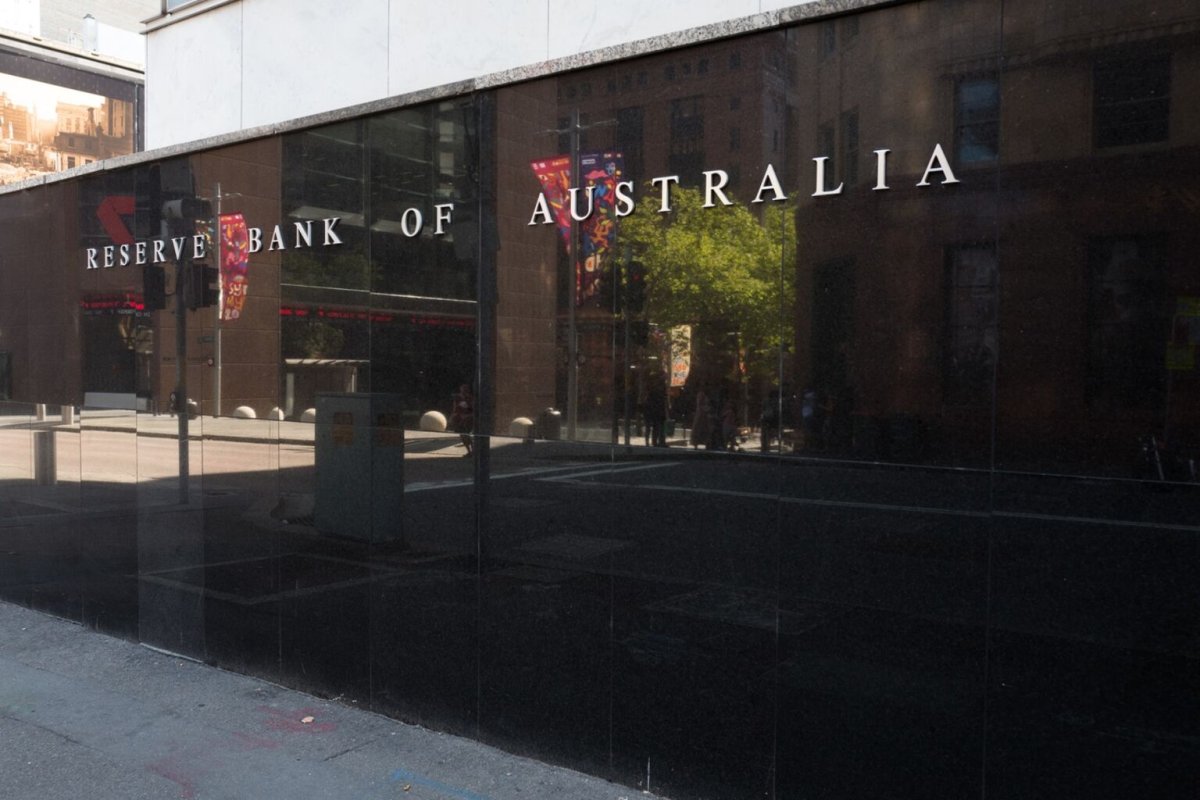
The Reserve Bank of Australia (RBA) is set to announce its next interest-rate decision on September 29 at 2:30 p.m. AEST, but the crucial August consumer price index (CPI) data will not be published until the following day. This timing gap leaves the central bank's board to weigh the latest inflation trends against a backdrop of mixed signals.
July's annual CPI inflation eased to 3.5% from 3.8% in June, according to the Australian Bureau of Statistics (ABS). However, the trimmed-mean measure—which strips out volatile items—remained unchanged at 3.6%. Both figures stay above the RBA's target band of 2% to 3%. The cash rate currently stands at 4.35% after three increases totaling 75 basis points earlier this year.
Market Reaction and Underlying Pressures
Australian equities showed weakness during Tuesday's session, with the S&P/ASX 200 slipping 0.66% to 8,683.6 by 1:52 p.m. AEST. The Australian dollar also softened, trading near US$0.7122, down 0.27%. These moves likely reflect broader global risk sentiment and commodity price fluctuations rather than a direct response to the two-week-old CPI release.
Breaking down the inflation components, housing remains the largest contributor, rising 5.0% year-on-year. New-dwelling prices climbed 5.7% as builders passed on higher material and labor costs. While higher interest rates can dampen housing demand, they do little to directly reduce the cost of timber, concrete, or construction labor. Restrictive credit conditions may also discourage new supply, prolonging price pressures.
Food and non-alcoholic beverages advanced 3.2% over the year, with meals out and takeaway food up 4.5%. The ABS attributes this to higher operating and ingredient costs, as well as the July minimum-wage increase. Monetary policy can temper restaurant demand, but the pass-through from wages and food inputs is less immediate.
Automotive fuel prices surged 7.5% in July, driven by rising global oil prices and the partial unwinding of the federal fuel-excise relief. The RBA cannot influence oil production or tax policy; its only tool is to cool demand elsewhere to prevent these cost shocks from becoming entrenched in wages and expectations.
Why the Trimmed Mean Matters
The trimmed-mean inflation rate, which excludes unusually large price swings, remained at 3.6%—a signal that underlying price pressures persist. Non-tradable inflation stood at 4.4%, and services inflation at 3.7%, indicating the problem extends beyond imported fuel costs. On a seasonally adjusted monthly basis, July CPI rose 0.6%.
Looking ahead, the RBA's decision will be informed by several key data releases. On September 18, Governor Michele Bullock and senior officials will appear before Parliament's economics committee. The August labour-force report is due on September 24, and household-spending data will arrive on September 29, just three hours before the rate decision. The August CPI, released on September 30, will come too late for the board's meeting.
Hold vs. Hike: The Case for Each
The case for holding rates is credible: headline inflation has slowed, the unemployment rate rose to 4.5% in July, and the RBA already described financial conditions as restrictive in August. A further increase would raise mortgage costs and could weigh on rate-sensitive sectors of the equity market.
However, the underlying data tells a different story. When the board held the cash rate on August 11, it noted the economy remained above capacity, the labour market was still tight, and domestic spending and investment were resilient. Trimmed-mean inflation has not improved since that meeting, suggesting that persistent services and domestic price pressures may outweigh the recent headline slowdown.
The market faces two decision points, not one. A hold with firm language on September 29 would keep another increase in play, leaving bank shares, property stocks, bond yields, and the Australian dollar sensitive to the September 30 CPI. Alternatively, a hike would signal that the RBA prioritizes tackling sticky underlying inflation. Either way, the inflation report arriving just one day after the decision will likely challenge the board's judgment.