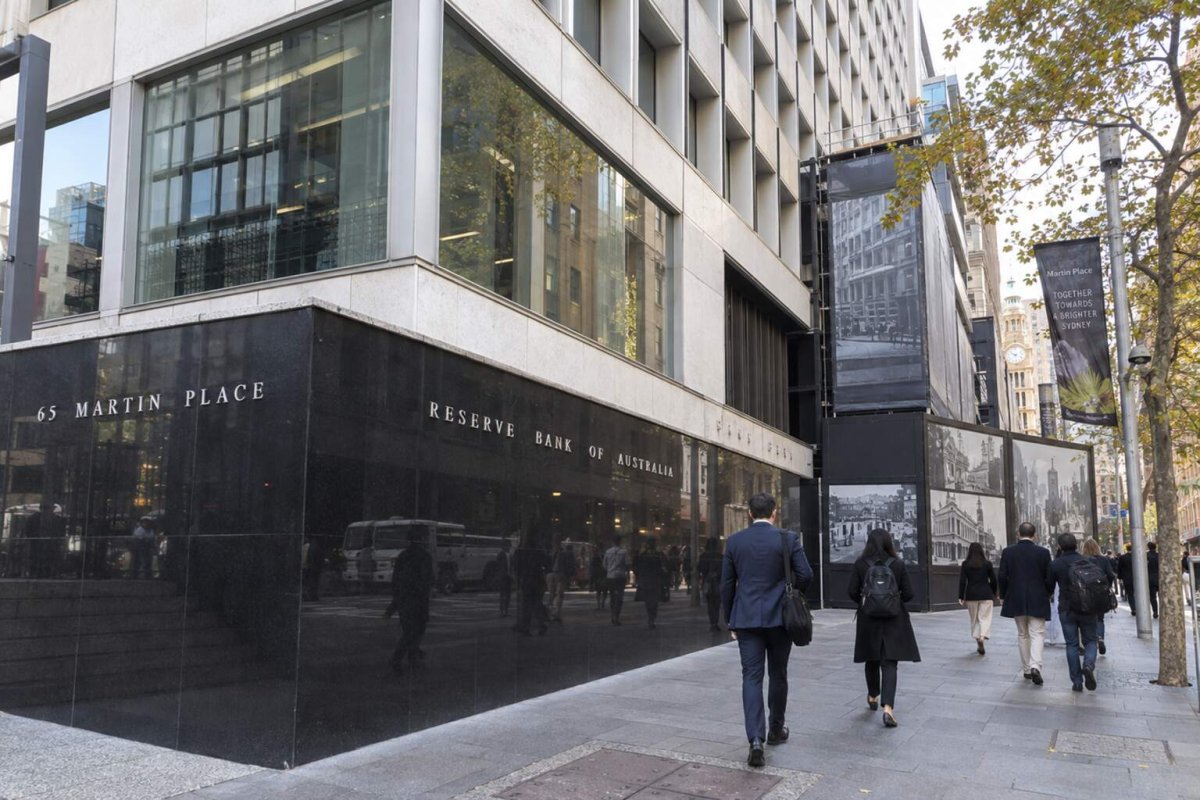
Australian financial markets are now pricing in a 74% probability that the Reserve Bank of Australia (RBA) will raise its cash rate by 25 basis points on September 29, according to LSEG data. This marks a significant shift from the August meeting, where the odds of a hike by year-end were seen at only around 50%. However, Deputy Governor Andrew Hauser has pushed back against the notion that a September move is inevitable, emphasizing that the decision remains open.
The distinction between a high-probability event and a certainty matters for investors across asset classes. The Australian dollar, bank shares, and short-dated bonds have all moved in anticipation of a hike, and a surprise hold could trigger sharp reversals. Hauser, in an interview with ABC's 7.30 program, highlighted three upside risks to inflation: the Middle East crisis, an AI-driven global boom, and weak supply capacity domestically. Yet he refused to pre-commit, noting that all nine board members will debate the evidence.
Inflation and Growth Data: A Mixed Picture
Recent data provides ammunition for both hawks and doves. Headline CPI rose 3.5% in the year to July, down from 3.8% in June, while trimmed-mean inflation held at 3.6%. Non-tradables inflation—a key measure of domestic price pressures—was 4.4%, with housing costs up 5.0% and services prices up 3.7%. These figures suggest underlying inflation remains sticky, supporting the case for further tightening.
On the growth front, June-quarter GDP expanded 0.4% quarter-on-quarter and 2.1% year-on-year, which Hauser described as roughly around trend. Unemployment remains near historical lows, providing no obvious reason for the RBA to hold off. However, the full impact of the three rate hikes delivered earlier this year may not yet be felt in spending and employment, a key argument for patience.
The Data Calendar: A Critical Gap
The RBA's decision will be made before the next inflation report. The Monetary Policy Board meets on September 28-29, with the statement due at 2:30 p.m. Sydney time on the second day. August CPI is scheduled for release on September 30, meaning the board will not have that data. The most important domestic release before the vote is the August labor-force report on September 24. A soft employment print would strengthen the case to hold, while continued resilience would support a hike.
Global factors could also play a decisive role. Brent crude was trading around $99.36 a barrel in a September 9 snapshot, reviving energy-cost concerns just as the RBA tries to anchor inflation expectations. A sharp oil price reversal or a new geopolitical shock could alter the board's risk assessment before any new CPI data arrives.
Market Pricing: Yields, Currency, and Equities
Australian three-year government-bond yields were near 4.78% on Wednesday, with the 10-year at about 5.19%. The Australian dollar was around US$0.7217 and hit NZ$1.232, its strongest level against the kiwi since April 2013, reflecting divergent policy expectations between the RBA and the Reserve Bank of New Zealand. This leaves the Aussie vulnerable to a sharp sell-off if September ends without a hike and the statement does not clearly signal a November move.
For equities, the impact is less direct. Higher rates typically pressure property, retail, and leveraged companies, while banks may benefit from higher asset yields if deposit costs and credit losses stay contained. The S&P/ASX 200 was down 0.2% at 8,903.20 on Wednesday, weighed by oil near $100 and weaker U.S. markets, but the rate decision is just one of several forces driving the index.
The Case for Holding: Patience vs. Risk
The strongest argument against a September hike is the lag effect of monetary policy. The RBA has already raised rates by 75 basis points this year, and the full impact on spending and employment has yet to materialize. House prices have weakened and consumer confidence is low, suggesting the economy is cooling. Another increase before observing these effects could amplify a slowdown.
However, waiting for perfect confirmation risks allowing persistent domestic inflation and another energy shock to reset expectations upward. The RBA's own minutes from August noted that financial conditions are restrictive, but the board is wary of moving too slowly if inflation proves stubborn.
Investor Takeaways: Two-Sided Repricing Window
Hauser's comments did not dismiss the case for a hike; they dismissed certainty. With three-quarters of a September move priced, investors should prepare for a two-sided repricing over the next three weeks. Labor market strength, sustained oil pressure, and resilient demand favor a hike; weaker employment, softer global conditions, or clearer evidence that earlier hikes are biting favor a hold.
The September 29 statement will be as important as the rate decision itself. A hold paired with explicit readiness to act in November would send a different signal than a hold emphasizing weaker demand. Similarly, a hike described as sufficient could be less damaging to duration-sensitive assets than one accompanied by concern that further tightening is needed. The next three weeks are set to be a critical period for Australian markets.