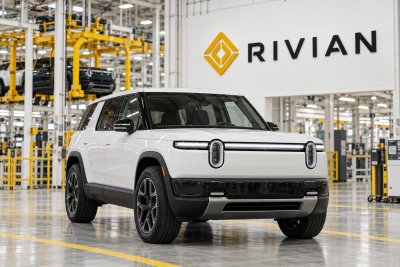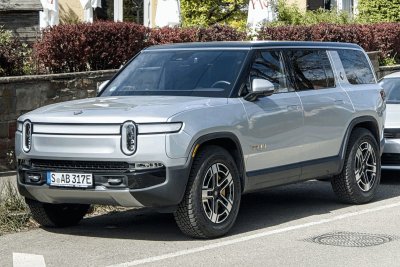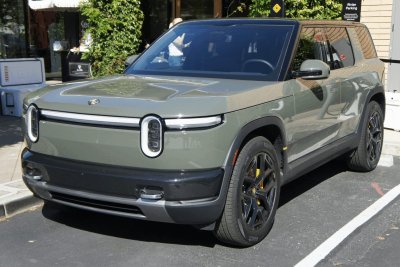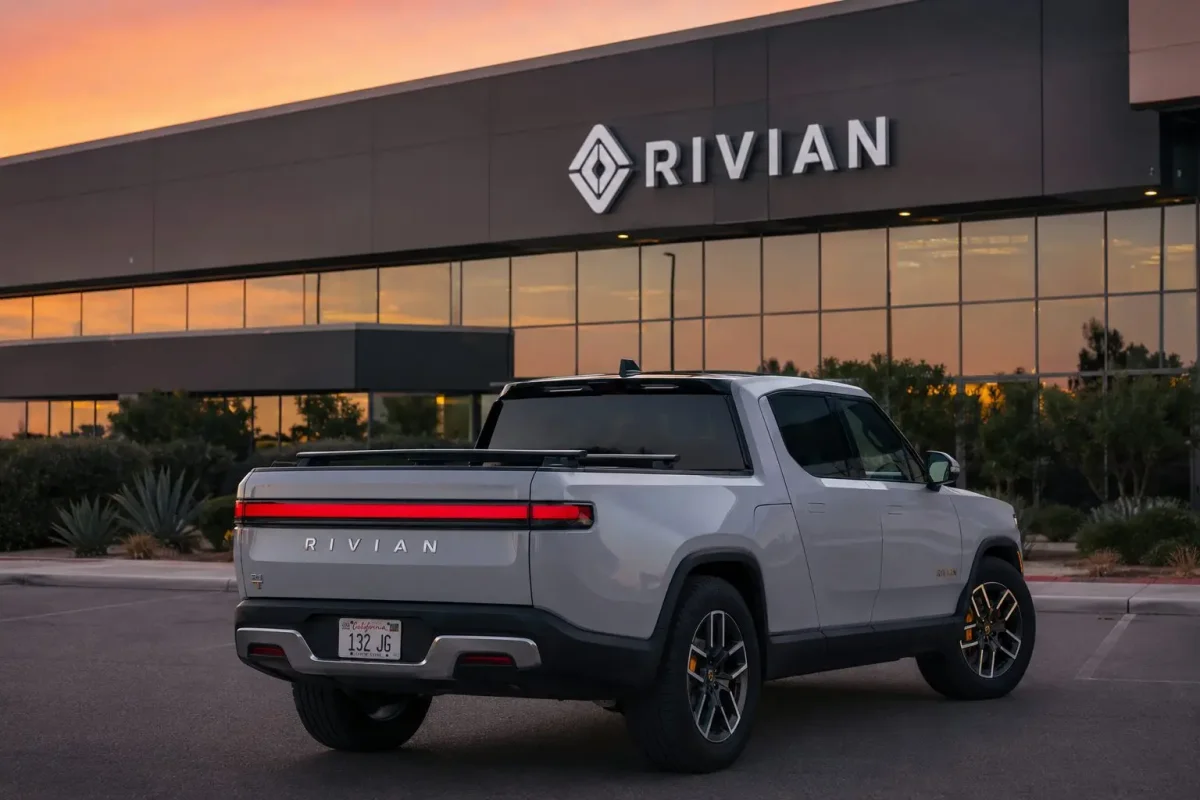
Rivian Automotive (NASDAQ: RIVN) saw its stock climb 4.0% during Monday's regular trading session, closing at $16.48, after receiving an analyst upgrade from Piper Sandler. The shares edged up an additional 0.3% in after-hours trading, reflecting continued investor optimism ahead of the company's second-quarter earnings report, scheduled for release after Thursday's market close.
Piper Sandler analyst Alexander Potter upgraded Rivian to Overweight from Neutral, raising the price target to $20 from $18. The upgrade was driven by expectations of a smoother production ramp for the R2 model and an improved demand outlook. Potter highlighted a de-risked balance sheet and called the R2 ramp smooth, projecting approximately 21% upside from Monday's close.
Rivian's delivery targets remain a key focal point. The company reported 22,559 deliveries in the first half of 2026. To meet its full-year goal of 65,000 to 70,000 deliveries, Rivian needs to deliver between 42,441 and 47,441 vehicles in the second half. This implies an average of 21,221 to 23,721 deliveries per quarter, representing a 74% to 94.5% increase over the second quarter's 12,194 deliveries. The second-quarter deliveries already surpassed the company's projected range of 9,000 to 11,000, partly due to the inclusion of the first R2 vehicles, which began deliveries in late April.
Monday's gains only partially offset last week's decline. Rivian dropped 9.2% from July 17 to July 24, and is still trading 5.6% below its July 17 closing price. The stock currently sits only 6.3% above Rivian's latest offering price of $15.50, following the issuance of 86.25 million shares (including the full underwriters' option), which generated estimated net proceeds of $1.32 billion. While the sale eased immediate funding pressures, it increased the share count, and Thursday's report will need to demonstrate how the additional capital is being deployed.
For the second quarter, Rivian has projected revenue between $1.55 billion and $1.65 billion, exceeding the $1.45 billion estimate from LSEG as of July 6. Preliminary cash at quarter-end stood at $5.3 billion. However, profit margins remain a critical concern. Rivian reported a consolidated gross profit of $119 million for the first quarter, but its automotive division continued to show a gross loss of $62 million.
Key risks center around R2 production volumes, product quality, pricing, and the rate of cash consumption. If the ramp-up slows, the shortfall versus guidance could increase, raising the risk of renewed dilution concerns. The July 30 earnings call will serve as a crucial reference point, as Rivian must demonstrate its ability to deliver more than 21,000 vehicles in a quarter without exacerbating automotive losses.