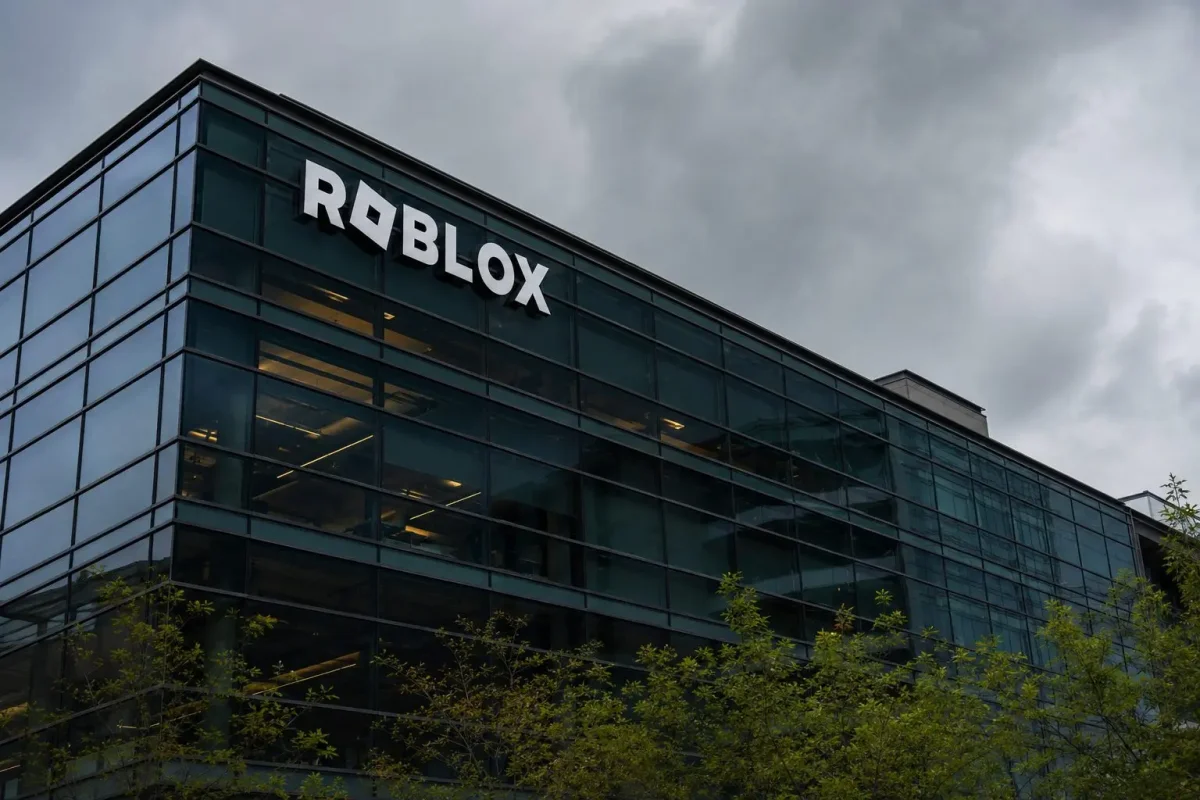
Roblox (NYSE: RBLX) saw its shares recover on Friday, climbing 4.9% and closing the week up 6.2%, slightly outperforming the Nasdaq Composite's 5.2% gain. The rebound comes as part of a broader tech sector rally, but it does little to offset the steep losses following the company's second-quarter earnings report. Shares remain 22.4% below their July 30 close, the day before results were announced, and stand roughly 73% below their 52-week peak of $142.00.
Bookings Growth Masks Per-Payer Decline
While total bookings rose 8% year over year to $1.557 billion in the second quarter, the number of monthly unique payers jumped 15% to 27 million. This implies that bookings per payer fell by approximately 6.1%, based on rounded figures. Although this metric is not an official company-reported KPI, it highlights a critical challenge: the platform is attracting more paying users, but each one is spending less on average.
Management attributed part of the decline to changes in the "Recommended for You" algorithm, which now prioritizes games with higher retention over those that drive immediate monetization. The effect was most pronounced among younger users in the United States and Canada. CEO David Baszucki noted that internal data showed "a positive lift in quality," while CFO Naveen Chopra warned that "monetization weakness is likely to continue."
Audience Growth Continues, but Engagement Metrics Lag
Despite the monetization concerns, Roblox's user base continues to expand. Daily active users (DAUs) grew 10% year over year to 123 million, while hours engaged increased just 5% to 29 billion. The implied hours per daily user fell 2.2% to around 236, suggesting that while more people are using the platform, they are spending slightly less time on it.
The combination of faster payer growth (15%) compared to DAU growth (10%) and declining bookings per payer points to a yield issue rather than an audience problem. The company is effectively converting more users into paying customers but is struggling to increase the value of each transaction.
Adults Present a Key Growth Opportunity
One bright spot is the adult demographic. Users over 18 now make up 27% of verified daily active users, and daily active U.S. adults surged 32% year over year, with their total hours up 27%. Adults generate over 50% more revenue per user than those under 18, making them a crucial target for future growth.
However, adults still represent a relatively small portion of the overall user base, and the transition will take time. Roblox must focus on improving retention among older users while avoiding the risk of encouraging unsustainable spending among younger players.
Q3 Guidance Disappoints, Cash Flow Pressured
The company's third-quarter outlook underscores the near-term financial impact of its strategic shift. Roblox expects bookings to decline between 14% and 18% year over year, with a midpoint of $1.615 billion—8.8% below the LSEG consensus estimate of $1.77 billion. The company also anticipates fixed-cost deleveraging and increased spending on artificial intelligence infrastructure.
Revenue guidance for Q3 is set at $1.413 billion to $1.490 billion, representing 4% to 10% year-over-year growth. Operating cash flow is projected at $110 million to $175 million, a marked decline from the $318 million reported in Q2, while free cash flow ranges from negative $60 million to positive $5 million, approaching break-even at best.
The gap between revenue and bookings is due to deferred accounting, as most bookings are recognized as revenue over an estimated 27-month payer lifespan. This means that higher spending logged in 2025 will continue to boost revenue in the coming quarters.
Analyst Reactions and Competitive Landscape
Wall Street remains divided on Roblox. Following the earnings report, analysts have adjusted their price targets widely. Oppenheimer reiterated its Buy rating but slashed its target from $82 to $50, while B. Riley Financial cut its target from $80 to $45 but kept a Buy. Wells Fargo lowered its target to $46 from $56, and Barclays trimmed its target to $47 from $60. Macquarie downgraded the stock to Hold, setting a target of $37, down from $80.
According to the latest survey, there are 19 buy, 15 hold, and two sell ratings, with an average price target of $51.03, implying potential upside of roughly 35% from Friday's close. DA Davidson's Wyatt Swanson pointed to steadier gains possible from smaller titles, maintaining a Neutral stance with a $40 target.
Meanwhile, competition in the creator-platform space is intensifying. Microsoft (NASDAQ: MSFT) has identified turning Minecraft into "the world's creator platform" as one of its four main goals, as reported by The Verge. This week's Xbox development highlights the growing rivalry, though no transaction has been reported.
Looking Ahead
With no major corporate earnings scheduled for next week, investors will focus on macroeconomic data. July's consumer inflation figures are due Wednesday, followed by producer prices on Thursday and retail sales on Friday. These reports could influence rate expectations and, in turn, the valuation of growth stocks like Roblox.
The key risk remains whether reduced hourly monetization will persist. If the algorithm changes continue to suppress spending, Roblox may face prolonged revenue headwinds despite its growing user base.