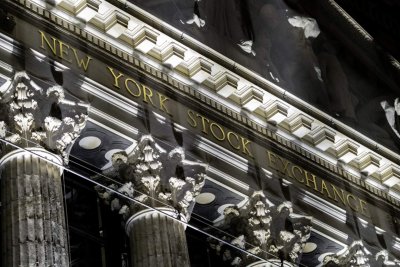
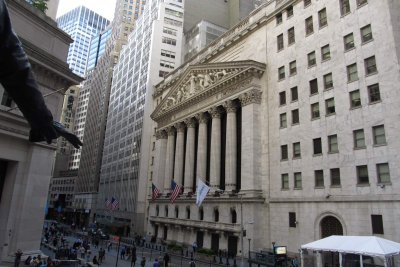
U.S. stocks ended mixed on Thursday, with the Dow Jones Industrial Average edging lower while the broader S&P 500 and the tech-heavy Nasdaq Composite pushed higher. The Dow slipped 38.37 points, or 0.08%, to close at 50,605.91, underperforming its peers after a record-setting session on Wednesday.
The S&P 500 rose 0.58% to 7,563.81, and the Nasdaq Composite gained 0.89% to 26,915.98, as investors rotated into growth stocks amid renewed hopes for a U.S.-Iran ceasefire extension. However, gains were capped by fresh inflation data and a downward revision to first-quarter GDP growth, which reinforced concerns about stagflation.
According to the Bureau of Economic Analysis, the Personal Consumption Expenditures (PCE) price index rose 3.8% year over year in April, while core PCE—excluding food and energy—climbed 3.3%, still well above the Federal Reserve's 2% target. Meanwhile, first-quarter GDP was revised down to an annualized 1.6% from a prior estimate of 2.0%, and core capital goods orders fell 1.1% in April, signaling weaker business investment.
Market Rotation and Sector Performance
The Dow's price-weighted structure made it more vulnerable to declines in high-priced industrial stocks. Among the Dow's losers were Caterpillar, Sherwin-Williams, and Travelers, while Microsoft, IBM, and Nike led gainers late in the session, according to Investing.com data.
Growth stocks outperformed as ceasefire talks buoyed risk appetite. Shares of Eli Lilly climbed after CVS Health moved to restore coverage of Zepbound. Microsoft traded higher following a report that it plans to launch a new coding model. Snowflake gained after raising its annual product revenue outlook and announcing a $6 billion AI infrastructure agreement with Amazon Web Services. Datadog and MongoDB also followed Snowflake higher.
Economic Data and Fed Outlook
The mixed economic data kept markets on edge. Jamie Cox of Harris Financial Group described traders as being on a “hair trigger” regarding inflation. Peter Cardillo, chief market economist at Spartan Capital Securities, characterized the combination of slow growth and rising prices as a “stagflation problem,” which he said increased the odds of a Fed rate hike over a cut.
Despite the macro headwinds, Bill Merz, head of Capital Market Research at U.S. Bank Wealth Management, noted that “growth-oriented assets continue to perform,” and that day-to-day volatility from geopolitics does not alter the steady growth backdrop. Jitania Kandhari, deputy CIO for solutions and multi-assets at Morgan Stanley Investment Management, added that “corporate earnings remain relatively resilient,” and that geopolitical instability may drive increased spending in cybersecurity, defense tech, and energy infrastructure.
Risks Ahead
However, analysts warned of downside risks. If ceasefire talks collapse or energy prices surge, inflation could become entrenched, pushing bond yields higher and threatening the Dow's recent record run. Olu Sonola, head of U.S. economics at Fitch Ratings, called the inflation trend “increasingly uncomfortable for the Fed.”
Thursday's session served as a test of whether the rally could broaden beyond AI-related names. While the S&P 500 and Nasdaq extended their gains, the Dow's slip underscored lingering investor caution amid an uncertain economic and geopolitical landscape.