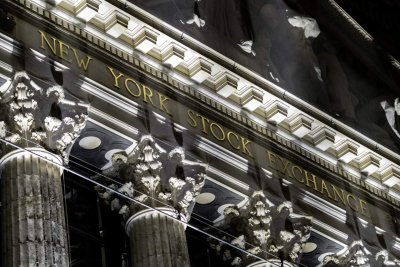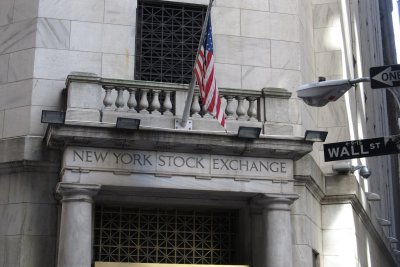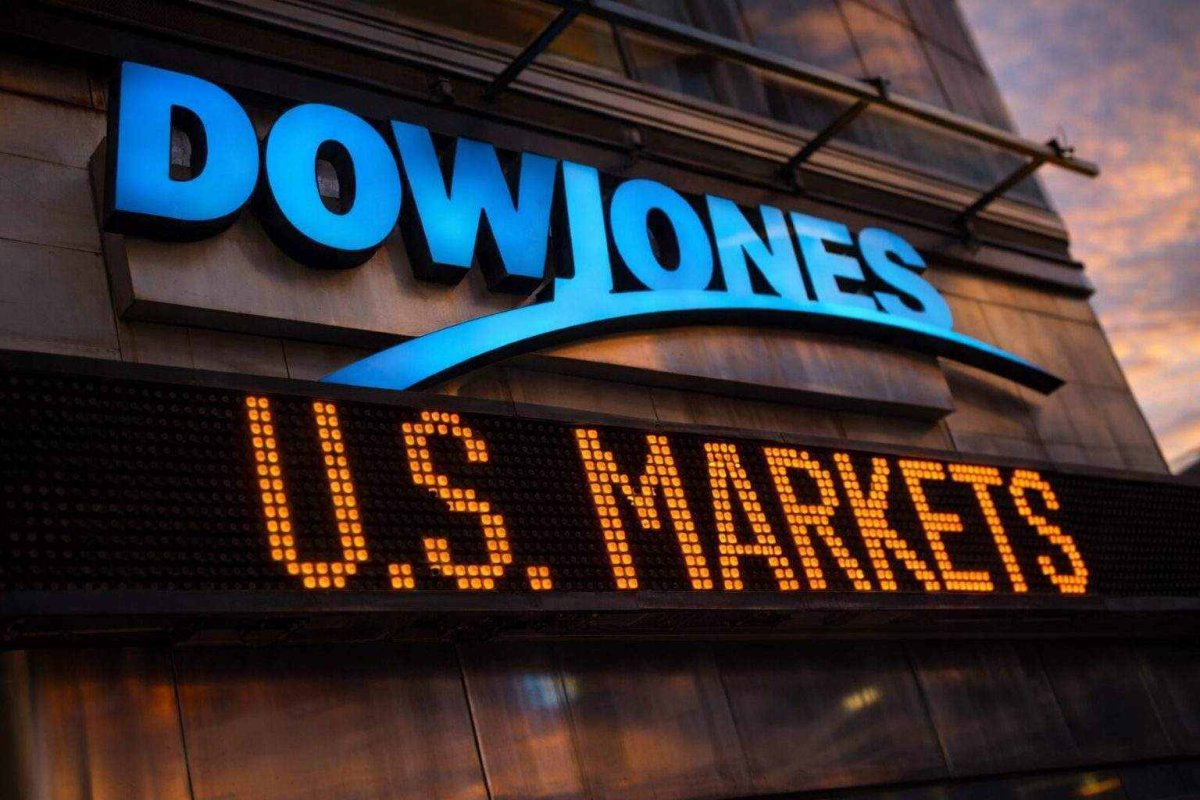
U.S. equity markets presented a mixed picture on Wednesday, April 15, 2026, as the S&P 500 index surged to its first intraday record high since the onset of the U.S.-Iran conflict. The tech-heavy Nasdaq Composite also posted solid gains, climbing nearly 1%. In contrast, the Dow Jones Industrial Average lagged, falling approximately 0.4% by midday trading.
Market Performance and Divergence
As of 11:48 a.m. Eastern Time, the Dow Jones Industrial Average had declined 189.47 points to 48,346.52. The S&P 500 advanced 0.44% to 6,997.86, while the Nasdaq Composite rose 1.05% to 23,886.07. Sector performance was uneven, with technology stocks adding 1.5% and materials pulling back 1.4%.
The divergence highlights the unique composition of the Dow, a price-weighted index of 30 stocks, which gives greater influence to share price rather than a company's total market value. Both the Dow and Nasdaq had entered correction territory—defined as a drop of at least 10% from a recent peak—during the war-fueled market selloff earlier in the year. Wednesday's trading suggested the recovery from those losses remains uneven.
Geopolitical Hopes Fuel Optimism
A key driver behind the market's risk-on sentiment was renewed optimism surrounding potential diplomatic talks between the United States and Iran. U.S. President Donald Trump indicated that negotiations might resume within two days, despite the collapse of weekend discussions in Islamabad. The critical Strait of Hormuz, a maritime chokepoint for roughly one-fifth of the world's oil and gas shipments, remains largely closed. However, analysts noted that equities were displaying confidence that the supply shock could soon abate. David Seif of Nomura observed that U.S. markets showed "a decent amount of confidence" in a near-term resolution.
Banking Sector Delivers Strong Results
Another pillar of support came from another round of impressive quarterly earnings from the financial sector. Bank of America reported a first-quarter net profit of $8.6 billion, or $1.11 per share, surpassing analyst forecasts. The bank's Chief Financial Officer, Alastair Borthwick, expressed optimism about the company's future pipeline.
Morgan Stanley also delivered standout results, posting a record $5.15 billion in equities trading revenue. The firm's investment banking revenue surged 36% year-over-year. David Wagner of Aptus Capital Advisors characterized Morgan Stanley's performance as "a well-rounded beat." This momentum extended beyond these two institutions, following robust reports earlier in the week from JPMorgan Chase and Citigroup. Analysts now project combined first-quarter earnings for the S&P 500 at $605.1 billion, up from an initial estimate of $598.7 billion.
Inflation and Economic Data in Focus
Economic data released Wednesday showed U.S. import prices increased 0.8% in March, a figure below the 2.0% rise economists had anticipated. However, analysts expect a steeper increase for April as the effects of higher oil prices begin to filter into the data. On monetary policy, Cleveland Federal Reserve President Beth Hammack indicated the central bank is in no rush to alter its current stance, leaving the door open for future rate moves in either direction.
The previous trading session saw the Dow rally 317.74 points to close at 48,535.99, its highest level since early March. That gain was fueled by milder-than-expected producer inflation figures and renewed diplomatic hopes. Burns McKinney of NFJ Investment Group cited a fear of "missing the rebound," while Anthony Saglimbene of Ameriprise pointed to markets moving away from a period of "peak uncertainty."
Underlying Risks and Outlook
Despite the day's optimism, significant risks persist. Oil prices remain approximately 31% higher than pre-conflict levels, and no new diplomatic agreement is yet in place. The International Monetary Fund (IMF) revised its 2026 global growth outlook downward to 3.1% in its base scenario, warning that a prolonged conflict could drag growth to 2.5% or even as low as 2.0%. Art Hogan of B. Riley Wealth noted that investors are still awaiting "concrete evidence" that diplomacy is yielding tangible results.
The Dow Jones first closed above the 50,000 milestone in February, during a period when investor attention began broadening beyond the technology sector. After confirming a correction in March, the index has spent weeks recovering but, as of Wednesday, remained around the 48,300 level, not yet leading the broader market rebound.