Investors seeking low-cost exposure to the S&P 500 now have more options than ever, with the cheapest unleveraged ETF charging just 0.02% annually. However, as the index hovers near record levels, the concentration of a few mega-cap stocks has become a critical consideration for portfolio managers.
As of July 30, the top three holdings in the S&P 500—Apple, NVIDIA, and Microsoft—accounted for a combined 20.29% of the index's weight. This heavy concentration means that the performance of these few stocks can disproportionately influence the broader market, a fact that has been underscored by recent trading sessions.
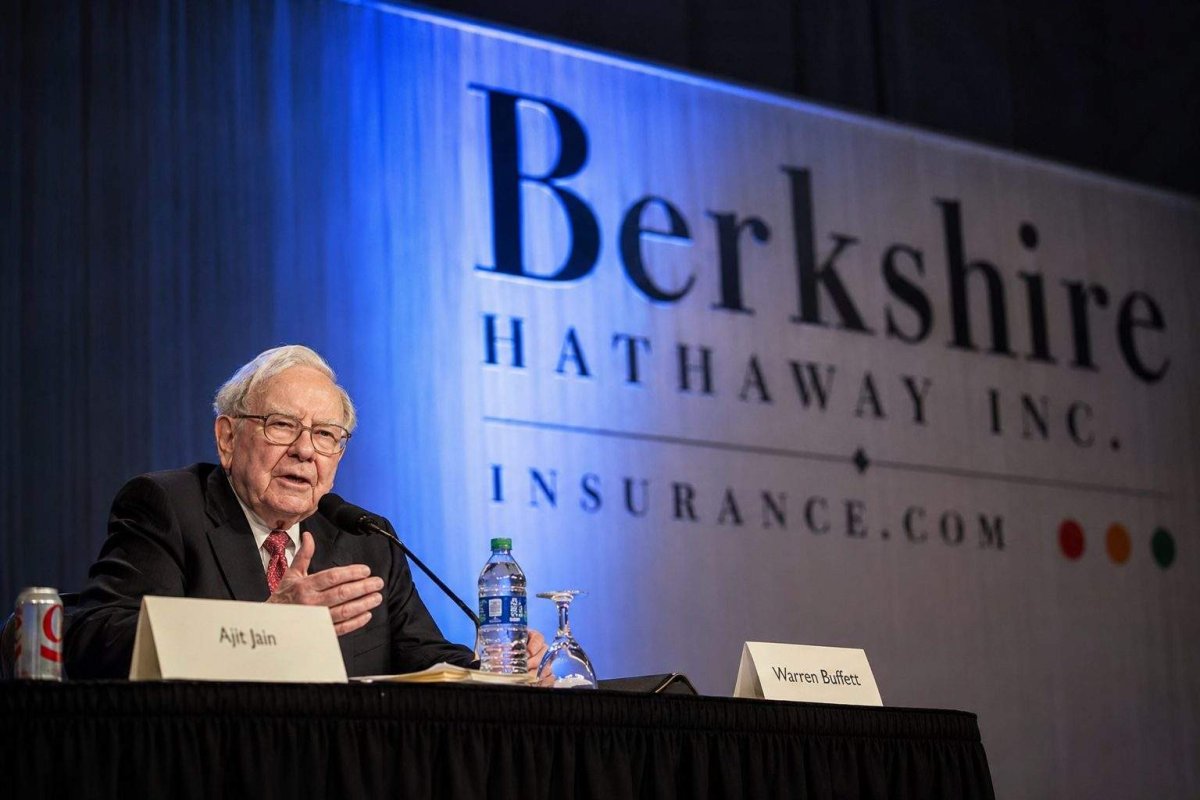
Warren Buffett's long-standing advice to investors has been to favor low-cost S&P 500 index funds. In his 2013 letter to Berkshire Hathaway shareholders, he recommended that trustees allocate 90% of funds to a very low-cost S&P 500 index fund. While he referenced Vanguard in that letter, he did not specifically endorse a single ETF ticker, and in 2016 he reiterated that low-cost index funds are suitable for all investors.
The fee landscape for S&P 500 ETFs has evolved significantly. The SPDR Portfolio S&P 500 ETF (SPYM) now charges 0.02%, while the Vanguard S&P 500 ETF (VOO) and iShares Core S&P 500 ETF (IVV) both charge 0.03%. The original SPDR S&P 500 ETF Trust (SPY) costs 0.0945%, making it the most expensive of the four major options.
The difference in fees, while seemingly small, can have a meaningful impact over time. For a $1 million investment, the 0.01% difference between SPYM and VOO results in annual savings of $100. Over 30 years, assuming an 8% gross return, that difference compounds to approximately $27,800. Compared to SPY, the gap widens to roughly $205,100.
Liquidity remains a key factor for traders. On Friday, SPY saw a dollar turnover of about $46.6 billion, far exceeding VOO's $5.3 billion, IVV's $3.7 billion, and SPYM's $0.9 billion. While short-term traders may prefer the deep liquidity of SPY, long-term investors could benefit more from lower ongoing fees.
The concentration risk is particularly relevant given recent market moves. Apple shares fell 7.4% on Friday, while Amazon surged over 15%. The S&P 500 managed a 0.70% gain, but decliners outnumbered advancers by a 1.3-to-one ratio, highlighting the narrow breadth of the rally.
Historical data supports the case for passive investing. In 2025, 79% of large-cap U.S. active funds underperformed the S&P 500, and over a 15-year period, that figure rose to 89.93%. Despite this, the index's valuation remains elevated, trading at nearly 20 times forward earnings, compared to a 10-year average of 19 times.
Looking ahead, the key catalyst is Friday's employment report for July. Economists surveyed by Reuters expect an increase of 83,000 jobs and an unemployment rate of 4.3%. Additionally, over 25% of S&P 500 companies are scheduled to report earnings this week, which could drive volatility.
Jim Baird, chief investment officer at Plante Moran Financial Advisors, anticipates "more volatility around key economic releases" as the Federal Reserve reduces its forward guidance. Elevated oil prices and Treasury yields could also weigh on valuations, and a decline in megacap stocks would quickly impact cap-weighted funds.
Buffett's core message remains unchanged: low-cost S&P 500 index funds are a sound investment. However, the cheapest option is no longer Vanguard—it's SPYM. For long-term investors, the key is to remain disciplined and focused on fees and diversification, rather than getting caught up in brand names.