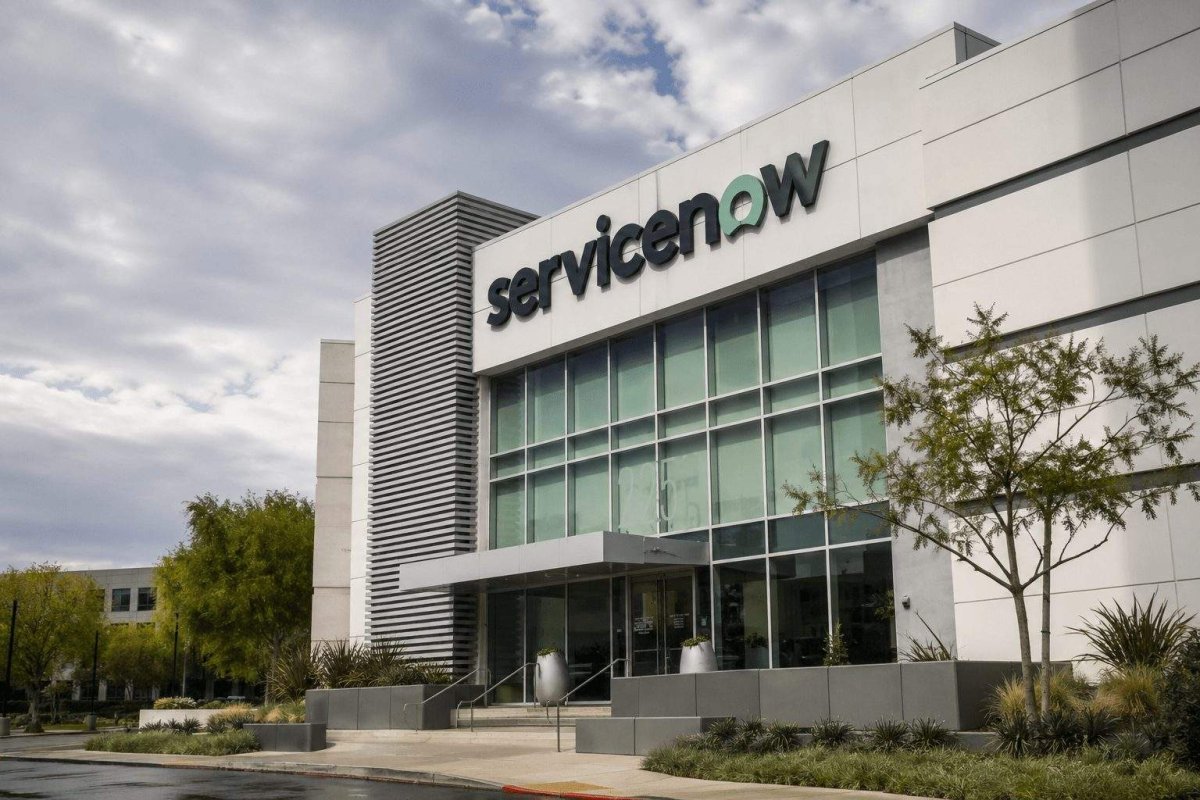
ServiceNow (NYSE:NOW) is set to report its second-quarter earnings after Wednesday's market close, facing a critical benchmark in current remaining performance obligations (cRPO). Analysts and investors are closely watching for constant-currency cRPO growth in the range of 20.5% to 21.5%, according to Morgan Stanley, which is higher than the company's own guidance of 19.5%. This gap of 100 to 200 basis points underscores the pressure on the software company to deliver a strong performance.
The stock closed at $102.06 on Tuesday, down 2.5%, reflecting investor caution ahead of the earnings release. The decline comes amid broader market gains, with the Nasdaq Composite rising 1.34% on the same day. Over the past week, ServiceNow shares have fallen 4.1%, and they slipped another 1.1% by Tuesday's close.
Understanding cRPO and Its Importance
Current remaining performance obligations represent revenue from contracts that are expected to be recognized over the next 12 months. This metric is a key indicator of near-term revenue visibility and growth momentum. Morgan Stanley estimates that achieving the 20.5% constant-currency growth would translate to roughly 18% organic growth, while the company's 19.5% guidance implies about 17% organic growth. The acquisition of Armis is expected to contribute approximately 125 basis points to ServiceNow's Q2 cRPO outlook, which could influence how investors interpret the results.
Valuation and Premium Concerns
ServiceNow trades at a trailing price-to-earnings ratio of approximately 60x, significantly higher than peers. For comparison, Salesforce trades at 23.5x, Workday at 44.0x, and Atlassian has a negative trailing P/E due to losses. This premium valuation amplifies the risk associated with any signs of slowing organic growth. The stock's high multiple leaves little room for error, making the upcoming cRPO figure a pivotal point for investor sentiment.
Analyst Outlook and Market Expectations
Morgan Stanley analyst Sanjit Singh maintains an Overweight rating on ServiceNow with a price target of $180. Singh noted that the setup for the quarter appears achievable based on recent demand assessments. The bullish view is supported by strong first-quarter results, where constant-currency cRPO grew 21%, and the number of customers committing over $1 million annually to Now Assist increased by more than 130%.
Options markets imply a potential 12% swing in ServiceNow's stock price by Friday's expiration, indicating heightened volatility expectations around the earnings report. This suggests that traders are bracing for a significant move, whether positive or negative.
Potential Risks and Downside Factors
If ServiceNow misses cRPO expectations, its premium valuation could come under severe pressure. Additionally, the Armis acquisition is expected to reduce Q2 operating margins by approximately 125 basis points, and the full-year free-cash-flow margin is projected to decline by about 200 basis points. These factors add to the risk profile, especially if organic growth fails to meet the high bar set by investors.
The earnings conference call is scheduled for 5 p.m. EDT on Wednesday. Investors will be listening for management's commentary on demand trends, AI adoption, and the outlook for the remainder of the year. The outcome could set the tone for ServiceNow's stock performance in the coming weeks.