Satellite operator SES is ramping up its digital inclusion efforts with a new initiative to bring satellite internet connectivity to 30 schools across Malawi, Burundi, Zambia, and Zimbabwe by the end of 2026. The project, announced in a November 16 update, is part of SES's broader commitment to the International Telecommunication Union's Partner2Connect coalition, which aims to bridge the digital divide in underserved regions.
Scope of the African School Rollout
The initiative targets 30 schools, with an estimated reach of 20,000 to 30,000 students and teachers. The four countries—Malawi, Burundi, Zambia, and Zimbabwe—are among those with significant rural connectivity gaps. SES's collaboration with the ITU is designed to provide online learning resources, teacher training, and collaborative tools that are often unavailable in these communities.
The project is part of a larger pledge by SES to connect 100 schools globally under the Partner2Connect umbrella. While the company has not yet named specific schools or provided detailed service terms for the African rollout, it has highlighted the transformative potential of reliable internet access in education.
Previous Success in Timor-Leste
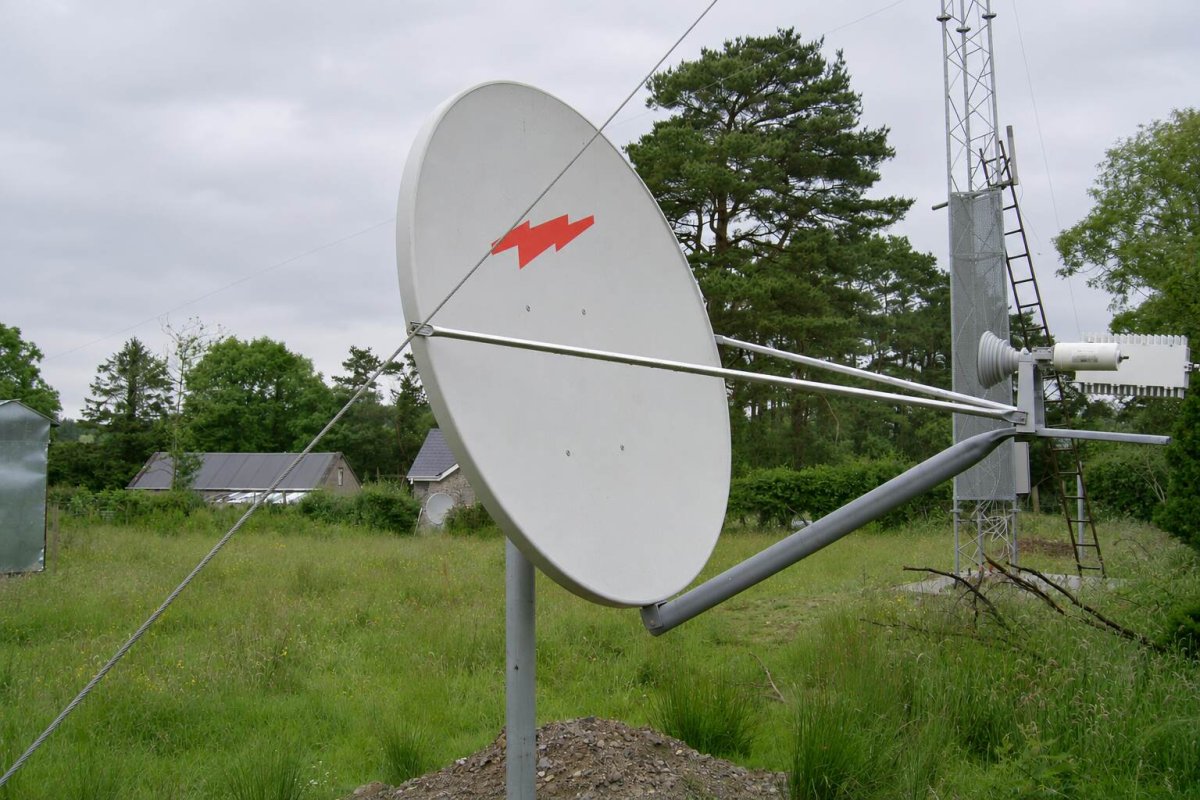
SES's experience in Timor-Leste offers a glimpse into its approach. In a July 2026 regional forum hosted by the ITU, SES detailed how it connected five schools in Timor-Leste using its FlexEnterprise Hosted service, offering three years of free connectivity. That deployment involved 1.2-metre VSAT satellite dishes and Ku-band capacity on geostationary satellites. The project included site surveys, equipment shipping, installation, and activation, demonstrating SES's end-to-end capabilities.
However, specifics for the African initiative remain undisclosed. The company has not revealed which satellites or terminal equipment will be used, nor has it provided pricing or bandwidth details. The 30-school figure is a target, and the projected reach is an estimate, subject to on-the-ground realities.
Addressing the Rural Internet Gap
The initiative comes against a backdrop of stark digital inequality. According to the ITU's 2025 Facts and Figures, only 21% of rural Africans use the internet, compared with 55% of urban residents—a gap of 34 percentage points. Globally, the urban-rural gap is 27 points, with 85% of urban dwellers online versus 58% in rural areas. These figures underscore the importance of projects like SES's, which aim to extend connectivity to those who are currently left behind.
Implications and Outlook
For SES, this initiative represents both a social mission and a strategic opportunity. By expanding its satellite services into new markets, the company strengthens its position in the growing demand for connectivity solutions in emerging regions. It also aligns with broader industry trends, as satellite internet providers increasingly target educational and community-based projects to demonstrate the value of their technology.
Analysts note that such projects can serve as a gateway for future commercial contracts, as schools and communities become accustomed to satellite-based services. However, the success of the initiative will depend on reliable implementation, ongoing maintenance, and the ability to deliver meaningful educational outcomes. SES will need to ensure that installed connections provide usable access during school hours, with sufficient capacity and support.
The company has not provided a timeline for announcing further details, but stakeholders will be watching closely. As the end of 2026 approaches, SES's progress in connecting these 30 schools will be a key indicator of its commitment to closing the digital divide in Africa.