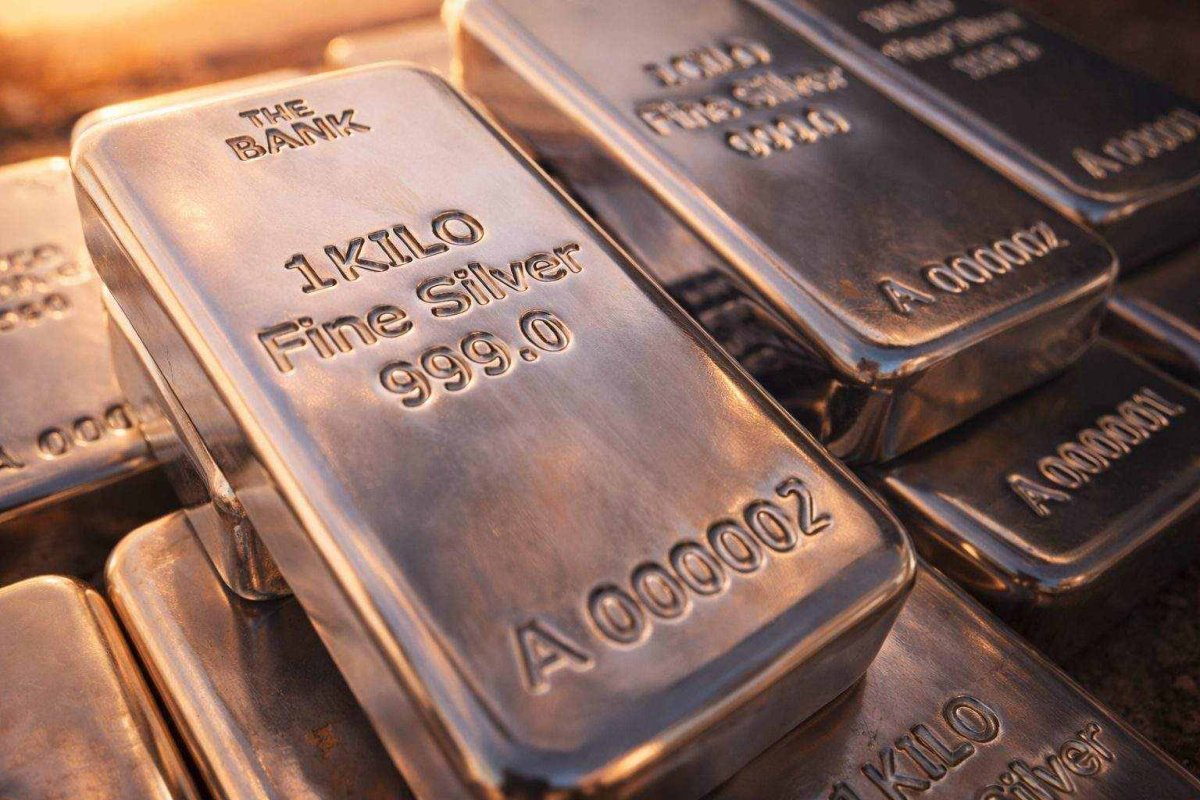
Silver markets experienced a dramatic selloff on Thursday, March 19, 2026, with prices plunging sharply after the Federal Reserve maintained its current interest rate policy. The precious metal extended losses that began earlier in the week, creating significant volatility for investors and traders.
Immediate Market Reaction
By 8:46 a.m. Eastern Time, spot silver had declined 10.7% to reach $67.26 per ounce. This substantial drop followed a 4.2% decrease on Wednesday, creating a two-day decline that has shaken confidence in the metal's near-term prospects. The Federal Reserve's indication that only one interest rate cut would occur this year, combined with a strengthening U.S. dollar, created headwinds for silver demand, particularly from international buyers who face higher costs when the dollar appreciates.
Analyst Perspectives on the Decline
Market strategists pointed to fundamental weaknesses in the silver trade. "The foundations of that trade are now weakening," observed Daniel Ghali, a strategist at TD Securities. The combination of higher interest rates and a robust dollar presents particular challenges for silver, which generates no income and historically struggles in high-rate environments. This dynamic contrasts with gold's traditional haven status, leaving silver to behave more like a risk asset during periods of monetary tightening.
Retail Investment Patterns
Despite the recent downturn, retail investors demonstrated substantial interest in silver earlier in the year. During January, approximately $921.8 million flowed into silver exchange-traded funds over a 30-day period. The iShares Silver Trust attracted significant long positions, while the ProShares UltraShort Silver ETF saw increased bearish positioning. This divergence in investor sentiment highlights the ongoing debate about silver's direction.
Market Structure and Volatility
Silver's price movements typically exhibit greater volatility compared to gold, partly because industrial applications account for more than half of global silver demand. These uses include electronics manufacturing, electric vehicle production, and solar panel fabrication. The metal's dual nature as both a precious metal and industrial commodity creates unique price dynamics that can amplify both gains and losses during market shifts.
Historical Context and Previous Declines
The current downturn recalls previous sharp corrections in silver markets. On January 30, silver experienced an approximately 30% single-day decline after the Chicago Mercantile Exchange increased margin requirements for futures contracts. According to Reuters data and LSEG records dating to 1982, that represented the worst daily loss on record. Some analysts view such dramatic declines as potential setups for strong rebounds, though timing such recoveries remains challenging.
Supply and Demand Fundamentals
Longer-term fundamentals continue to support silver's structural case. The Silver Institute projected in February that the market would experience its sixth consecutive annual supply deficit in 2026, with demand expected to outpace production. This forecast comes despite an anticipated 2% decrease in industrial fabrication and a projected 20% increase in physical investment, which is expected to reach its highest level in three years.
Price Targets and Market Sentiment
Market participants remain divided on silver's trajectory. Some analysts suggested in early February that fundamentals supported a price range between $60 and $70 per ounce following January's spike. Ole Hansen of Saxo Bank characterized the earlier rally as a "massive, massive retail frenzy," noting that finding a market bottom would depend on calmer trading conditions and demand from China. Meanwhile, other market observers maintain more bullish outlooks, with Allegiance Gold COO Alex Ebkarian previously suggesting short-term targets between $100 and $144 per ounce, following silver's breach of the $90 level in January.
Diverging Views on Silver's Role
Analysts continue to debate whether silver represents a genuine haven asset during crises. Some research indicates that silver has historically underperformed during the initial phases of economic, financial, or geopolitical shocks, primarily because industrial demand often contracts before policy support measures take effect. This characteristic distinguishes silver from gold and complicates its role in portfolio hedging strategies.
The current market environment presents investors with conflicting signals: strong retail investment flows and persistent supply deficits against a backdrop of monetary tightening and dollar strength. As silver prices test lower levels, market participants must weigh whether the metal is experiencing temporary panic selling or establishing a foundation for its next significant advance.