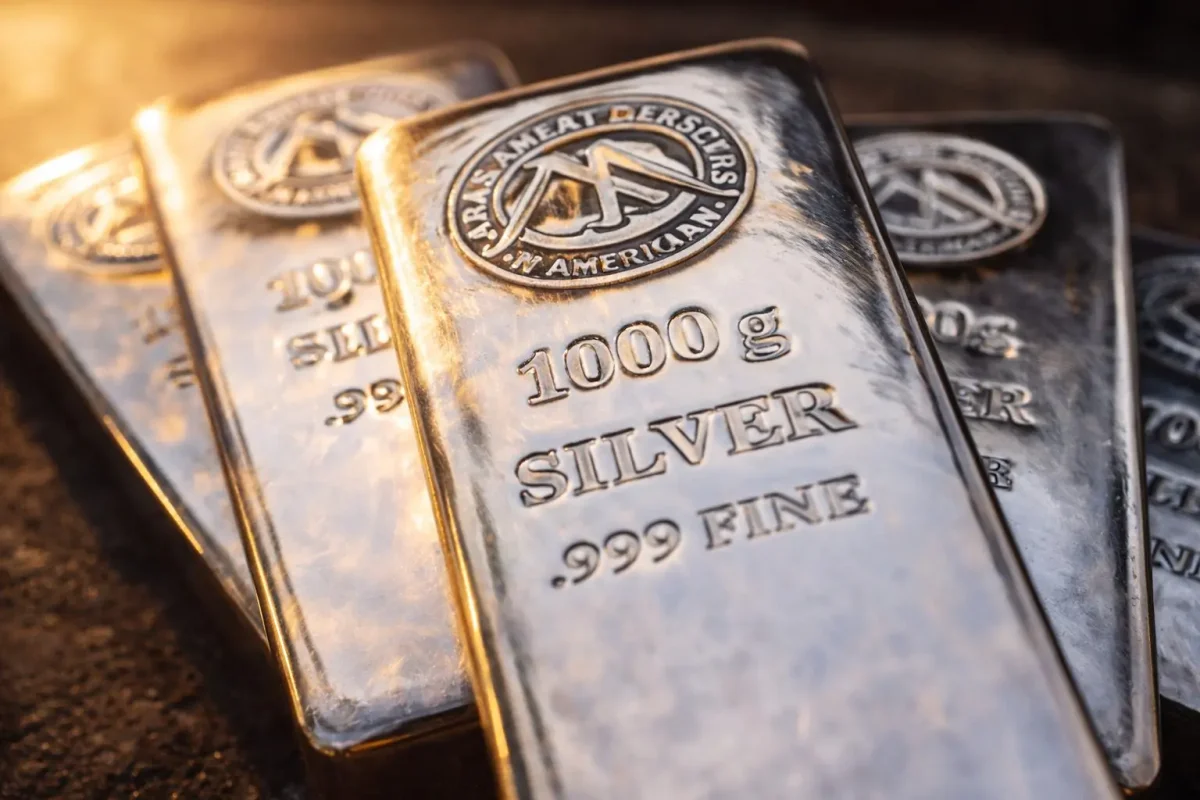
Spot silver prices experienced a sharp reversal on Wednesday, March 11, 2026, declining 4.1% to $84.82 per ounce by 1600 GMT. The move wiped out most of Tuesday's 2.7% rally, highlighting the metal's acute sensitivity to shifting macroeconomic winds. The primary catalysts were a strengthening U.S. dollar and the latest consumer inflation report, which reinforced expectations that the Federal Reserve will maintain elevated interest rates for an extended period.
Inflation Data Fuels Dollar Strength, Metal Weakness
The U.S. Bureau of Labor Statistics reported that the Consumer Price Index (CPI) rose 0.3% in February, bringing the annual increase to 2.4%. Core CPI, which excludes volatile food and energy components, climbed 0.2% for the month. This data, coming just days before the Fed's March 17-18 policy meeting, solidified the view that the central bank is unlikely to pivot to rate cuts imminently. Higher interest rates increase the opportunity cost of holding non-yielding assets like precious metals, while also boosting the dollar, in which they are priced.
The dollar's advance created significant headwinds for the entire metals sector. Gold shed 0.5%, platinum fell 1.1%, and palladium dropped 1.5%. Peter Grant, Vice President and Senior Metals Strategist at Zaner Metals, characterized the environment as a "push-and-pull" for bullion, caught between safe-haven demand from geopolitical tensions and the gravitational pull of "higher-for-longer" interest rates.
Industrial Demand and Structural Deficits Provide Long-Term Context
Beyond investor sentiment, silver's fundamentals present a complex picture. The metal is a critical industrial component, used extensively in electronics, solar panels, and electric vehicles. The Silver Institute recently noted a sixth consecutive annual structural market deficit, meaning industrial and investment demand continues to outstrip mine and scrap supply, even with some cooling in specific sectors. This underlying physical tightness can provide a floor for prices during sell-offs driven by financial markets.
A Volatile Journey from Record Highs
Wednesday's decline is the latest swing in an exceptionally volatile period for silver. The metal's trajectory this year has been dramatic: it surged past $100 per ounce in January, propelled by retail investor enthusiasm and momentum trading, before rocketing to an all-time peak of $121.60 on January 29. That frenzy was short-lived, as prices collapsed over 25% the following day. Analysts like Saxo Bank's Ole Hansen described the January spike as a "massive, massive retail frenzy," while StoneX's Rhona O'Connell warned of "flashing amber wealth warnings" during the self-propelled rally.
The stark contrast between sessions was evident this week. Tuesday's gain was supported by a softer dollar and retreating oil prices, with TD Securities' Bart Melek suggesting investors were warming to a potential re-energized "debasement trade." That optimism was swiftly undone on Wednesday.
Energy Market Jitters Add Another Layer
Commodity markets also contended with renewed volatility in the energy sector. Brent crude oil futures jumped roughly 4% to near $91 a barrel on Wednesday amid concerns over potential disruptions to shipments through the critical Strait of Hormuz. Brian Jacobsen, Chief Economist at Annex Wealth Management, highlighted the inflationary risk, noting, "instead of deflation from energy, we will get inflation." Rising oil prices can feed into broader inflation expectations, which in turn influences central bank policy and, consequently, metals.
Market Focus Shifts to Fed's Preferred Gauge
Attention now turns to the upcoming release of the Personal Consumption Expenditures (PCE) price index on Friday. As the Federal Reserve's preferred inflation metric, this data point will be scrutinized for confirmation of the CPI trend. A softer-than-expected PCE reading could help silver and other metals stabilize after Wednesday's slide. Conversely, another firm inflation print would likely reinforce the dollar's strength and invite further selling pressure on precious metals, keeping silver's notorious volatility on full display as traders assess the path of U.S. monetary policy against a backdrop of persistent physical market deficits.