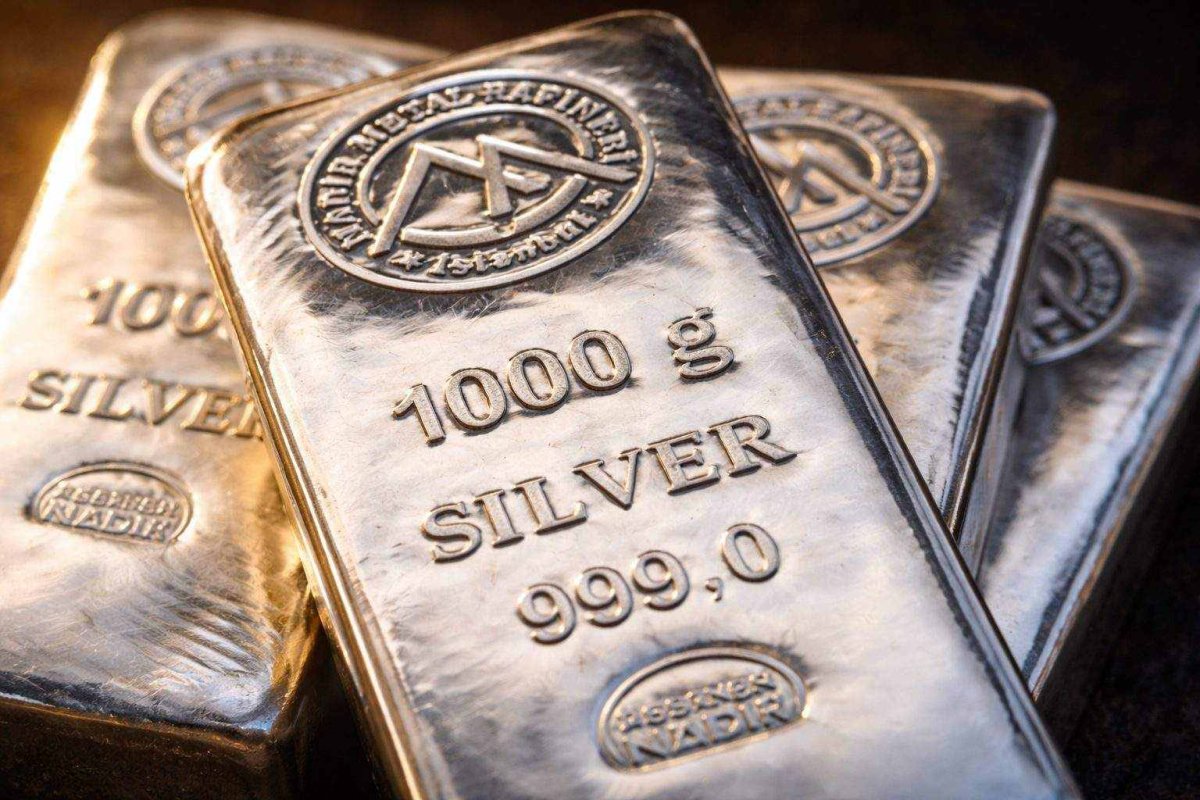
Spot silver prices retreated on Monday, shedding 0.9% to trade at $72.32 per ounce by late morning Eastern Time. The broader precious metals complex also displayed weakness, with gold holding nearly flat while platinum and palladium both lost ground. The sell-off reflects a shifting macroeconomic landscape where expectations for imminent monetary policy easing are colliding with renewed inflationary pressures.
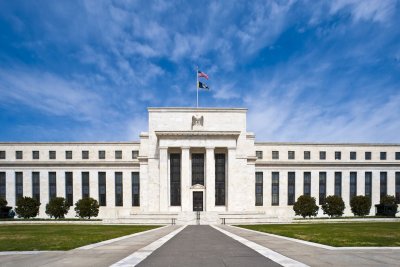
The primary catalyst for the recalibration in market sentiment is a notable shift in outlook from major financial institutions regarding the Federal Reserve's policy path. Wells Fargo Investment Institute formally withdrew its projection for any interest rate reductions during the current year. Concurrently, Citigroup adjusted its forecast, now anticipating the first cut will arrive in September, a delay from its prior expectation of a June move. This repricing follows a series of robust economic indicators that suggest persistent underlying strength.
Recent data has provided the Fed with little impetus to ease policy. The March nonfarm payrolls report delivered a significant surprise, with the economy adding 178,000 jobs—nearly triple the 60,000 anticipated by economists surveyed by Reuters. The unemployment rate concurrently edged down to 4.3%. Furthermore, the Institute for Supply Management's services sector survey for March revealed its prices-paid component surged to 70.7, a level not witnessed since October 2022, signaling intense cost pressures.
Bart Melek, Global Head of Commodity Strategy at TD Securities, highlighted the dual headwinds facing metals. "A protracted conflict involving Iran possesses the clear potential to drive crude oil prices substantially higher," Melek noted. "Such a scenario would rekindle inflation concerns, effectively tightening the constraints on central banks that are contemplating rate reductions." This interplay between geopolitical risk and monetary policy is central to the current market narrative.
Despite a modest pullback in the U.S. Dollar Index to 99.809, silver failed to find support. The greenback's typical inverse relationship with dollar-denominated commodities was overshadowed by the dominant themes of rates and inflation. Brent crude oil held firm near $110 per barrel, underscoring the persistent energy market risk premium. Charu Chanana, Chief Investment Strategist at Saxo, observed that each new geopolitical development makes potential supply disruptions appear "longer, stickier and more macro-negative."
Market participants are now looking ahead to a critical sequence of economic releases for further direction. The minutes from the Federal Open Market Committee's March 17-18 meeting are scheduled for release on April 8. These will be followed closely by the Personal Consumption Expenditures (PCE) price index data on April 9 and the Consumer Price Index (CPI) report for March on April 10. This data trifecta will be scrutinized for confirmation of the inflation trajectory and its implications for Fed policy.
Underlying supply and demand fundamentals continue to provide a supportive backdrop for silver over the longer term. The Silver Institute, in a February report, projected a structural market deficit for 2026—which would mark the sixth consecutive year of shortfall. The institute forecasts a 20% increase in physical investment demand, even as industrial consumption is expected to moderate slightly. Silver's critical role in solar panels, electronics, electric vehicles, and jewelry underpins its consumption profile. The metal had rallied to a record high of $121.60 per ounce on January 29 before undergoing a corrective phase.
The immediate future for silver and broader markets may hinge on diplomatic developments in the Middle East. U.S., Iranian, and regional mediators are engaged in discussions concerning a potential ceasefire agreement. A successful resolution could lead to the reopening of the strategic Strait of Hormuz, a vital chokepoint for global oil shipments. Such an outcome would likely bring relief to energy markets, subsequently easing some of the inflationary heat that is pressuring silver. Conversely, a breakdown in talks would sustain the current risk premium in oil, keeping inflation fears and hawkish central bank expectations firmly in the driver's seat for financial markets.