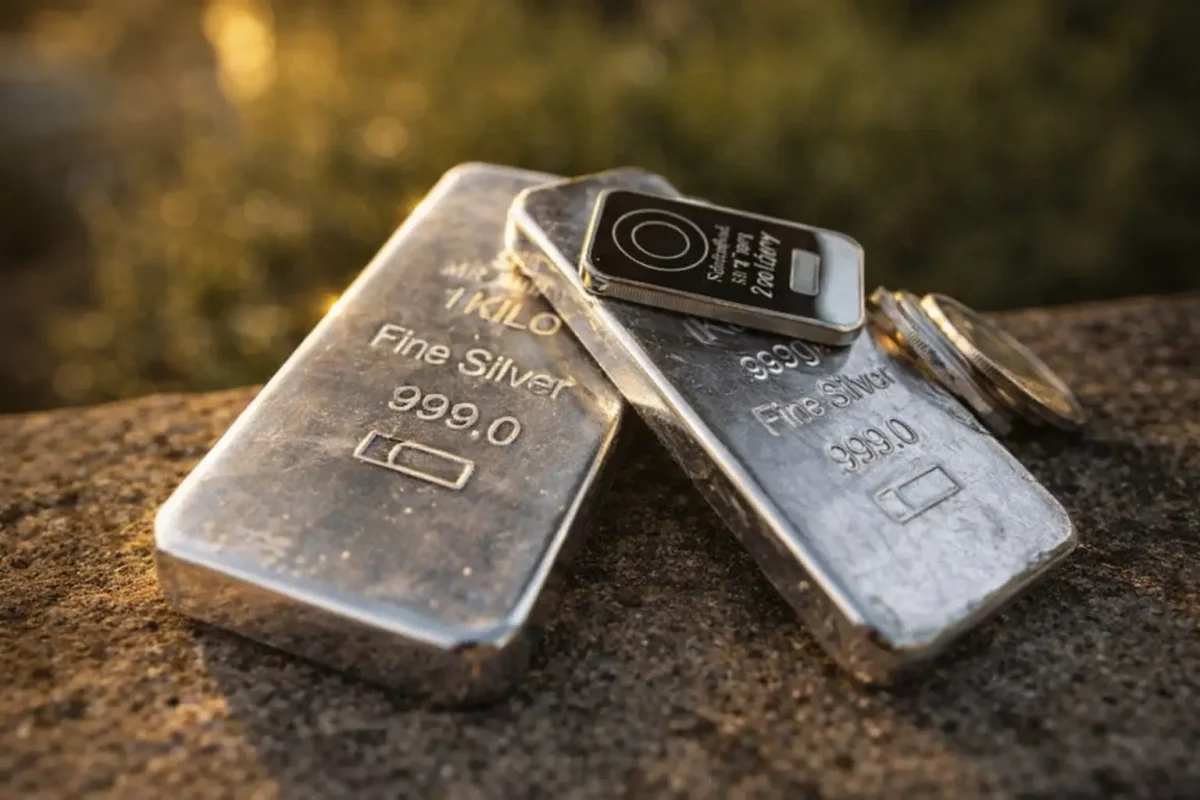
Spot silver prices declined significantly on Tuesday, March 24, 2026, surrendering the previous session's rebound as financial markets refocused on macroeconomic headwinds. The metal traded down 3.4% to $66.80 per ounce, moving closer to the $66.50 level seen earlier in the trading session. This downward move highlights a shift in market sentiment, where concerns over sustained higher interest rates are overpowering silver's traditional role as a safe-haven asset during periods of geopolitical uncertainty.
Broader Metals Complex Under Pressure
The selloff was not isolated to silver. The entire precious metals sector faced headwinds, with spot gold dipping 0.2% to $4,396.74 an ounce. Platinum fell more sharply, losing 2.1%, while palladium experienced an even steeper decline of 2.7%. This correlated weakness underscores a market-wide reassessment of the outlook for non-yielding assets in an environment where borrowing costs are expected to remain elevated. The pressure follows a significant rout earlier in the month; on March 19, silver had plunged 14% and gold dropped 7% in a broad market selloff.
Interest Rates and Inflation Trump Geopolitics
Market dynamics were dominated by the interplay between geopolitical events and monetary policy expectations. A brief reprieve emerged on Monday after news of a delayed U.S. military response, which triggered a 2.5% rally in silver to $69.47. However, this rally proved short-lived. Analysts noted that the underlying driver remains the expectation that energy price shocks, with oil pushing toward $100 a barrel, will force central banks to maintain a restrictive policy stance. Treasury yields moved higher alongside a strengthening dollar, compounding the negative environment for dollar-denominated commodities like silver.
"Markets are in a flux right now," observed Kelvin Wong, a senior market analyst at OANDA, pointing to mixed signals from U.S.-Iran interactions and ongoing conflict. The consensus is that worries over inflation and the path of interest rates are currently overriding silver's typical appeal during times of tension. David Meger, director of metals trading at High Ridge Futures, confirmed that expectations of rising rates had triggered the initial metals selloff, and while geopolitical news provided a temporary counter-trend, the primary fundamental driver reasserted itself quickly.
Technical Breakdown Adds to Bearish Sentiment
The technical picture for silver deteriorated last week, adding to the fundamental concerns. The metal's price broke below its 100-day simple moving average, marking the first daily close beneath that key technical threshold since April 2025. Chart analysts identify resistance in the $73 to $74 range, while near-term support is seen around $63, followed by $60. This breach of a major moving average often signals a shift in medium-term momentum and can trigger further selling from algorithmically-driven funds.
Looking ahead, analysts at Standard Chartered suggest liquidity pressures may continue to weigh on precious metals for another four to six weeks. They note that even a resolution in the Strait of Hormuz or a diplomatic breakthrough, which could calm oil markets and rate fears, might not immediately stabilize prices. Kit Juckes of Societe Generale echoed a cautious outlook, stating that higher interest rates remain "more likely than not" unless critical shipping lanes reopen promptly, easing energy supply concerns.
Market Implications and Trader Focus
The recent price action demonstrates that silver's dual nature as both a monetary metal and an industrial commodity is creating heightened volatility. Its industrial demand profile makes it particularly sensitive to economic growth and interest rate expectations, which are currently overshadowing its store-of-value characteristics. Traders are now closely monitoring Federal Reserve signals and energy market developments, with futures markets still largely pricing in a steady rate policy for the year, though a potential hike has not been completely ruled out.
With silver now trading nearly 18% lower than its price from a month ago, the market appears to be in a corrective phase. The failure to hold Monday's gains on geopolitical news suggests that until there is clearer evidence that inflationary pressures are abating or that rate cuts are imminent, the path of least resistance for silver and its precious metals peers may remain challenged. The focus will remain on incoming economic data and central bank commentary for the next directional catalyst.