Silver Succumbs to Dollar Strength and Yield Pressure
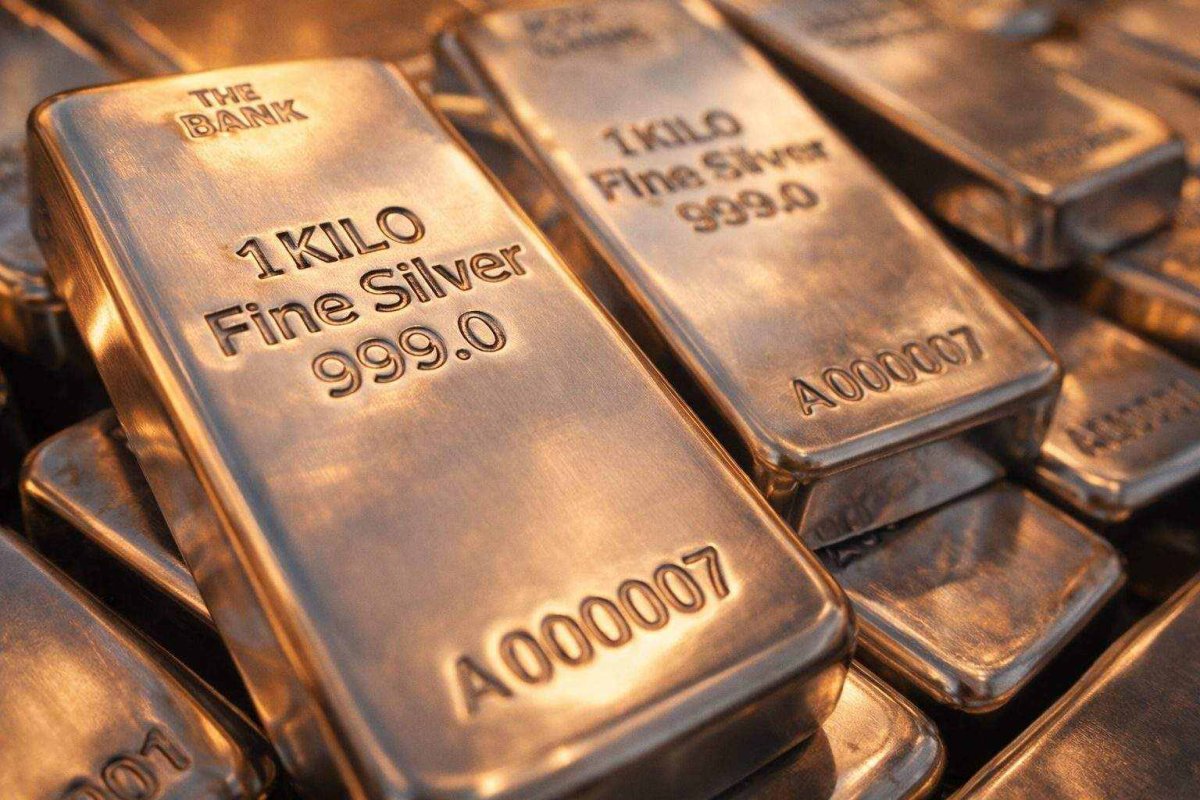
Spot silver prices declined on Tuesday, breaching the $79 per ounce level as a firmer U.S. dollar and higher bond yields diminished the appeal of non-yielding assets. According to market data, silver was quoted with a bid of $78.87, marking a decline of approximately 0.93% for the session. The pullback was mirrored across the precious metals complex, with gold, platinum, and palladium also trading lower.
Vulnerability After a Stellar Rally
The current retreat is notable given silver's powerful performance in recent months. Data indicates the metal has advanced roughly 14% over the past month and has soared more than 140% compared to its price one year ago. This substantial appreciation has left the market acutely sensitive to shifts in macroeconomic sentiment, increasing the likelihood of profit-taking by traders when conditions turn less favorable.
The primary catalysts for the sell-off are the intertwined forces of currency and debt markets. A resurgent U.S. dollar, often buoyed by safe-haven flows during geopolitical uncertainty, makes dollar-priced commodities like silver more expensive for holders of other currencies. Concurrently, rising benchmark Treasury yields elevate the opportunity cost of holding assets that do not provide interest, such as physical bullion.
Geopolitical Hinge: Oil and the Strait of Hormuz
Market dynamics are heavily influenced by tensions in the Middle East, particularly between the U.S. and Iran, which directly impact oil prices and broader risk sentiment. After a spike on Monday, Brent crude futures eased to approximately $94.79 a barrel on Tuesday as traders assessed the potential for an extended ceasefire and a restoration of shipping flows. Despite ongoing diplomatic talks, maritime transit through the critical Strait of Hormuz—a conduit for about one-fifth of global seaborne oil and liquefied natural gas—remains constrained.
This creates a complex environment for silver. While the metal can attract safe-haven bids during periods of elevated war risk, higher oil prices can simultaneously stoke inflation concerns, which may prompt central banks to maintain tighter monetary policy, supporting yields and weighing on metals. Furthermore, silver's significant industrial applications mean that any economic slowdown triggered by energy-driven inflation could hurt physical demand.
Economic Data Adds to the Gloom
Adding to the cautious backdrop, a key measure of German investor confidence deteriorated in April. The ZEW Economic Sentiment Index fell to minus 17.2, its lowest reading since December 2022. Survey respondents expressed growing anxiety over potential long-term energy supply shortages stemming from the Iran conflict. This matters for silver, as Germany is a major industrial economy, and the metal is a critical component in electronics, automotive manufacturing, solar panels, and various other industrial supply chains.
Structural Deficit Provides a Long-Term Floor
Despite the near-term headwinds, the fundamental picture for silver remains tight. Industry analysis from the Silver Institute and Metals Focus points to a sixth consecutive annual structural supply deficit in 2026. The shortfall is projected to widen to 46.3 million ounces, up from an estimated 40.3 million ounces in 2025. This persistent imbalance, driven by robust industrial demand and mining challenges, continues to underpin the market's long-term outlook and raises the potential for periodic liquidity squeezes.
Analysts note that silver has been closely tethered to developments around the Strait of Hormuz, often exhibiting more volatile price swings than gold. In the current febrile geopolitical climate, professional trading firms are reportedly hesitant to establish large positions, contributing to a market described as cautious and volatile.
Path Dependent on Multiple Factors
The immediate trajectory for silver is less about a specific price threshold and more about the alignment of several key markets. A credible extension of the Middle East ceasefire, coupled with lower crude prices and calmer shipping conditions, could strip away some of the recent safe-haven support, potentially exposing silver to further liquidation after its sharp rally. Conversely, an escalation would likely reinvigorate haven flows.
For now, silver is trading not as a simple inflation hedge but as a barometer reflecting the combined influences of the U.S. dollar, Treasury yields, crude oil, gold, and industrial demand expectations. Its next significant move will likely depend on whether the geopolitical landscape and bond market dynamics cease pushing in the same, bearish direction for precious metals.