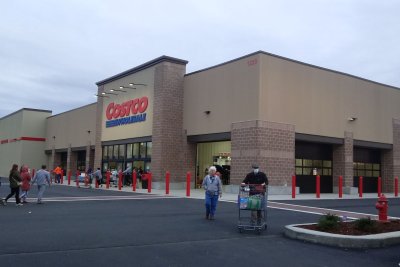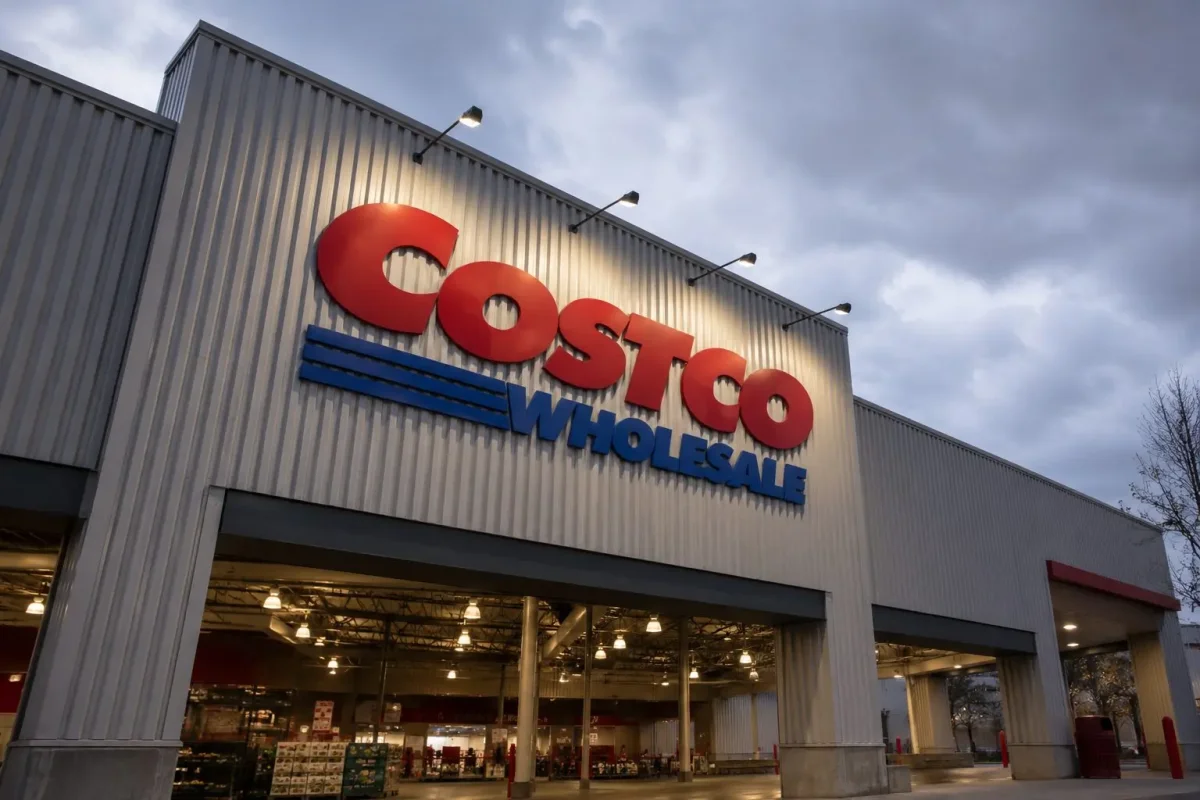
Costco Wholesale Corporation posted a robust 14.5% increase in May sales, propelled by a surge in gasoline demand and elevated pump prices. According to a regulatory filing, the warehouse club's net sales for the four weeks ended May 31 reached $24.01 billion, up from $20.97 billion in the same period last year. Comparable sales jumped 12.5%, or 8.0% when excluding the effects of gasoline and foreign exchange fluctuations.
The gasoline business was a standout contributor, with fuel volume rising approximately 10% year-over-year. This added $662 million to net sales, while higher gasoline prices contributed an additional $1.37 billion, representing 221 basis points of growth. Costco executives noted that the final five weeks of the fiscal third quarter set a company record for fuel volume, as price-conscious consumers flocked to the retailer's cheaper pumps.
CEO Ron Vachris attributed the strong performance to members' growing focus on value amid persistent inflation. "Consumers are clearly shifting their spending habits toward essentials and bargains," he said, echoing broader retail trends seen at Walmart, Dollar Tree, and Gap. CFO Gary Millerchip added that Costco "widened our gaps in terms of price" on fuel, further incentivizing members to fill up at its stations.
Costco's membership model remains a cornerstone of its strategy. The base annual fee of $65 grants access to its warehouses and gas stations, where prices are typically 10 to 30 cents per gallon cheaper than nearby competitors. As of the end of the fiscal third quarter, the company reported 82.9 million paid members and 148.5 million cardholders, with a renewal rate of 92.2% in the U.S. and Canada.
The broader market context underscores the appeal of value-oriented retailers. The national average for regular gasoline stood at $4.22 per gallon on Friday, according to AAA, while Houston's average was $3.777—down from the prior week but still more than $1 higher than a year ago. As the summer driving season begins, analysts expect fuel demand to remain elevated, benefiting chains like Costco and Sam's Club that offer discounted gas.
However, the reliance on fuel sales presents a double-edged sword. If pump prices decline, the urgency for savings may diminish, potentially reducing foot traffic. Conversely, sustained high prices could squeeze discretionary spending elsewhere. Bryan Hayes, a stock strategist at Zacks, described the fuel strategy as "classic Costco," but cautioned that gross margins could face "modest near-term pressure" as the company prioritizes member loyalty.
Costco's fiscal third-quarter results, covering the period ended May 10, showed net sales of $69.15 billion, up 11.6% year-over-year. Total revenue, including membership fees, reached $70.53 billion. Net income rose to $2.19 billion, or $4.93 per diluted share, compared with $1.90 billion, or $4.28 per share, in the prior year. The company's stock gained $16.40 to close at $988.75 on Friday, reflecting investor optimism about its defensive positioning in a challenging economic environment.
Competitors are also leveraging fuel to drive traffic. Sam's Club, Walmart's membership chain, has been offering similar gasoline deals to attract cost-conscious shoppers. Industry data from Reuters indicates that warehouse clubs are seeing increased customer visits to both stores and gas pumps as households seek value amid elevated prices.
Looking ahead, Costco's ability to maintain its price advantage on fuel while managing margins will be critical. With a strong membership base and a track record of operational efficiency, the company appears well-positioned to navigate the current retail landscape. Investors will watch for any shifts in consumer behavior as the summer progresses and fuel costs fluctuate.