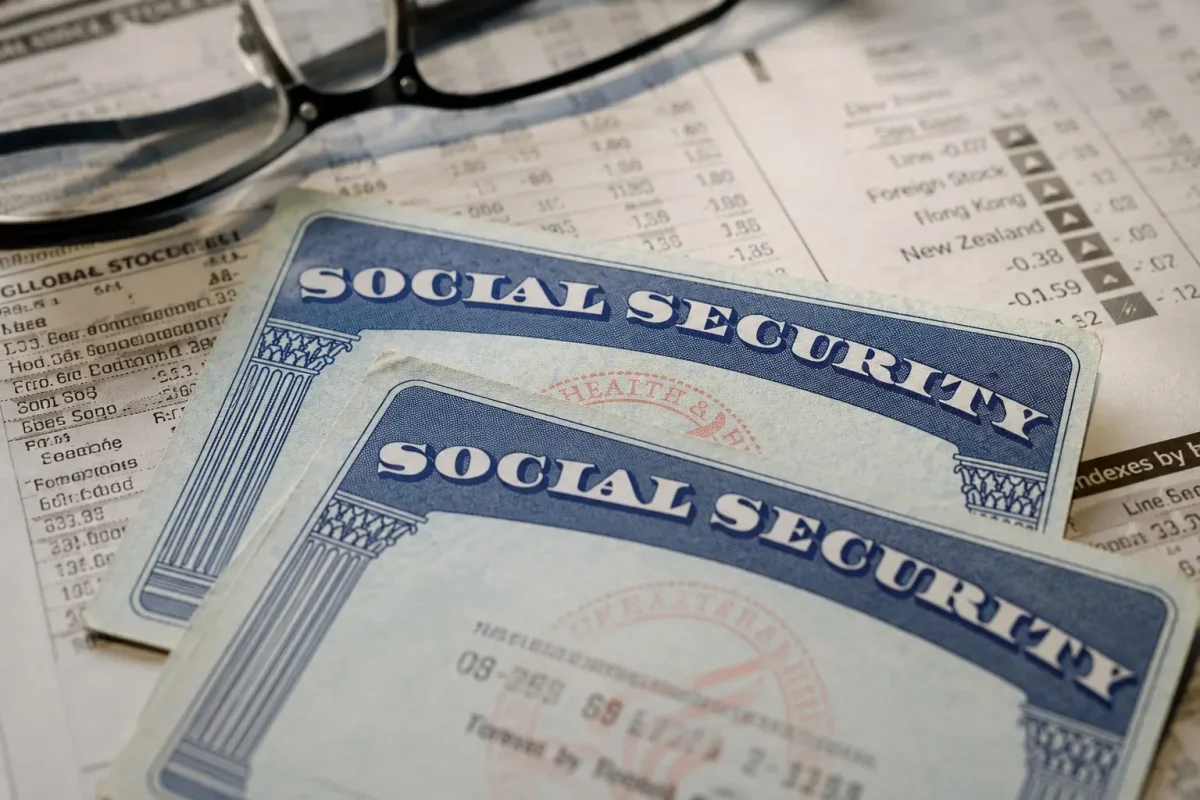
The Social Security Administration is set to issue August's Supplemental Security Income (SSI) payments on July 31, a day earlier than the usual schedule, as August 1 falls on a Saturday. This timing shift will funnel approximately $5.41 billion into recipients' hands, creating a potential one-day spike in retail spending.
According to initial data from the Social Security Administration, there were 7.324 million SSI beneficiaries in June, with an average monthly benefit of $738.10. The total $5.41 billion cash flow represents about 0.70% of June's retail and food-service sales of $768.6 billion. It is also equivalent to 21% of an average day's sales, though economists caution that this does not necessarily translate into increased consumer demand.
The early payment is a calendar anomaly, not a change in total benefits. Recipients will receive their August funds on July 31, but there will be no SSI payment in August. The shift means the cash arrives earlier in the month, potentially altering the timing of spending without increasing overall purchasing power.
For major retailers such as Walmart (NYSE:WMT), Dollar General (NYSE:DG), and Dollar Tree (NASDAQ:DLTR), daily sales cadence is a key metric. A surge in transactions on July 31 would likely reflect the payment timing rather than a fundamental increase in demand. Investors should distinguish between this one-day event and the regular payment wave on July 22, which covers standard Social Security benefits for those with birthdays from the 21st to the 31st.
The broader market context remains cautious. All three major U.S. indexes closed lower last week, with the Dow Jones Industrial Average falling 0.77%, the S&P 500 losing 1.01%, and the Nasdaq Composite dropping 1.40%. Consumer discretionary stocks were among the weakest performers. The early SSI payment could provide a temporary lift to consumer-facing stocks, but analysts warn that the effect may be limited.
Lydia Boussour, senior economist at EY-Parthenon, noted that higher inflation and moderating wage growth continue to squeeze household purchasing power, particularly for lower-income households. This suggests that while the $5.41 billion injection may boost spending on essentials, it is unlikely to drive sustained retail growth.
The estimates rely on rounded figures from the Social Security Administration and the Census Bureau. The projected $5.41 billion is based on June's beneficiary count and average benefit, but actual spending patterns may vary. Some of the funds may go toward rent, utilities, or other bills rather than retail purchases, and promotional events or payroll schedules could distort single-day data.
Social Security and SSI payments received a 2.8% cost-of-living adjustment for 2026, according to the SSA, which administers benefits to about 75 million Americans. The July 31 payment does not create a double-deposit situation, as the regular SSI schedule remains unchanged.
In summary, the July 31 SSI payment represents a notable cash flow event that could temporarily boost retail sales, but it does not signal an increase in consumer purchasing power for August. Investors should view the data with caution, recognizing that the effect is primarily a timing shift rather than a fundamental change in economic conditions.