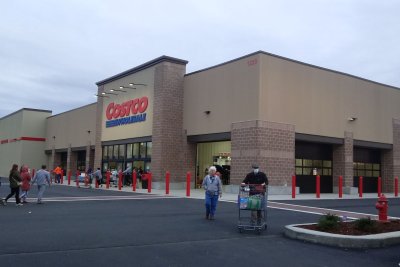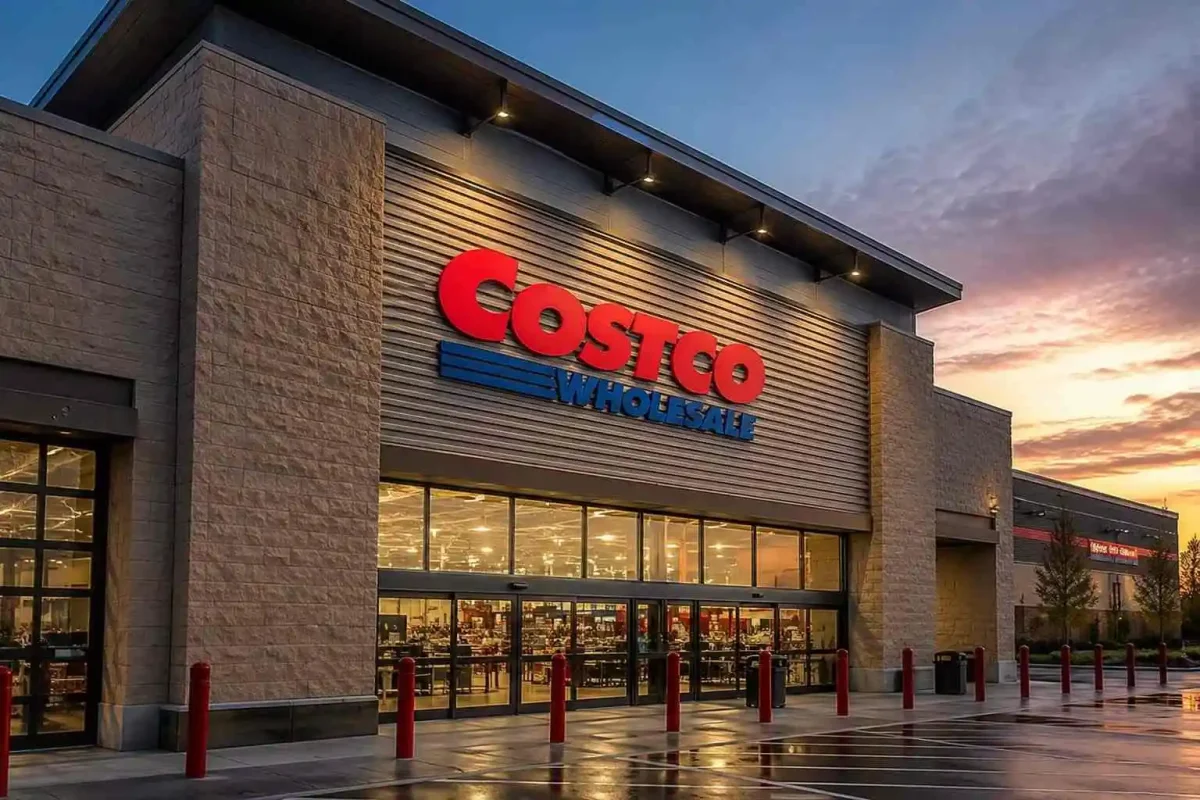
A comprehensive analysis of Costco Wholesale Corporation's (NASDAQ: COST) fuel pricing reveals that members can effectively recoup the $65 Gold Star annual membership fee after purchasing approximately 102 gallons of gasoline. This finding underscores the substantial value embedded in the retailer's fuel program, which has become a key driver of membership retention and overall revenue growth.
On June 24, Costco launched its first-ever stand-alone gas station in Mission Viejo, California, a facility equipped with 40 fueling pumps and no attached warehouse. This strategic move aims to test the viability of offering discounted fuel as a standalone membership benefit, potentially reducing congestion at traditional warehouse locations while maintaining membership fee income.
Data from July 17 showed that regular gasoline in Mission Viejo was priced at $4.75 per gallon, compared to the Orange County average of $5.39, creating a discount of $0.64 per gallon—an 11.9% savings. At this differential, a member purchasing 12 gallons twice monthly would save approximately $184 annually, based on initial estimates that do not account for travel costs or price fluctuations.
Membership fees have proven critical to Costco's financial model. Over the first 36 fiscal weeks of the year, membership revenue reached $4.057 billion, representing 51% of operating income. This highlights how fuel-focused sites can sustain membership fee generation even without a full warehouse, a key consideration for investors evaluating the stand-alone station concept.
Fuel sales have also bolstered overall comparable sales. In June, U.S. comparable sales rose 10.6%, but when excluding changes in gasoline prices, the increase was only 7.6%. This three-percentage-point gap underscores the significant contribution of fuel price movements to reported growth. Chief Financial Officer Gary Millerchip noted that the stand-alone locations are designed to alleviate capacity constraints at high-traffic warehouses, with several additional sites under development, including a planned gas-only station in Honolulu.
Costco's stock closed at $940.87 on Friday, up 2.7% for the week, outperforming the S&P 500, which declined 1.6%. The shares will trade ex-dividend on Thursday, July 23, for a quarterly dividend of $1.47. However, the stock trades at approximately 47 times trailing earnings, leaving little room for operational missteps.
CEO Ron Vachris highlighted that fuel offerings are influencing shopping behavior, noting that May recorded Costco's top five weeks for gasoline sales and that a significant number of members visited stations for the first time. Those who purchase fuel tend to increase their overall spending, reinforcing the strategic importance of the program.
Despite these positive indicators, risks remain. The company has not disclosed specific return targets per station or detailed member conversion rates. If the fuel discount narrows or operational execution falters, the payback justification could erode. The ultimate test for investors is whether stand-alone fuel stations drive membership renewals with reduced real-estate expenses, a question that current disclosures have yet to fully answer.