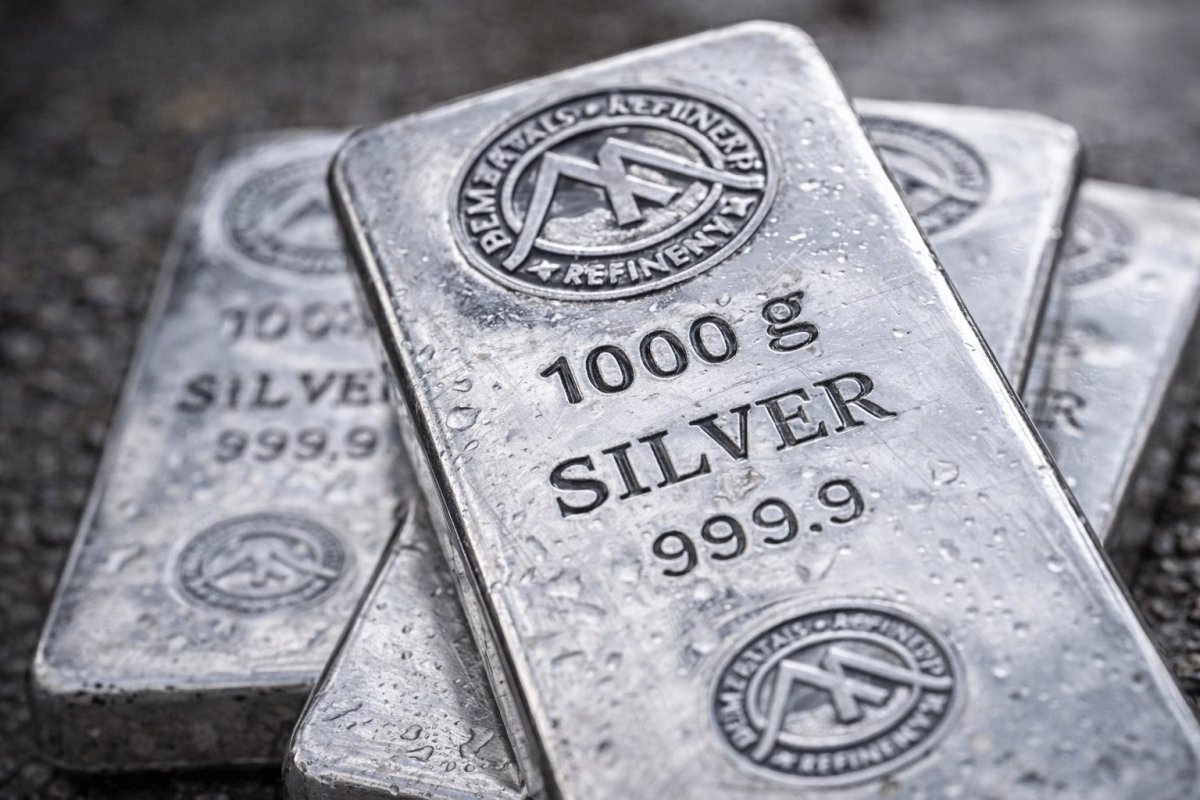
Precious metals staged a significant rally on Thursday, with silver leading the charge. Spot silver prices advanced 2.9% to settle at $76.24 per ounce, building on a substantial 3.3% gain from the previous trading session. The broader precious metals complex found strong support as the U.S. dollar index softened by 0.37% to 98.69, making dollar-denominated assets like silver more attractive to holders of other currencies.
Geopolitical Tensions Underpin Rally
The market movement follows the establishment of a two-week ceasefire agreement between Washington and Tehran. However, analysts were quick to characterize the truce as fragile, injecting a note of caution into the otherwise bullish sentiment. Edward Meir, an analyst at Marex, noted that while the ceasefire could help cool inflationary pressures and bolster arguments for Federal Reserve rate cuts—a positive for non-yielding metals—the deal remains "very tenuous" and could unravel quickly.
Geopolitical risks persisted despite the ceasefire announcement. Israel escalated strikes in Lebanon, and Iran maintained its blockade at the critical Strait of Hormuz. These ongoing tensions kept energy markets volatile; Brent crude oil initially spiked to $99.50 before retreating to hover around $95.50, having fallen below the $100 per barrel mark after the ceasefire was announced.
Broader Metals Move and Inflation Focus
The silver rally was part of a broader surge in precious metals. Gold prices rose 1.63% to $4,793.07 an ounce, lifted by the pullback in Treasury yields alongside the weaker dollar. Bob Haberkorn, a senior market strategist at RJO Futures, observed that the weaker greenback gave precious metals room to recover, but highlighted a prevailing "caution in the market" as traders assessed the ceasefire's implications. He emphasized that silver's gain was part of a coordinated metals move rather than isolated action.
Market attention now pivots to inflation data. Investors are keenly awaiting the release of U.S. Consumer Price Index (CPI) figures for March on Friday. This data follows the Personal Consumption Expenditures (PCE) price index—the Fed's preferred inflation gauge—which showed a 2.8% year-over-year increase through February. Minutes from the Federal Reserve's March 17-18 policy meeting revealed a growing bloc of officials open to potential future rate hikes, adding to the data's significance.
Underlying Risks and Supply Dynamics
Derek Halpenny, MUFG's Head of Global Markets Research for EMEA, pinpointed a straightforward risk: as long as the Strait of Hormuz remains closed, "the entire ceasefire remains tenuous." A resurgence in oil prices or persistently stubborn inflation could compel the Fed to maintain a tighter monetary policy for longer, which would typically be negative for metals that do not offer yield.
Beneath the daily price fluctuations, a tighter fundamental supply picture is brewing. The Silver Institute, in a February report, projected a sixth consecutive annual structural deficit for the metal, meaning global demand is expected to outpace supply. The institute forecasted a 20% jump in physical investment demand for silver this year, even as some cooling in industrial demand is anticipated.
Silver occupies a unique position at the intersection of financial and industrial markets. Investors often treat it as a hedge during shifts in currency or interest rate environments, while its critical role in manufacturing—including electronics, electric vehicles, and solar panels—means its price is also highly sensitive to changes in inflation expectations and global economic growth prospects.
Despite Thursday's strong performance, the silver price of $76.24 remains well below the record high of $121.60 set on January 29. The direction for the metal in the coming sessions will likely hinge on progress in planned diplomatic talks and, crucially, whether the upcoming U.S. inflation data provides signals that could allow policymakers to ease their currently hawkish monetary stance.