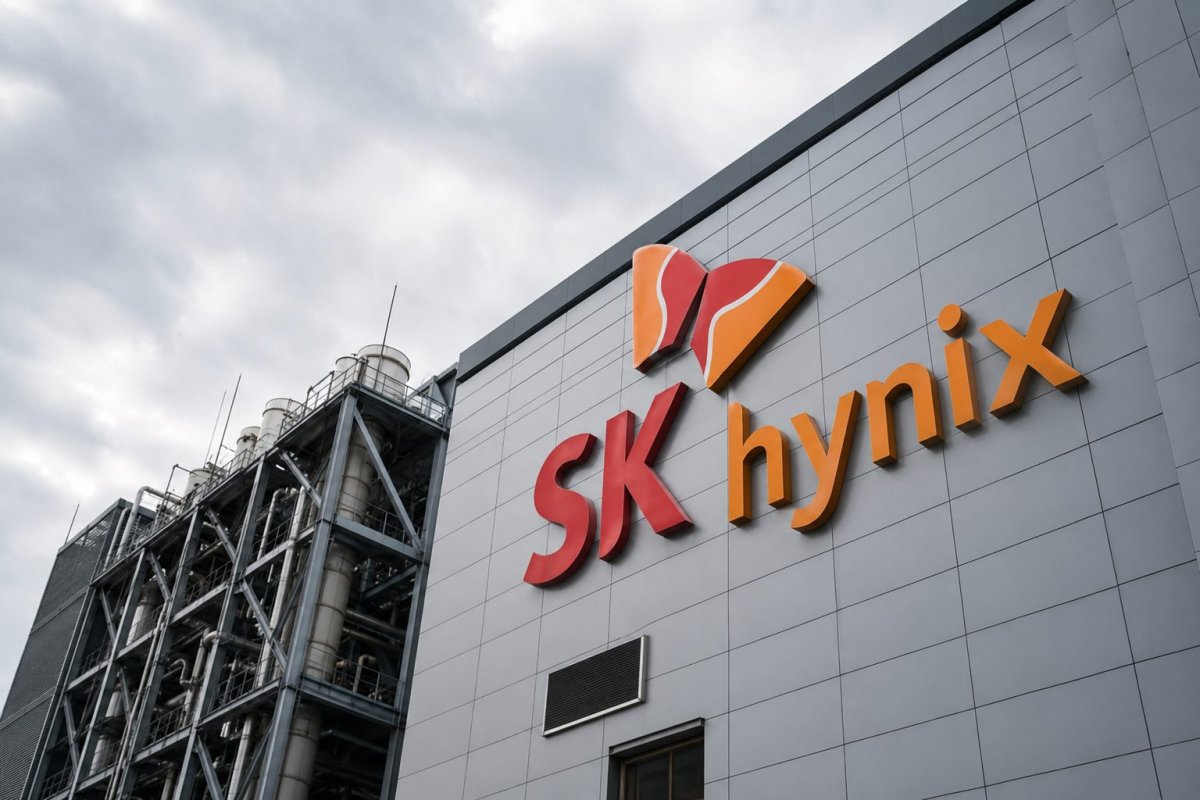
Seoul, South Korea — SK hynix Inc. (KRX:000660) experienced a dramatic single-session decline on Friday, with shares falling 8.36% to close at 2,673,000 won. The drop erased approximately 173.9 trillion won ($120 billion) in equity value, according to data from Google Finance based on 712.70 million outstanding shares. That loss is nearly four times the size of the company's planned 45.45 trillion won American Depositary Receipt (ADR) offering on the Nasdaq, which is set to begin bookbuilding on July 6.
The broader KOSPI index tumbled 5.81% on Friday to 8,411.21, ending the week down 7.1%—its steepest weekly decline since early March. Circuit breakers were triggered for the second time in a week as extreme volatility gripped the market. Foreign investors sold a net 4.6 trillion won, while retail investors stepped in with net purchases of 8.2 trillion won, raising questions about whether that buying will provide a floor or add further risk when markets reopen Monday.
SK hynix's stock traded in a wide range during the week, swinging from 2,919,000 won on Monday to a low of 2,555,000 won on Tuesday before recovering to 2,917,000 won on Thursday and then plunging to 2,673,000 won on Friday. The stock's weekly loss was 3.3%, but the intraday volatility tested risk controls. Friday's trading volume reached 7.47 million shares, 43% above the 65-day average, according to FactSet data cited by the Wall Street Journal.
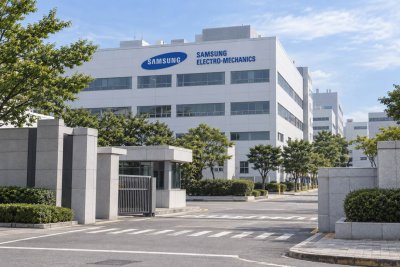
The KOSPI's sharp decline was driven by heavy exposure to semiconductor stocks. Samsung Electronics (KRX:005930) and SK hynix now account for more than half of the index's weight. Samsung shares fell 5.3% on Friday, compounding the pressure from SK hynix's 8.4% slide. The selloff extended beyond South Korea, with Kioxia Holdings (TYO:285A) dropping 12% in Tokyo trading amid concerns about a potential delay in OpenAI's IPO, which triggered a broader selloff in AI-linked names.
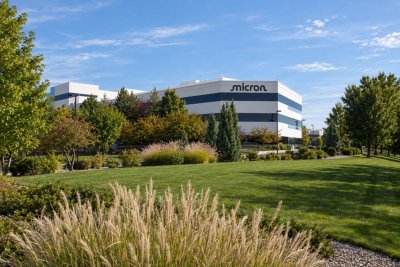
Despite the recent volatility, SK hynix's long-term bull case remains centered on high-bandwidth memory (HBM) for AI applications. The company surpassed Samsung in market capitalization on Monday to become South Korea's largest listed company, with a valuation of 2,080.4 trillion won versus Samsung's 2,066.7 trillion won (excluding preferred shares). SK hynix is expected to hold 61% of the global HBM market in 2025, ahead of Micron Technology (NASDAQ:MU) and Samsung, according to Reuters. "Customized AI memory fundamentally changed the industry's economics," said Kim Sunwoo, senior analyst at Meritz Securities.
The upcoming Nasdaq listing could provide a valuation boost. Ryu Young-ho, senior analyst at NH Investment & Securities, noted that listing on Nasdaq might allow SK hynix to trade alongside Micron and be "re-rated in the U.S. market." Gary Tan, portfolio manager at Allspring Global Investments in Singapore, described the capital raise as implying "only limited dilution" relative to mid-term capex plans. The ADR offering is expected to price on July 9 and begin trading on July 10.
CLSA chief equity strategist Alexander Redman commented on the broader market turbulence, saying "volatility has blown out" and that "retailers are in the driving seat," with leveraged single-stock ETFs and record margin debt adding heat to the market. The KOSPI's circuit breakers, triggered twice in a week, underscore the heightened risk environment.
Looking ahead, investors will watch for Samsung's announcement of its 10-year investment plans in South Korea on Monday, which may include significant chip-factory spending. The outcome of SK hynix's ADR bookbuilding, starting July 6, will be closely monitored as a key catalyst for the stock. The extreme price swings and record retail buying set up a high-stakes Monday open for South Korean markets.