Solid Power (NASDAQ:SLDP) has officially begun commissioning its new continuous electrolyte manufacturing line, known as MOBIUS, at its Thornton, Colorado facility. The company announced on Monday that materials are now flowing into the equipment, marking a significant milestone in its scale-up efforts. Full site acceptance testing remains on track for the end of October.
The MOBIUS line is designed to add 45 metric tonnes of annual electrolyte production capacity, bringing the Thornton site's total to approximately 75 tonnes per year. This represents a 150% increase over the existing 30-tonne baseline, with the new line accounting for roughly 60% of planned capacity. The figures are based on rated capacity, not actual output or shipments.
This expansion is more than just increasing powder output. According to Solid Power's 2025 annual filing, the pilot line serves as a critical step in refining manufacturing processes before commercial-scale expansion. The company must ensure that the material produced meets stringent quality standards and qualifies with customers. Rated capacity, while indicative of potential, does not guarantee commercial success.
Strategic Context and Technology
Solid Power is a leader in sulfide-based solid-state battery technology, replacing conventional liquid or gel electrolytes with a solid material. The company's business model focuses on selling electrolyte materials and licensing its cell designs to manufacturing partners, rather than producing cells itself. This approach allows it to leverage the expertise of established battery manufacturers.
The MOBIUS line is part of a broader, federally supported project. In January 2025, Solid Power entered into an agreement that provides up to $50 million in federal funding, with the company committing a $60 million cost-share. These funds cover the multi-year project, although the specific investment in the MOBIUS line has not been disclosed.
CEO Commentary and Process Advantages
Chief Executive John Van Scoter emphasized the benefits of continuous production, stating that it is designed to deliver "the process control, repeatability, and scale our partners expect." Compared to batch processing, continuous manufacturing offers greater consistency and efficiency, which are critical for automotive-grade battery materials.
However, the company has not yet published production cost per kilogram for the new line, leaving questions about economic viability unanswered. The focus remains on achieving technical milestones and customer qualifications.
Project Milestones and Timeline
Primary powder processing has already passed site acceptance testing, a collaborative effort between Solid Power and the equipment manufacturer. Plant validation and operational startup are scheduled for the fourth quarter of 2026. These steps are essential to transition from commissioning to full-scale production.
The 75-tonne target was outlined in the 2025 annual report, with commissioning expected by year-end. Monday's announcement confirms physical progress toward that goal, rather than a new expansion plan.
Industry Validation and Future Outlook
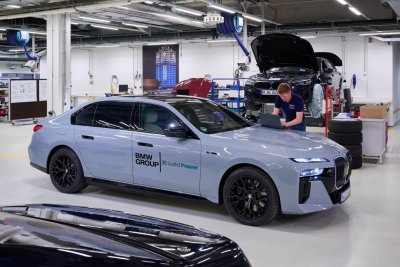
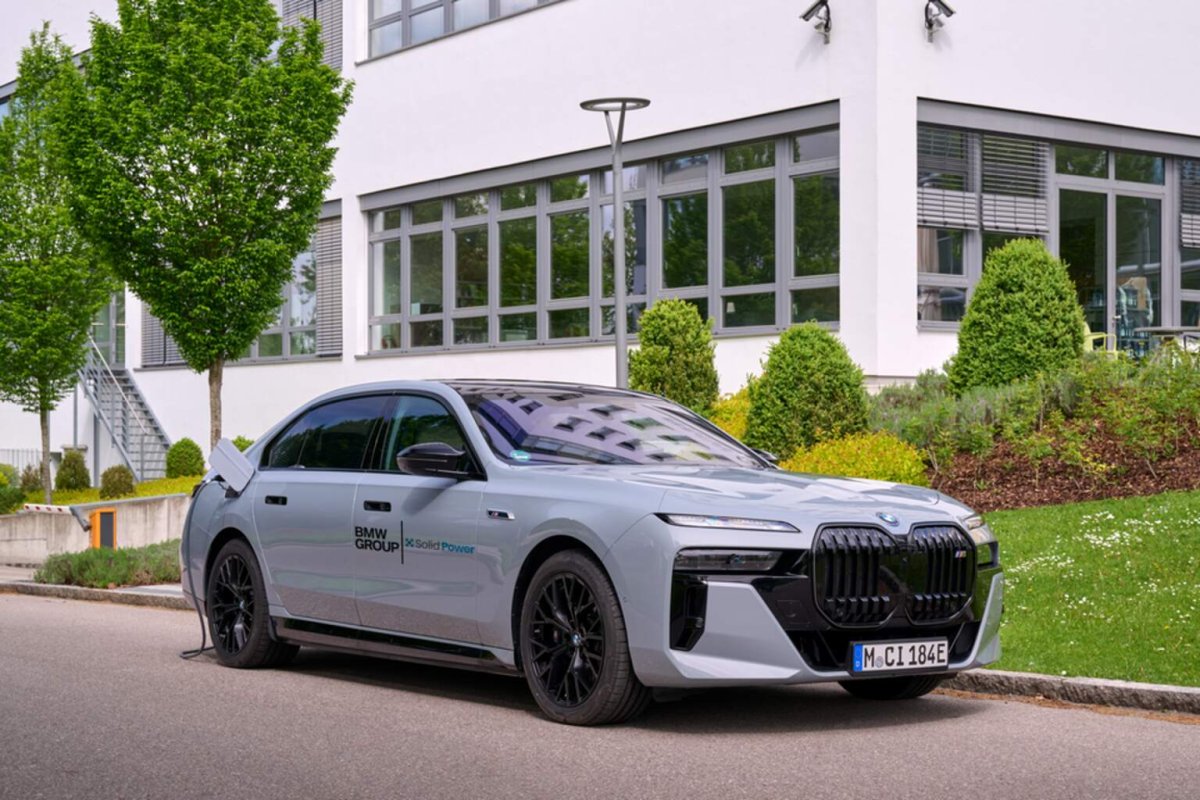
In a related development, BMW reported in May 2025 that it had tested a prototype i7 vehicle equipped with Solid Power's all-solid-state cells. The test focused on cell expansion, operating pressure, and temperature conditions, combining Gen5 construction principles with new module concepts. BMW noted that further development is needed to achieve a competitive overall storage system, underscoring the ongoing engineering challenges.
The Colorado line addresses the upstream challenge of manufacturing the electrolyte, while BMW's tests focus on integrating the cells into vehicle systems. Both are critical for the commercialization of solid-state batteries.
Risks remain: acceptance tests could reveal equipment issues, and customer qualification and manufacturing yield are still unproven. Higher rated capacity does not automatically translate to lower costs or market demand.
Solid Power is scheduled to report its next quarterly results on November 3 at 4:30 p.m. Eastern Time, where investors will likely hear about the completion of acceptance testing and next steps.