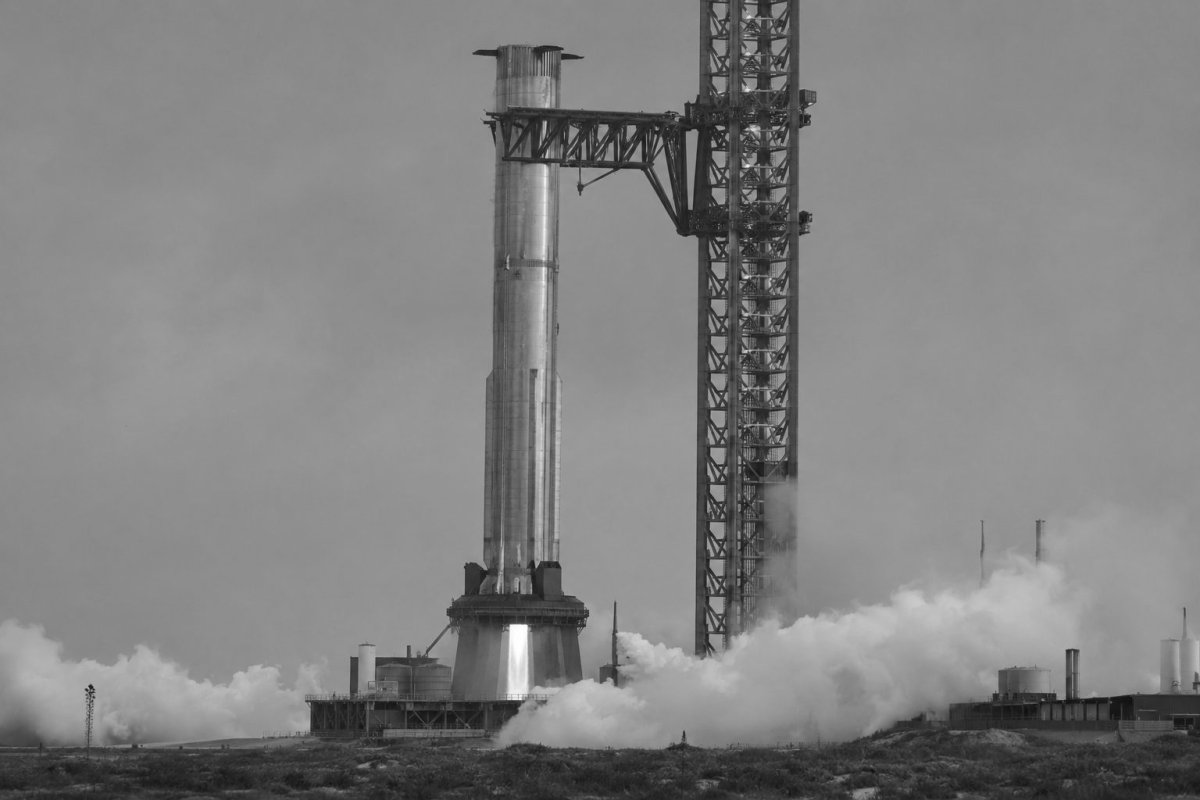
SpaceX (NASDAQ: SPCX) has officially pushed the target launch window for Starship Flight 14 into September, following the successful completion of a full-duration static fire of Booster 21 on August 28. The milestone, which saw all 33 Raptor engines ignite, was a critical step in the vehicle's preparation, but the company has yet to confirm a specific launch date.
The revised schedule transforms what was initially a routine test flight into a high-stakes valuation event for shareholders. Flight 14 is slated to be Starship's first orbital mission, a significant leap from previous suborbital tests. The mission will aim to deploy viable payloads and could attempt the first-ever tower catch of a Starship upper stage, Ship 41, pending regulatory approval.
Flight 14 Milestones and Objectives
According to the Flight 14 tracker, six of 19 milestones have been completed as of early Sunday. Booster 21 has cleared its proof and static-fire campaigns, but several critical steps remain, including Ship 41 testing, vehicle stacking, regulatory notices, and final launch confirmation. The mission's success hinges on these remaining tasks, with no firm launch date yet announced.
The objectives of Flight 14 carry substantial weight for SpaceX's long-term strategy. Starship is designed to be the workhorse for deploying larger Starlink satellites, supporting lunar missions, and enabling orbital computing infrastructure. A successful orbital flight would validate three key economic pillars: payload delivery, vehicle recovery, and launch cadence—all of which are essential for the company's future revenue streams.
Financial and Valuation Context
SpaceX's last verified share price was $141.50 as of 20:15 EDT on August 28, implying an equity value of approximately $1.85 trillion. This valuation is based on the post-offering share count and represents about 59 times annualized second-quarter revenue. The company reported $7.81 billion in Q2 revenue, with Starlink contributing $4.29 billion. Capital spending exceeded $18 billion, and the company ended June with $100 billion in cash and marketable securities.
Analysts remain broadly optimistic but divided on the stock's trajectory. MarketScreener data shows a consensus Buy rating from 35 analysts, with an average price target of $219.22. However, the range spans from $117 to $450, reflecting the wide variance in assumptions about Starship's commercial potential and the pace of regulatory approvals.
Investor Significance and Risks
Flight 14 is a crucial test for SpaceX's ability to transition Starship from a capital-intensive development program into a reusable commercial platform. While a single flight cannot justify the current valuation, it can significantly reduce the perceived risk that Starship remains a perpetual money-loser. The mission's success would provide tangible evidence of progress toward rapid reusability and operational efficiency.
However, substantial risks remain. Ship 41 still needs to complete its testing and integration phase. The Federal Aviation Administration (FAA) must approve both launch and reentry operations, which include assessments of public safety, insurance requirements, and environmental impact. Any delays in these approvals could push the launch further into the fall.
Investors will be watching for the next catalysts: Ship 41's static-fire campaign, vehicle stacking, and the issuance of airspace and maritime notices. SpaceX has not yet announced a firm launch date, but the company's track record suggests that once these milestones are cleared, the launch could occur within a matter of days.
In the broader market context, SpaceX's valuation has been a topic of intense debate since its public listing. The stock has seen significant volatility, with a 319 million-share unlock earlier in August wiping out $103 billion in market value before stabilizing. The outcome of Flight 14 will likely influence near-term sentiment, but long-term investors are focused on the company's ability to execute on its ambitious Starship program.
As September approaches, all eyes will be on Starbase, Texas, where the next chapter in SpaceX's journey is set to unfold.
