Space Exploration Technologies Corp. (NASDAQ: SPCX) closed Friday's trading session at $141.50, marking a modest 0.45% gain. Volume reached 55.1 million shares, reflecting steady investor interest in the newly listed space and AI infrastructure company. The stock now trades 4.8% above its June IPO price of $135.
Q2 Financial Performance: Revenue Surge vs. Capital Intensity
The company reported second-quarter revenue of $7.81 billion, a 92% year-over-year increase. This growth was driven by strong performance across its business segments, particularly its Connectivity unit, which generated $4.29 billion in revenue and $1.66 billion in operating income. Despite this top-line momentum, SpaceX's capital expenditures for the quarter totaled $18.37 billion, equivalent to 2.35 times its quarterly revenue. The heavy spending underscores the company's aggressive expansion strategy, especially in artificial intelligence infrastructure, which accounted for $15.83 billion, or 86% of total capex.
Internal Funding Dynamics
The financial data highlights a deliberate internal funding arrangement. Profits from the Starlink Connectivity business are being channeled to fuel the company's unprofitable Space and AI divisions as these new ventures scale up. This strategy has allowed SpaceX to reduce its net loss to $541 million from $1.01 billion in the prior year period. Adjusted EBITDA climbed to $3.54 billion, representing a healthy 45.3% margin. Nevertheless, the company continues to post negative free cash flow, reflecting the massive outlays required for its ambitious projects.
Balance Sheet Strength and IPO Proceeds
SpaceX's balance sheet provides a significant buffer against its capital-intensive plans. As of June 30, the company held $93.52 billion in cash and equivalents, enough to cover approximately 5.1 quarters of its current capital expenditure run rate. This financial cushion was bolstered by the June IPO, which generated $85.68 billion in net proceeds from the sale of 638.9 million Class A shares at $135 each. Additionally, SpaceX secured $25 billion through notes, bringing total principal debt to $38.43 billion.
Analyst Sentiment and Price Targets
Wall Street remains optimistic about SpaceX's long-term prospects. The average price target among 35 analysts stands at $219.22, implying a potential upside of 54.9% from current levels. Targets range from a bearish $117 to a bullish $450, reflecting the wide divergence of opinions on the company's valuation and growth trajectory.
Operational and Market Risks
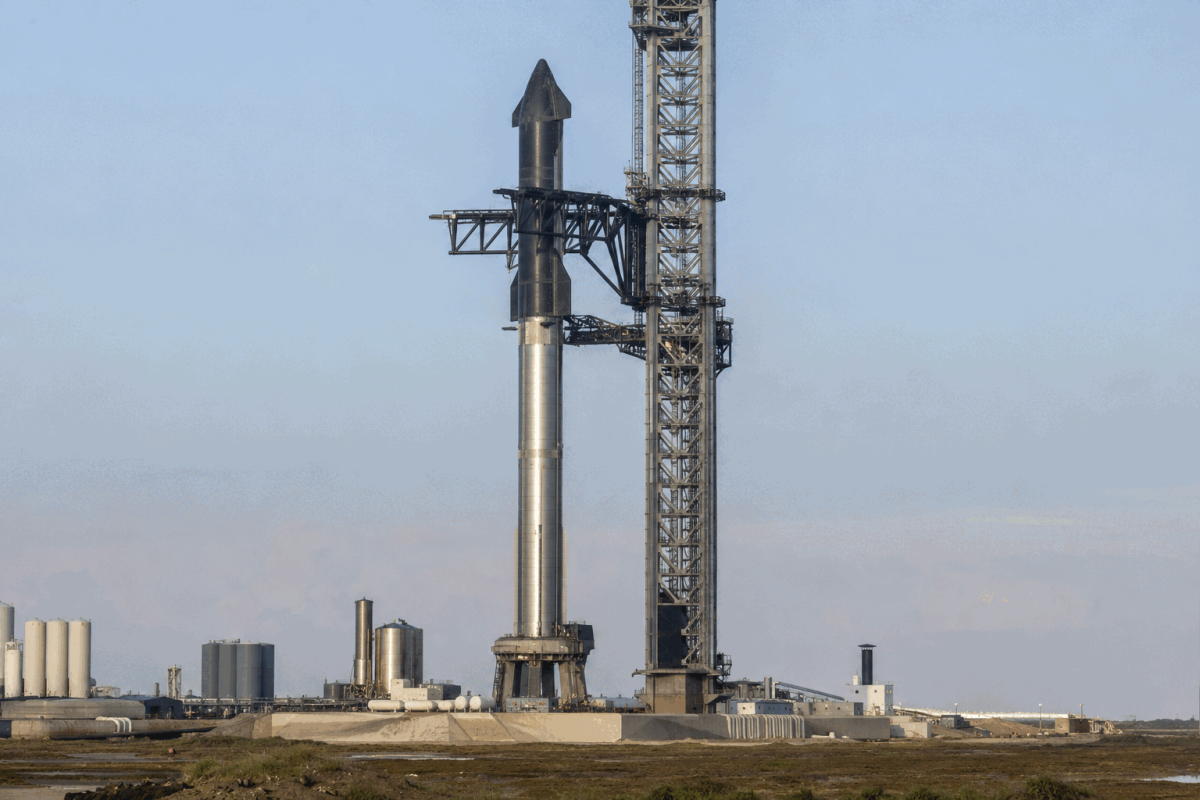
Despite the positive sentiment, several risks loom. OpenAI's announcement that it will cease providing models to Cursor, the coding startup acquired by SpaceX, effective November 12, introduces operational uncertainty. Additionally, the pace of AI demand may not keep up with the scale of infrastructure investment, potentially leading to overcapacity. Delays in Starship development, regulatory actions, rising debt costs, and the dilution from post-IPO share unlocks could also weigh on the stock. The recent release of 319 million shares has already tested liquidity, causing significant price swings.
Investor Benchmark
For investors, the key question is whether SpaceX can convert its massive cash reserve into sustainable value creation before the IPO premium erodes. With the stock trading just 4.8% above its offering price, the market is closely watching for tangible returns on the company's unprecedented capital spending.
