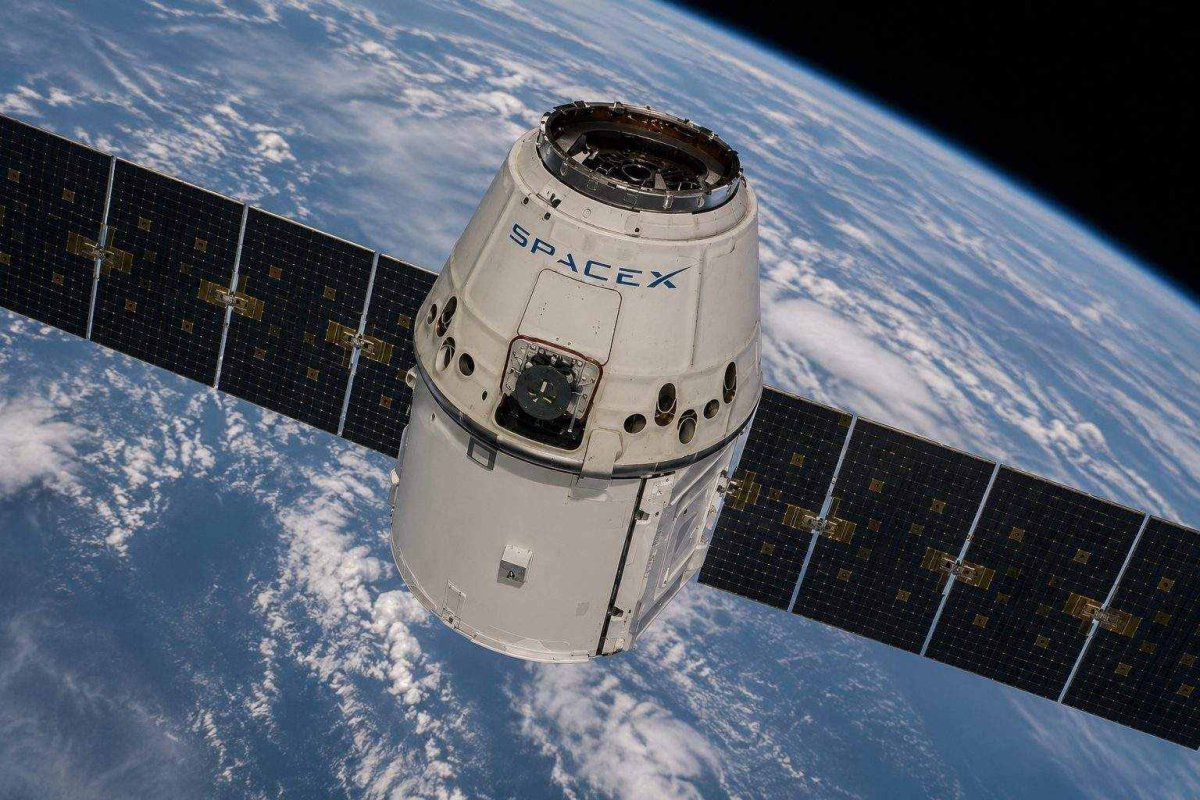
SpaceX (NASDAQ:SPCX) is grappling with the financial implications of its satellite replacement strategy as it disclosed the decommissioning of 609 Starlink satellites in a recent filing with the U.S. Federal Communications Commission. The company retired 260 satellites between December and May, with another 349 already out of service and slated for removal. This churn represents approximately 5.7% of the 10,743 operational satellites tracked by astronomer Jonathan McDowell as of July 5.
The filing, signed by David Goldman, SpaceX's vice president of satellite policy, underscores the significant investment required for the company's conservative approach to satellite disposal. SpaceX favors proactively de-orbiting and replacing satellites rather than allowing them to fail in orbit, a strategy that entails ongoing manufacturing and launch costs. The company noted that maintaining this approach demands substantial capital outlays.
The disclosure comes at a pivotal moment for SpaceX, as its stock is set to join the Nasdaq 100 index on July 7. According to Reuters, JPMorgan Chase (NYSE:JPM) estimates passive inflows of $4.3 billion from index funds tracking the move. However, Morningstar (NASDAQ:MORN) strategist Michael Field told Reuters that the stock appears overvalued at current levels.
SpaceX shares have experienced significant volatility since their market debut. The stock reached an intraday high of $225.64 on June 16 but closed at $153.23 on June 26. According to Reuters, the company reported a $4.9 billion loss last year while carrying a valuation near $2 trillion, approximately 107 times 2025 sales. For context, Nvidia (NASDAQ:NVDA) trades at roughly 21 times sales.
Short sellers have rapidly increased their positions in SpaceX. Ortex data cited by Reuters shows short interest surged to 196 million shares, about 31% of the free float, up from 83 million shares or 13% just days earlier. Ortex co-founder Peter Hillerberg described the increase as "extraordinary" for a stock that has been publicly traded for less than a month.
The FCC filing also detailed the operational burden of the Starlink constellation. Gen 1 satellites conducted 65,137 propulsive maneuvers over six months, averaging about 36 per satellite per year, while Gen 2 satellites performed 142,015 maneuvers, averaging 46 per satellite annually. SpaceX maintains its collision-avoidance threshold at 3e-7, significantly tighter than the industry standard of 1e-4. The company reported six outages in its collision-avoidance system during the period.
Regulatory risks are also emerging. Researchers like Chris Maloney from CIRES have raised concerns that the routine reentry of thousands of satellites could begin to influence the middle atmosphere, potentially adding to environmental scrutiny of large satellite constellations. The filing noted two Gen 1 and two Gen 2 disposal failures between late March and mid-June, all attributed to hardware issues. SpaceX said it identified sensitive components in one Gen 2 failure and removed them from future designs.
With approximately 43 satellites dropping out of orbit each month, the 349 satellites currently awaiting disposal represent about eight months of decommissioning activity, not accounting for new satellites that will eventually need to be retired. This ongoing churn creates a recurring cost burden for SpaceX, even as it reduces orbital debris risk. The company's ability to manage these expenses while maintaining growth will be closely watched by investors as the stock enters major indices.