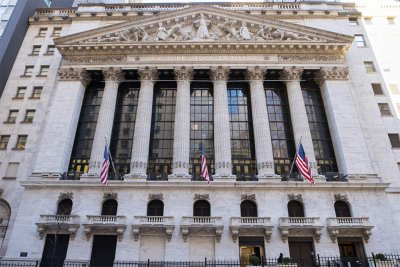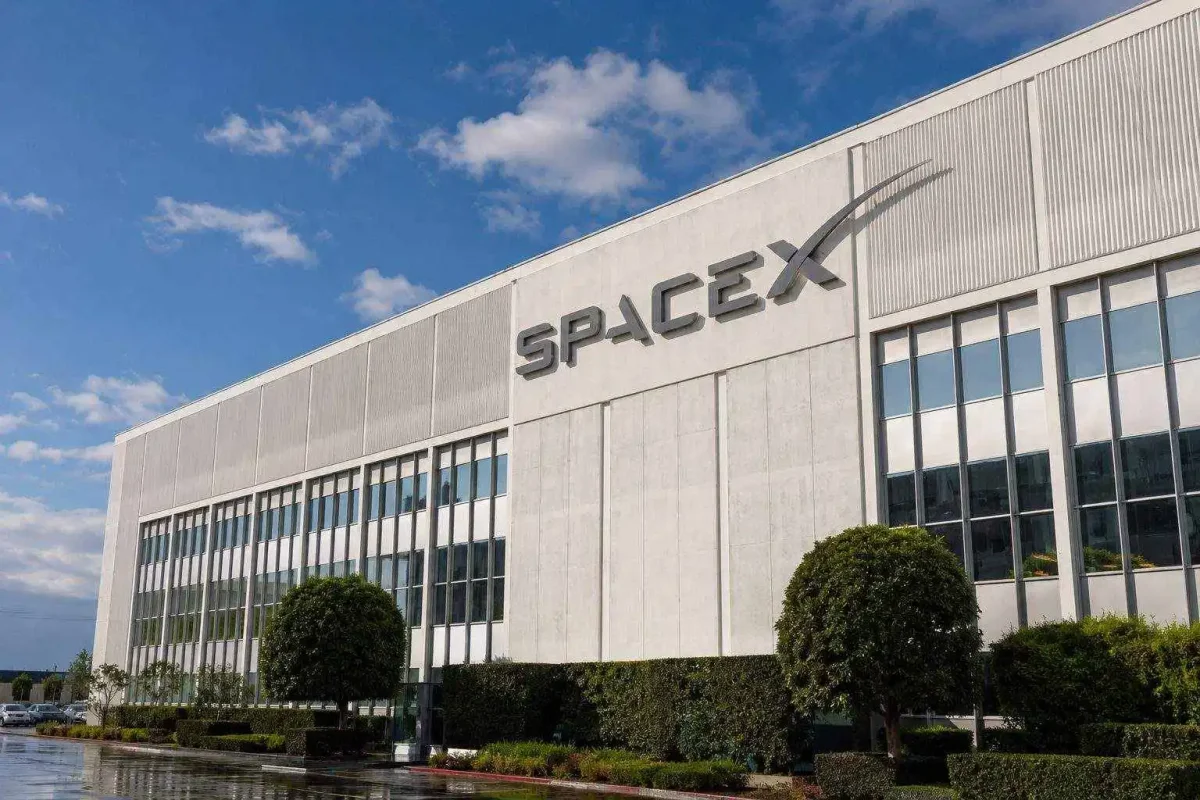
New York, June 18, 2026 – SpaceX (SPCX) experienced its first full trading-day drop since its highly anticipated stock market debut, with shares falling 4.85% to $191.82 in premarket trading on Thursday. The decline comes as the market digests the company's rapid ascent, which had pushed Elon Musk's rocket-and-satellite venture into the upper echelons of Wall Street's most valuable companies.
The stock, which closed at $191.82 ahead of the regular Nasdaq session, remains well above its initial public offering price of $135. However, the pullback signals that investors are beginning to question the lofty valuation, especially given the company's financial fundamentals. SpaceX's IPO raised $75 billion, valuing the company at $1.77 trillion, but its 2025 revenue of $18.67 billion and a net loss of $4.94 billion after merging with xAI have raised eyebrows.
Market Dynamics and Index Flows
Investors are closely watching for potential index inclusion, which could trigger passive fund buying and provide support to the stock. However, the trading calendar is tight due to the Juneteenth holiday on Friday, June 19, when U.S. stock markets will be closed. This leaves Thursday's session as the key opportunity for the market to adjust to SpaceX's post-IPO run before a long break.
The stock's float remains small, which can amplify price swings. While scarcity has driven demand, it also poses risks if more shares become available or if the first earnings report disappoints. Paul Meeks of Freedom Capital Markets told Business Insider that he believes the stock has peaked, citing hype, potential share supply, and weak fundamentals as reasons for a potential larger decline.
Valuation Debate Intensifies
The valuation debate is heating up among analysts. John Belton, portfolio manager at Gabelli Funds, described SpaceX as the "ultimate growth stock" in comments to Reuters, but acknowledged that the shares may take time to settle once public trading begins. On the other hand, Morningstar's Nicolas Owens called the stock "significantly overvalued," setting a fair value of $63 per share, well below both the IPO price and current levels.
Owens noted that the valuation argument could shift if space-based data centers prove superior to terrestrial ones or if Starship achieves rapid reusability. "The market seems to assume that it's already a done deal," he told Business Insider.
Comparisons and Competitive Landscape
SpaceX's market cap now rivals that of Amazon (AMZN) and Microsoft (MSFT), despite generating far less revenue. Its main competitor, Blue Origin, remains a key rival for launch contracts and government deals. However, SpaceX's unique position in the space industry and its Starlink expansion have driven investor enthusiasm.
The company's price-to-sales ratio at the IPO price was already elevated compared to many large-cap tech names. With Starlink accounting for about 60% of 2025's revenue, the company's reliance on satellite internet services adds another layer of complexity to its valuation.
Outlook and Risks
As the stock navigates its first few days of public trading, the market will be watching for signs of stabilization or further volatility. The small float and potential index inclusion could provide near-term support, but the fundamental challenges remain. The next few days will be critical as investors digest the post-IPO momentum and assess whether the current price reflects the company's long-term potential or speculative fervor.