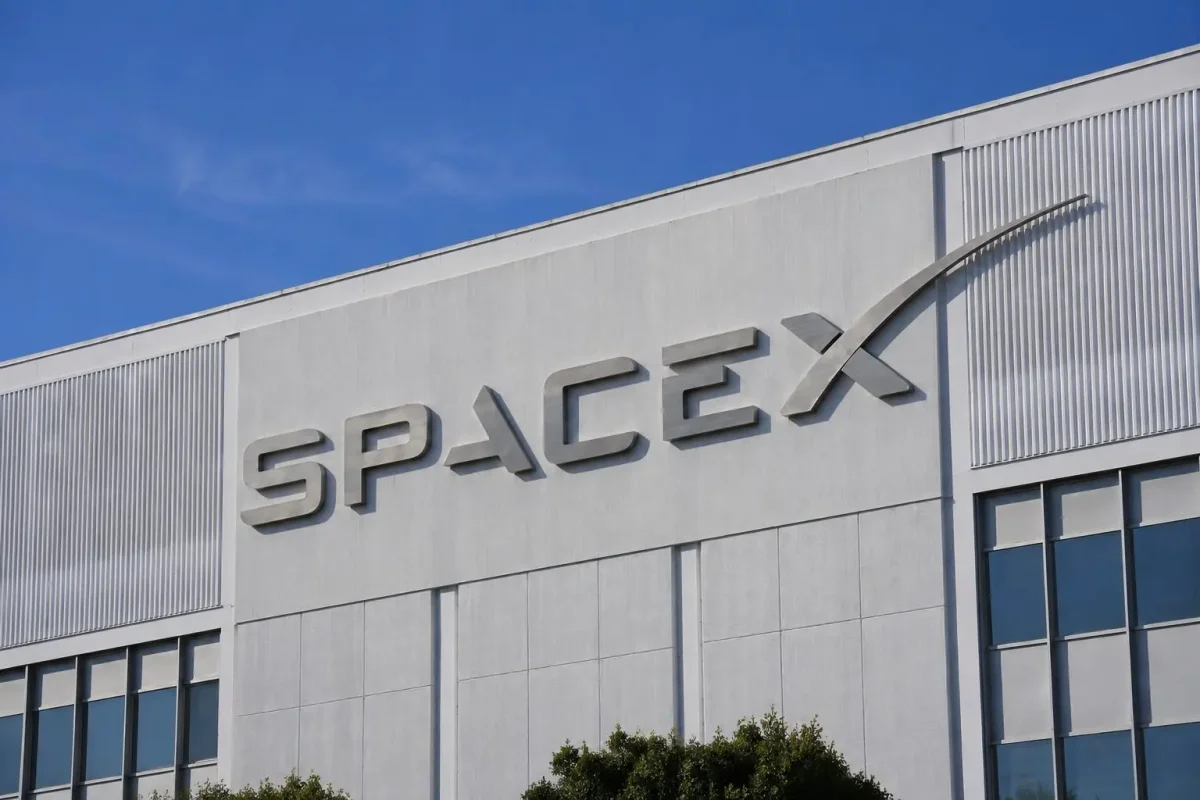
New York, June 23, 2026 – SpaceX (SPCX) faced its most severe market test since its initial public offering, with shares plummeting 16.4% to $154.60 on Monday, erasing approximately $400 billion in market capitalization. The steep decline drove the stock below its first-day closing price, though it remains above the $135 IPO price.
The selloff unfolded ahead of Tuesday's Nasdaq regular session, during the pre-market trading period from 4 a.m. to 9:30 a.m. Eastern. The Juneteenth holiday closure on June 19 did not affect Monday's trading.
Investor focus has shifted from SpaceX's long-term narrative to near-term financial realities. The company is launching a $20 billion offering of senior unsecured notes, according to a regulatory filing, aimed at qualified institutional buyers and certain overseas investors. Proceeds will be used to fully repay a bridge loan facility, replacing short-term funding with longer-term debt.
The bond sale underscores SpaceX's preference for debt over equity financing. "This debt choice over additional equity clearly prioritizes avoiding further shareholder dilution," said Adam Sarhan, chief executive of 50 Park Investments, in comments to Reuters. The move comes as the company reported approximately $100.8 billion in cash and cash equivalents as of June 19, with revenue up 33% to $18.67 billion last year, but still posting a net loss after heavy spending and integration of xAI.
SpaceX's dual-class share structure gives founder Elon Musk about 82.4% voting power after the IPO, a factor that continues to raise governance concerns. Moody's has warned about regulatory, environmental, and governance risks tied to Musk's tight control and the company's ambitious spending plans for Starship, Starlink, and artificial intelligence projects.
Analysts at KeyBanc Capital Markets, led by Michael Leshock, assigned a Sector Weight rating to the stock, calling it neutral. They acknowledged that SpaceX "possesses significant disruptive growth avenues," but noted that much of that potential appears already priced in at current levels. Oppenheimer analysts, led by Timothy Horan, modeled over $400 billion in net debt by 2031, citing the company's massive cash needs for its rocket and satellite programs.
The broader space sector felt the ripple effects. Rocket Lab and Firefly Aerospace both rose on Monday after receiving upgrades, according to Barron's, following a wider selloff that began with SpaceX's market debut. Despite the rebound, downside risks remain as investors watch the bond sale's size and yield, whether SPCX can hold above $135, and if index-driven demand can counter potential volatility from lock-up expirations.
SpaceX's market cap still hovers above $2 trillion, according to Investopedia, even after the sharp decline. The stock finished Monday about 30% below its record high from last week. The coming days will test whether the company's story can sustain investor confidence amid mounting debt and spending pressures.
