SPOKANE VALLEY, Wash. – The city of Spokane Valley has enacted a ban on virtual currency kiosks, following a sharp increase in fraud complaints tied to these machines. The city council voted unanimously on May 5 to approve Ordinance 26-005, which creates a new chapter in the municipal code to prohibit the operation of cryptocurrency ATMs within city limits.
The decision comes amid a nationwide surge in losses from crypto kiosk scams. According to the FBI’s 2025 Internet Crime Report, there were 13,460 complaints related to cryptocurrency ATMs and kiosks, with total losses reaching $389 million—a 58% increase from 2024. Americans over the age of 60 accounted for $257.5 million of that amount, highlighting the vulnerability of older adults to these schemes.
How the Scams Work
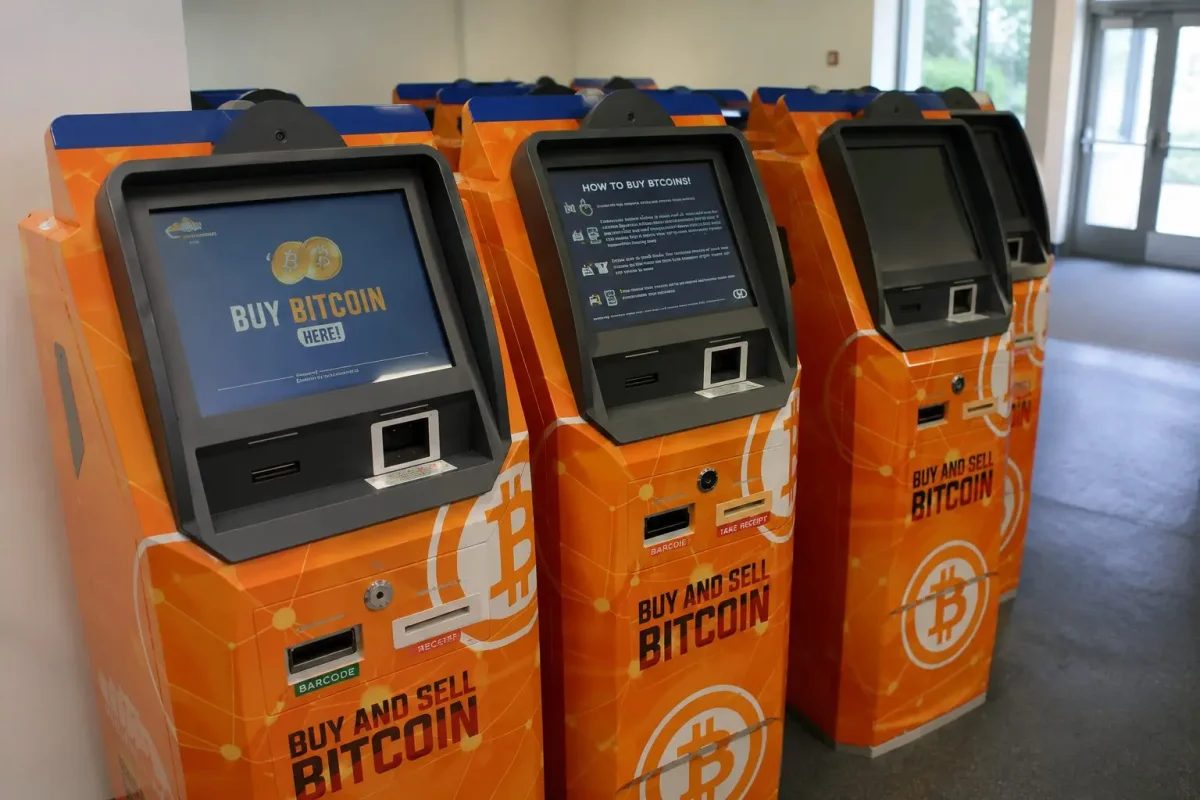
Virtual currency kiosks allow users to insert cash and transfer digital currency, most often bitcoin, to another person’s wallet. Police emphasize the speed and irreversibility of these transactions. Once the cryptocurrency is sent, tracing the funds is extremely difficult, and recovering the money is rarely possible.
Spokane Valley Police Chief Dave Ellis described the kiosks as “a tool to facilitate scams” during his remarks to the city council. Detective Elijah Jones noted that scammers often pose as officials, claiming the victim missed jury duty or has an outstanding warrant, then pressure them to pay thousands of dollars via a kiosk. “We can’t go to the ATM and get it back,” Jones said.
Enforcement and Penalties
Businesses operating these kiosks now have 30 days to remove them or face a $250 fine per violation. The city also has the authority to revoke the business license of any operator that fails to comply, according to the Spokesman-Review.
Regulators in Washington state, along with the U.S. Treasury’s Financial Crimes Enforcement Network (FinCEN), have flagged crypto kiosks as a tool in various scams, including tech-support and bank-imposter fraud, which often target older adults. Washington’s Department of Financial Institutions has instructed kiosk operators to clearly warn users that sending money to a scammer may result in unrecoverable losses.
National Trend
Spokane Valley is not alone in taking action. On the same day, Minnesota Governor Tim Walz signed legislation that will ban virtual currency kiosks statewide starting August 1, 2026, with operators required to remove all public kiosks by December 31, 2026. The law also outlines procedures for customers to claim certain leftover funds.
Minnesota officials pointed out that existing regulations failed to prevent such losses. The state Department of Commerce logged 120 complaints about virtual-currency kiosks between 2023 and 2025, with reported losses approaching $1 million. “There is no such thing as a safe crypto kiosk in Minnesota,” said Sara Payne, assistant commerce commissioner.
Industry Response
The market is dominated by a handful of operators, including Bitcoin Depot, CoinFlip, and Athena Bitcoin, each of which has faced scrutiny or legal trouble in certain areas. Indiana and Tennessee have also taken steps this year to ban or heavily restrict virtual currency kiosks, tightening the screws on a sector that expanded by placing machines in gas stations, convenience stores, and other retail locations.
CoinFlip’s general counsel Larry Lipka pushed back before Minnesota legislators, insisting that kiosk operators are not to blame. “It’s the scammers,” he told CBS Minnesota. However, critics argue that the machines facilitate fraud by providing an instant, untraceable payment channel.
The bans come with their own set of challenges. Fraud could simply migrate to other payment methods, and legitimate users of crypto kiosks may find themselves cut off from cash-based access to digital currencies. Nevertheless, for now, Spokane Valley and Minnesota are leading the charge to close what they see as a dangerous loophole in the financial system.